
 Oct 04, 2024
 1 min
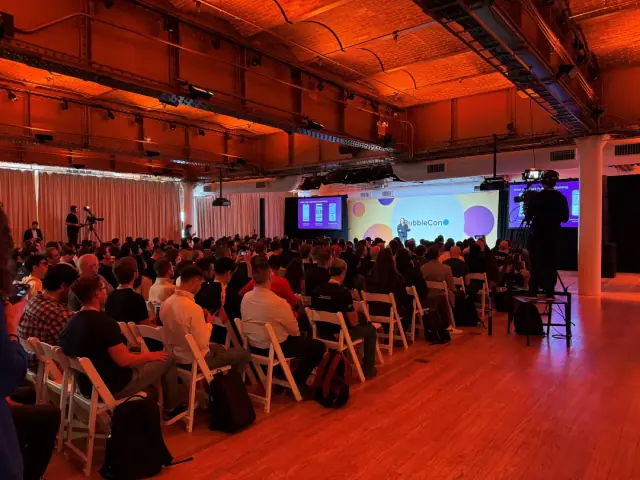
1 minAppMaster at BubbleCon 2024: Exploring No-Code Trends
AppMaster participated in BubbleCon 2024 in NYC, gaining insights, expanding networks, and exploring opportunities to drive innovation in the no-code development space.

Microsoft continues its progression in the AI domain, launching the release candidate of the Semantic Kernel .NET SDK.
In a significant step forward in the intersection of artificial intelligence (AI) and programming languages, Microsoft has rolled out the release candidate (RC) version of its open-source Semantic Kernel .NET SDK. This innovative kit empowers developers to blend complex language models with established programming languages including C#, Python, and Java.
On December 5, Microsoft made the notable announcement and by December 7, the Semantic Kernel had progressed to the third RC level. Heading close to the final 1.0.0.0 structure, this presents an advanced version of Microsoft's previously released product. Aligning with industry standards, numerous processes have been simplified within the interface. This includes convenient renaming of numerous interfaces and classes for greater congruity within the sector.
Additionally, Microsoft has shifted the previously complex, multi-step process of automated function calling with OpenAI to a completely automated mechanism. By doing so, the goal was to make the SDK conducive to both new and existing users. Using existing .NET implementations, the custom classes have been upgraded, thus improving the usability of the platform.
Further enhancing its value and ease of use, the kernel now takes on the role of a 'property bag' for the entire AI application. This means that all elements of the application - incorporating multiple AI programs, services, plugins, as well as essentials such as HTTP handlers and logging services - can be added to the kernel. This sophisticated system allows all Semantic Kernel elements to use these application components for performing AI requests.
This innovative kernel development allows for dependency injection into Semantic Kernel to create the kernel where developers use a single YAML file as a blueprint for all the essentials for a prompt function - previously referred to as semantic functions.
Platforms like AppMaster offer parallel strengths in simplifying the creation of web and mobile apps as Microsoft does for AI systems. Utilized by 60,000 users and repeatedly recognized as a top-rated no-code platform, AppMaster empowers users to collaborate, design, and deploy backend, mobile, and web applications - all from a single locale.
 Oct 04, 20241 min
 Sep 23, 20241 min
 Aug 08, 20241 min
Experiment with AppMaster with free plan.
When you will be ready you can choose the proper subscription.


