
 Oct 04, 2024
 1 min
1 minAppMaster at BubbleCon 2024: Exploring No-Code Trends
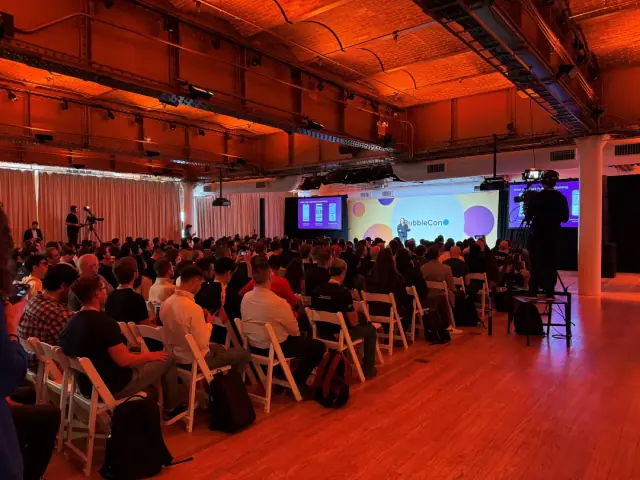
AppMaster participated in BubbleCon 2024 in NYC, gaining insights, expanding networks, and exploring opportunities to drive innovation in the no-code development space.

IFTTT has announced Google Assistant's upcoming update will disable its current integrations, requiring manual reactivation of apps and the loss of certain features. IFTTT has shared instructions on activating the new system, with some functionalities now limited or absent.

Automation platform IFTTT has notified Google Assistant users that its existing integration with the voice assistant will cease functioning at the end of the month due to Google's upcoming updates. Users will need to manually update and reconnect their apps to IFTTT, while some features will be removed entirely, at least temporarily.
IFTTT, an acronym for If This Then That, has facilitated automated routines and app integration with Google Assistant for several years. The platform has developed numerous workflows and triggers to streamline interactions and control smart home devices. However, these features will become obsolete on August 31. Although IFTTT has already created a new version of its Google Assistant services, users will have to manually activate them as there is no automatic switch to the new system following the updates.
In addition to the new setup, some of the features are now more complex to activate, while others will become unavailable. For example, custom commands resembling native Google Assistant controls will now require an additional trigger. IFTTT's example showcases a change from OK Google, Blink the Lights to OK Google, activate Blink the Lights. The authentication method available on IFTTT's website or mobile apps will be restricted to mobile devices and must be activated via the Works with Google section of the Google Home App.
A few features will disappear entirely, for which IFTTT apologized to developers. In its announcement, the company provided details on recreating the available features and even explained how to replicate the lostIFTTT capabilities using Alexa or other voice assistants.
IFTTT stated, Unfortunately, custom Google Assistant responses to the trigger phrases that have been set up by users through IFTTT are no longer supported. Existing Google Assistant triggers that allow for variable input (example: Say a phrase with a number) will no longer be supported. The company also expressed its regret for any inconvenience caused by the upcoming changes.
Google hasn't explicitly mentioned the rationale for implementing an update that impacts IFTTT in this manner. However, IFTTT's statement suggests that Made by Google may be responsible. IFTTT played a crucial role in assisting users with the installation and adoption of smart home devices, which Google has increasingly integrated directly in recent years. Consequently, IFTTT's challenges may be an unintended consequence of Google's plans.
Developers have expressed annoyance, frustration and even suspicion that undermining IFTTT may have been the update's primary goal. Many developers are blaming Made by Google for the issue, as demonstrated by Google Assistant Google Developer Expert (GDE) and Two Voice Devs podcast co-host Allen Firstenburg.
Despite the obstacles posed by Google Assistant's updates, application development continues to evolve with the emergence of platforms like AppMaster. The no-code platform offers a visual approach to creating backend, web, and mobile applications, enabling users to design data models, business logic, and API endpoints. With solutions such as AppMaster, businesses can streamline their custom software development processes and make them more cost-effective.
 Oct 04, 20241 min
 Sep 23, 20241 min
 Aug 08, 20241 min
Experiment with AppMaster with free plan.
When you will be ready you can choose the proper subscription.


