
 Oct 04, 2024
 1 min
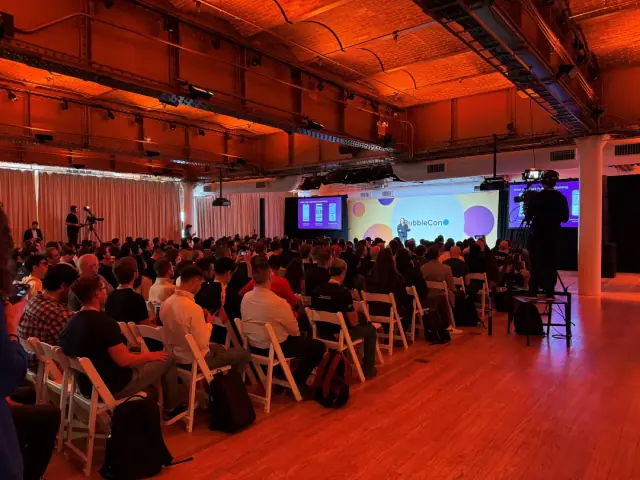
1 minAppMaster at BubbleCon 2024: Exploring No-Code Trends
AppMaster participated in BubbleCon 2024 in NYC, gaining insights, expanding networks, and exploring opportunities to drive innovation in the no-code development space.

Microsoft is set to remove its built-in Microsoft Teams client from Windows 11 and replace it with the more flexible, free standalone version. The move comes amidst Microsoft's ongoing shift to focus on AI integration and new projects for Windows.

Microsoft has announced plans to retire the embedded Microsoft Teams client in Windows 11, almost two years after its initial debut. As part of the Windows 11 test build update this week, the built-in Chat functionality will be replaced by the standalone, free version of Microsoft Teams, which is also compatible with Windows 10.
Brandon LeBlanc, Senior Program Manager at Microsoft, posted in a blog update that “Chat is now Microsoft Teams – Free”. This free version of Microsoft Teams will be pinned to the taskbar by default, though users will have the option to unpin the app, similar to other taskbar applications.
The original Microsoft Teams integration in Windows 11, dubbed Chat, was deeply integrated with the operating system. Enabled by default, the Chat app was pinned to the taskbar, making it difficult to remove without diving into system settings. Aimed at consumers, the app allowed users to connect and communicate with friends and family. However, its functionality was limited to personal contacts only, rendering it ineffective for the majority of business users employing the professional version of Teams.
Despite continuous updates and new features, including enhanced video calling and Discord-like communities, the integrated Chat functionality will be phased out. It should be noted that the built-in Chat app was based on the Microsoft Teams 2.0 client, which now serves as the foundation for the latest version of Microsoft Teams that many businesses are currently adopting.
Microsoft's decision to remove the built-in Teams client from Windows 11 follows the recent news of Microsoft ending support for Cortana, its digital assistant, on Windows 11 later this year. As the company enters a new financial year, Microsoft is seemingly directing its focus towards new projects such as AI-powered Windows Copilot tool. At CES earlier this year, Windows Chief Panos Panay indicated the significance of AI in the future of Windows, stating that it would reinvent how you do everything on Windows.
The transition of Microsoft Teams to a standalone app comes just months after a reported agreement by Microsoft to cease bundling Teams with the Office software suite. According to a Financial Times report, the removal helps to appease EU regulators and avoid a potential antitrust probe. Microsoft's rival, Slack, had filed a complaint in 2020 pertaining to Microsoft's bundling practices.
No-code solutions, such as the AppMaster platform, continue to thrive amidst these developments, enabling users to create powerful backend systems and applications without needing to learn complex coding language. Microsoft's shift in focus towards enhancing stand-alone apps demonstrates the continually evolving nature of software development and the importance of agility and adaptability in the tech industry.
 Oct 04, 20241 min
 Sep 23, 20241 min
 Aug 08, 20241 min
Experiment with AppMaster with free plan.
When you will be ready you can choose the proper subscription.


