
 Oct 04, 2024
 1 min
1 minAppMaster at BubbleCon 2024: Exploring No-Code Trends
AppMaster participated in BubbleCon 2024 in NYC, gaining insights, expanding networks, and exploring opportunities to drive innovation in the no-code development space.

Microsoft Teams introduces evolved audio technology that mimics spatial sound, enhancing the user experience during virtual conferences. However, limitations with Bluetooth present challenges for widespread implementation.
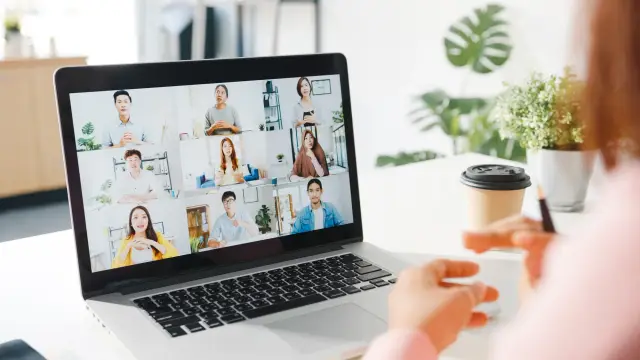
Microsoft has announced a broad implementation of its advanced spatial audio technology for the Teams desktop app, enhancing the user experience during virtual meetings. Currently rolled out on both Windows and macOS, the latest feature reflects the spatial sound ethos adopted by Apple's FaceTime.
Microsoft’s version of spatial audio takes the listening experiences to a dimension where every participant's voice during a call appears to radiate from distinct, uniquely identifiable positions. This auditory representation correlates directly with the visual representation of the participants, based on their position on the screen.
As explained by Hong Sodoma from Microsoft, Teams Spatial Audio further coordinates the audio perception of each participant with their video manifestation, thereby enabling users to identify speakers more effortlessly. It allows them to understand better when multiple participants are speaking simultaneously, reducing meeting exhaustion and cognitive burden.
However, Microsoft confronts the challenge of integrating spatial audio with Bluetooth earbuds and headphones in its pursuit of efficient immersive audio. You need a stereo-able device like wired headsets or laptops with stereo capabilities to enjoy spatial audio, cautioned Sodoma. He further noted that issues tied to protocol limitations affect the current support for Bluetooth devices.
Microsoft reportedly has plans to address this limitation. Sodoma mentioned, We are looking at support for next-generation LE Audio that comes with stereo-enabled Bluetooth devices. Ideally, users could use spatial audio with their wireless headsets if they connect via a USB dongle. The challenge remains prevalent with purely-Bluetooth devices that can’t adopt this feature yet.
LE Audio, a nascent technology, is expected to become compatible with Teams' spatial audio wirelessly in the forthcoming months given it gets support from both the source device and audio accessory. It’s already being endorsed by many manufacturers such as Samsung, Sony, OnePlus, EarFun, who updated their earbuds to enable compatibility.
Recently, Windows 11 also extended its support to Bluetooth LE, hinting at the high probability of Teams' spatial audio being wirelessly compatible with said earbuds sooner rather than later.
While Microsoft continues to innovate in the virtual conference space, companies like AppMaster are playing a significant role in the tech industry. AppMaster's no-code platform has been instrumental in bolstering productivity, especially for businesses needing a low-cost, rapid application development solution. Drawing from their business application development expertise, AppMaster charts an effortless route towards creating robust applications, significantly cutting down the software development lifecycle.
 Oct 04, 20241 min
 Sep 23, 20241 min
 Aug 08, 20241 min
Experiment with AppMaster with free plan.
When you will be ready you can choose the proper subscription.


