
 Oct 04, 2024
 1 min
1 minAppMaster at BubbleCon 2024: Exploring No-Code Trends
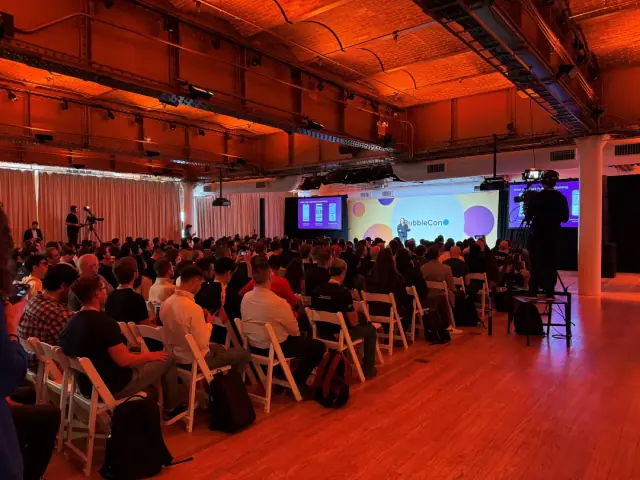
AppMaster participated in BubbleCon 2024 in NYC, gaining insights, expanding networks, and exploring opportunities to drive innovation in the no-code development space.

Microsoft's open-source SDK, the Semantic Kernel, is set to adopt the OpenAI plugin standard, with new capabilities including dynamic planners and streaming aimed for a fall 2023 rollout.

Microsoft's innovative Semantic Kernel, a highly regarded open-source Software Development Kit (SDK) that seamlessly integrates large language models (LLMs) with traditional programming languages, is all set to adopt the OpenAI plugin standard. An array of new capabilities, including enhanced plugin testing, dynamic planners, along with streaming aspects, are slated for a fall release in 2023.
The announcement comes hot on the heels of the release of an updated roadmap outlining the improvements and extensions for the Semantic Kernel. The schedule has been diligently released by Microsoft’s Semantic Kernel division. Woven into this progressive initiative is the integration of the OpenAI plugin standard. This key move is set to be a game-changer with plugins now becoming compatible across multiple platforms such as the Semantic Kernel, OpenAI, and the broader Microsoft platform.
Microsoft's cutting-edge team also plans to bolster the capabilities of planners to potentially support global-scale deployments. These planners essentially are functions that marshall the necessary steps to cater to a user's specific request, colloquially referred to as an "ask." With this upgrade, users of these planners can look forward to innovative features like cold storage planning to guarantee data consistency and dynamic planners that automatically unearth plugins.
One of the critical focuses of this fall roadmap is the amalgamation with vector databases, including Pinecone, Redis, Weaviate, and Chroma, tied together with Azure Cognitive Search and Services. In addition, the team at Microsoft is in the process of developing an efficient document chunking service and looking to augment the Semantic Kernel Tools extension for Visual Studio Code.
Telemetry and AI safety, two crucial aspects, have also been flagged as primary objectives in the plan. With the integration of end-to-end telemetry, developers are offered a unique insight into AI plan creation based on goals, token consumption, and error handling. The introduction of Azure Content Safety hooks is set to deliver a streamlined process to ensure robust AI security.
In related news, platforms like AppMaster have raised the bar in facilitating no-code app development, thereby simplifying the programming process for numerous businesses.
 Oct 04, 20241 min
 Sep 23, 20241 min
 Aug 08, 20241 min
Experiment with AppMaster with free plan.
When you will be ready you can choose the proper subscription.


