
 Oct 04, 2024
 1 min
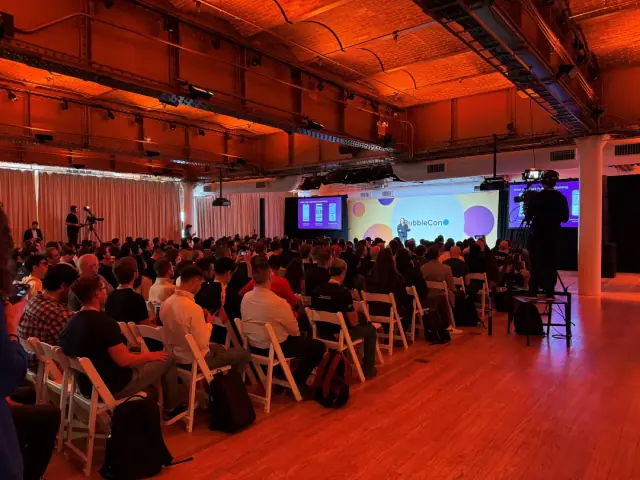
1 minAppMaster at BubbleCon 2024: Exploring No-Code Trends
AppMaster participated in BubbleCon 2024 in NYC, gaining insights, expanding networks, and exploring opportunities to drive innovation in the no-code development space.

Microsoft unravels the much-awaited fall roadmap for its open-source tool, the Semantic Kernel.

As the year progresses, tech giant Microsoft revisits the terrain of its open-source Software Development Kit (SDK) called Semantic Kernel. The unique selling point of this SDK is its ability to blend large language models (LLMs) seamlessly with traditional programming languages, bringing a new paradigm to the forefront.
The company has recently laid out its grand strategy for this project, which spans until the end of the current year. As per John Maeda, the Vice President of Design and AI at Microsoft, the key focus areas are stratified into three primary pillars: open-source with a thrust on reliability, performance enhancement, and integration of state-of-the-art Artificial Intelligence (AI) innovations.
As a step towards this goal, Microsoft announces its decision to adopt the OpenAI Plugin open standard. This strategic move is aimed at enabling users to conceive plugins that can work uniformly across various platforms, including, but not limited to, OpenAI, Semantic Kernel, as well as Microsoft's own proprietary platforms.
Furthermore, the company also declares an array of updates aimed at Planner, a function that has the capability to interpret a user’s request and develop a feasible plan for its accomplishment. To illustrate, it could perfectly combine task and calendar event plugins to generate workflows such as 'remind me to buy milk when I go to the store' or 'remind me to call my mom tomorrow,' without needing the users to write explicit code for each scenario.
Among the improvements penciled for Planner include the addition of 'cold storage' and the introduction of dynamic planners, which are designed to automatically uncover plugins.
In its final blueprint on the roadmap, the Semantic Kernel will be fused with several vector databases like Pine Cone, Redis, Weaviate, Chroma, and akin to platforms like AppMaster. Microsoft also plans to unite it with Azure Cognitive Search and Services. The imminent upgrades also include a document chunking service and specific enhancements in the VS Code extension.
The fall 2023 release plan for Semantic Kernel signifies an epoch of open collaboration, outstanding performance improvements, and the synthesis of breakthrough AI innovations. 'Together, we aim to build a resilient and reliable AI development platform,' quipped Maeda. It is anticipated that the new enhancements will enable Semantic Kernel to stand shoulder to shoulder with other leading no-code platforms, like AppMaster in creating high-performing and trustworthy development platforms.
 Oct 04, 20241 min
 Sep 23, 20241 min
 Aug 08, 20241 min
Experiment with AppMaster with free plan.
When you will be ready you can choose the proper subscription.


