
 Oct 04, 2024
 1 min
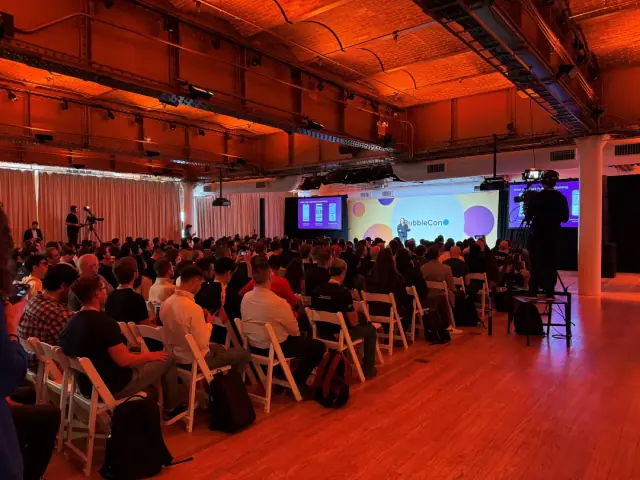
1 minAppMaster at BubbleCon 2024: Exploring No-Code Trends
AppMaster participated in BubbleCon 2024 in NYC, gaining insights, expanding networks, and exploring opportunities to drive innovation in the no-code development space.

With the aim to facilitate optimal communication in a polyglot world, Meta brings forth SeamlessM4T.

Striving to expediency in our multilingual global society, tech powerhouse Meta has paved the way in revolutionising the process of language translations. The company has announced its latest brainchild, SeamlessM4T, a groundbreaking multilingual and multitasking model. This innovative model is poised to deliver a more harmonised means of translations, spanning across multiple languages and incorporating both text and speech.
Navigating through our globally intertwined society, made possible through the widespread usage of the internet, mobile technology, social media, and diverse communication platforms, the accessibility of content in various languages has seen an exponential increase. In such an interconnected setting, the ability to communicate and comprehend information in any language becomes crucial. Whilst the ability to achieve such a feat was formerly a concept solely embraced in science fiction, today, AI is pushing the boundaries and transforming such visions into a technical reality, was Meta's standpoint, expressed in a recent blog post.
With SeamlessM4T at the helm of innovation, Meta has offered support in automatic speech recognition, bridging translations from speech-to-text, and text-to-text in nearly 100 languages. Furthermore, the platform has also dabbled in translating speech-to-speech and text-to-speech translations, covering almost 100 input languages and 35 output languages.
In the spirit of collaborative research advancement, the project was published under the licence CC BY-NC 4.0, granting researchers the opportunity to build upon its foundation.
Piggybacking on the launch of SeamlessM4T, Meta has also publicised SeamlessAlign, a data-set for multimodal translation that encompasses a staggering 270,000 hours of speech and text alignments.
In the words of Meta, it's been observed that existing speech-to-speech and speech-to-text programs merely scratch the surface in accommodating the world's plethora of languages. The introduction of this novel project heralds a substantial shift towards catering to an expanded pool of languages.
This progressive shift is the latest milestone in Meta's ongoing efforts in the domain, following previous groundbreaking initiatives such as No Language Left Behind, Universal Speech Translator, SpeechMatrix, and Massively Multilingual Speech.
As expected of a responsible tech giant, Meta shared insight into the diligent steps taken to ensure responsible development of the model in accordance with its five pillars within Responsible AI. Efforts like toxicity and bias research, and gender bias evaluation of the model are incorporated for in-depth understanding and mitigation of possible sensitivities within the model.
Our commitment to reinforcing safety and security is relentless. We persistently strive to enhance research and implement measures to continually refine SeamlessM4T while striving to minimise occurrences of toxicity witnessed in the model, voiced Meta.
As the no-code and low-code platforms thrive, seamlessly and efficiently breaking the language barriers is a significant step. From AppMaster to other platforms, the emphasis on multi-lingual support is a growing trend only expected to burgeon.
 Oct 04, 20241 min
 Sep 23, 20241 min
 Aug 08, 20241 min
Experiment with AppMaster with free plan.
When you will be ready you can choose the proper subscription.


