
 Oct 04, 2024
 1 min
1 minAppMaster at BubbleCon 2024: Exploring No-Code Trends
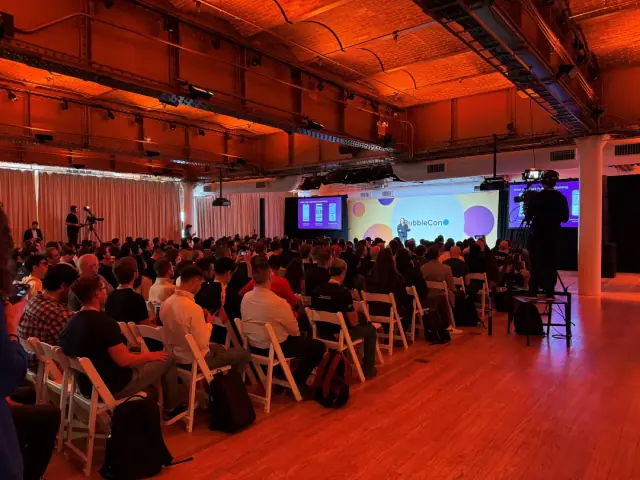
AppMaster participated in BubbleCon 2024 in NYC, gaining insights, expanding networks, and exploring opportunities to drive innovation in the no-code development space.

A deep look into the impact of AppGyver's acquisition by SAP on the no-code app development landscape and how it benefits SAP's business technology platform and customers.

AppGyver, a Helsinki-based no-code pioneer, was recently acquired by SAP, sparking interest in how no-code development will transform the landscape of SAP. Founded in 2010, AppGyver enables anybody to create online applications, even if they have no coding skills. In this article, we discuss what inspired this acquisition and provide insights into SAP's plans for integrating no-code development into its landscape.
No-code development applications are gaining popularity as they empower start-ups and established companies to quickly adapt their workflows and information sharing methods. This echoes a former trend in website design, where templates, plugins, and widgets became widely available, expediting the design process and making it accessible to non-specialists. Platforms like AppGyver democratize design and help pave the way for new application programmers who might not have considered learning to code.
AppGyver's modular approach to app design hinges on a visual, intuitive process that aligns more closely with end-users' experiences. Users can create interface and functionality simultaneously, and the app can be developed with the end user in mind from the very beginning.
It's easy to see why SAP finds this approach valuable. There is an ongoing debate between standardization and customization advocates when it comes to SAP systems. Integrating low-code and no-code strategies like AppGyver into SAP's landscape aims to strike a balance between these views. While SAP has previously introduced low-code solutions, AppGyver's acquisition marks the first instance of a no-code strategy in application design being integrated into SAP.
According to Michael Weingartner, president of SAP Business Technology Platform Core, AppGyver serves to expand SAP's no-code capabilities and establish a comprehensive offering in this area. He also commented that, by adding AppGyver's solutions, SAP aims to deliver a full range of simple, integrated application development tools that can enhance process automation and further improve the user experience for those utilizing SAP applications.
With these new acquisitions, companies like AppMaster.io have found success centralizing various no-code tools—such as business logic features, REST APIs, and WSS Endpoints—under one platform.
Post-acquisition, AppGyver will integrate with SAP Business Technology Platform, offered as part of the new Rise with SAP package. However, this functionality may extend to other areas within SAP to accommodate customers in need of simple extensions and predefined limits.
One of the primary benefits of partnering with SAP is that the AppGyver platform will advance more quickly. Integrations between AppGyver and SAP products will open new doors for AppGyver's enterprise customers and enable them to reach a broader audience by creating applications that fit within a global no-coding standard.
As SAP moves forward with AppGyver, they're facing the complex challenge of balancing the needs of a start-up with an open culture and maintaining a user base as part of a large, established corporation. However, AppGyver's visual application design platform and its near-infinite potential lend it a universality that can be useful in both open, free-to-use development and large-scale commercial contexts.
While low-code and no-code development will not diminish the need for ABAP, these tools bring additional conceptual layers to SAP systems, making data and analytics more accessible to users. Enhancing the versatility of SAP's business technology platform with the integration of AppGyver ensures businesses are agile in making changes based on ever-evolving economic situations. That, combined with SAP's recent introduction of the Rise with SAP package, aligns the companies' philosophies for continued growth and innovation.
As industries around the globe continue to transition towards cloud computing and digitization, AppGyver's acquisition by SAP will certainly have major implications for the future of no-code app development platforms, such as AppMaster's no-code platform, allowing customers to find cost-effective solutions for creating web, mobile, and backend applications in a significantly shorter timeframe.
 Oct 04, 20241 min
 Sep 23, 20241 min
 Aug 08, 20241 min
Experiment with AppMaster with free plan.
When you will be ready you can choose the proper subscription.


