
 Oct 04, 2024
 1 min
1 minAppMaster at BubbleCon 2024: Exploring No-Code Trends
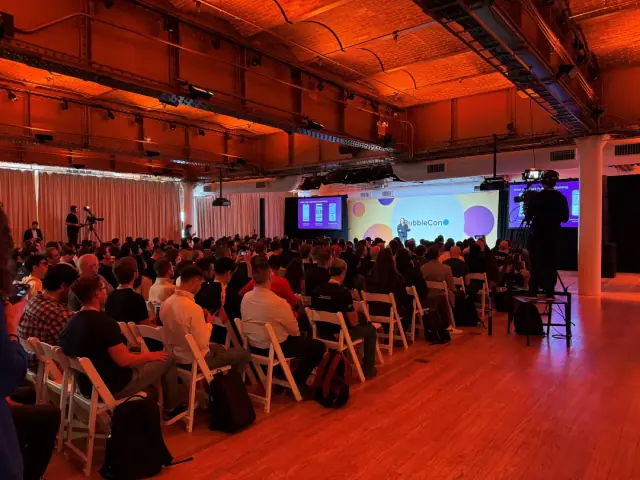
AppMaster participated in BubbleCon 2024 in NYC, gaining insights, expanding networks, and exploring opportunities to drive innovation in the no-code development space.

Quickbase, a low-code and no-code platform provider, helps multinational corporation Daifuku streamline and automate its supply chain operations. The platform's ease of use enables cross-functional collaboration, allowing companies to create custom applications for increased efficiency and cost savings.

According to RedHat analysis, low-code and no-code solutions can potentially reduce application development time by 90%. Their rising popularity is driven by an increasing number of enterprises going digital during the pandemic. It is estimated that almost 60% of all custom apps are now created outside the IT department, with 30% built by employees with limited development skills. Gartner predicts that by 2024, low-code app development will be responsible for over 65% of all app development activity.
One of the companies driving this trend is Cambridge, Massachusetts-based Quickbase, who offers a low-code, no-code platform designed to help businesses connect and automate systems, processes, and workloads. With over two decades of experience, Quickbase works with clients like Daifuku, a Japanese material-handling equipment company, to streamline operations and improve operational agility.
Quickbase's low-code platform allows customers to visually orchestrate workflows across applications and third-party tools using simple business logic, prebuilt integrations, and API-powered extensions. This means that employees can easily modify a business app, transform data, or change the schema without taking the app offline. In addition, app builders and administrators have granular control over data access and retention.
By leveraging Quickbase, developers, business stakeholders, and IT teams can collaborate effectively, verifying applications in a controlled environment before launching them for broader use. Additionally, they can review, publish, and discard changes to apps while users continue to add data to them, in development, or in production.
One of Quickbase's key benefits is its ability to facilitate communication and collaboration between teams, bridging the gap between departments and ensuring a unified view of complex processes. This leads to increased efficiency, cost savings, and accelerated digital transformation. According to Forrester, a business can save around $4.4 million in increased value over three years by adopting low-code tools.
Quickbase’s impact can be seen in how it has helped Daifuku, one of its customers, use the platform to solve supply chain-related business problems. Daifuku required an app to permit division tracking of parts, from point of entry through engineering to the assembly shop. The platform aided Daifuku in standardizing processes, automating notifications, and providing historical data and trend analysis to inform big-picture decision-making.
Quickbase competes with numerous startups in the rapidly growing low-code/no-code market, such as Webflow, Airtable, and OutSystems. However, Daifuku VP Giovanni Stone highlights Quickbase's ease of use as a key differentiator, allowing various employee groups to participate in app creation and data management, making it accessible and user-friendly.
Additionally, Quickbase equips "citizen developers" at Daifuku to tackle problems that the IT department might not have prioritized. With an average app development time of at least five months, this low-code solution helps employees quickly solve issues directly on the floor, driving better outcomes and filling gaps between monolithic systems.
Quickbase is just one example of how low-code and no-code platforms like AppMaster are revolutionizing the way businesses operate. As companies continue to adopt these solutions, expect to see a shift in agility, efficiency, and digital transformation across industries.
 Oct 04, 20241 min
 Sep 23, 20241 min
 Aug 08, 20241 min
Experiment with AppMaster with free plan.
When you will be ready you can choose the proper subscription.


