
 Oct 04, 2024
 1 min
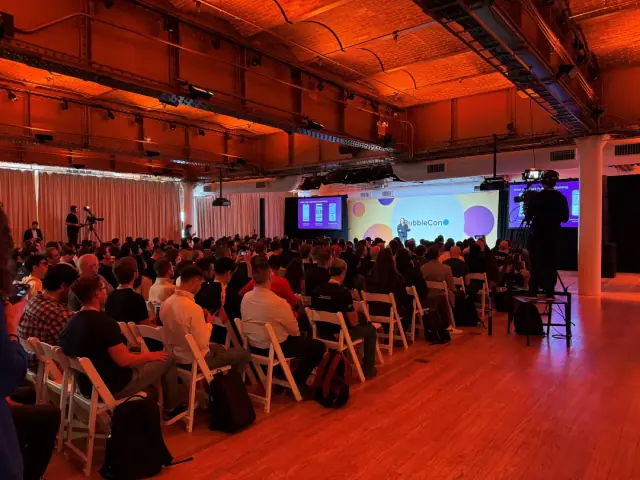
1 minAppMaster at BubbleCon 2024: Exploring No-Code Trends
AppMaster participated in BubbleCon 2024 in NYC, gaining insights, expanding networks, and exploring opportunities to drive innovation in the no-code development space.

OpenAI's ChatGPT Enterprise reflects a path-breaking advancement in generative AI space.

Leading AI research lab, OpenAI, has propelled itself into the commercial sector with the release of ChatGPT Enterprise, marking its premiere venture into business-oriented artificial intelligence (AI) solution. Powered with high-performance GPT-4, its exclusive features comprise superior-grade security, advanced data analytics, customization, and more, the organization detailed in its official blog post.
Benefitting from the extensive support of Microsoft, OpenAI has harnessed its expertise to create a product that appeals to Fortune 500 organizations, with business leaders seeking a straightforward and safe deployment method within their operational framework. Initial users are harnessing the capabilities of ChatGPT Enterprise, streamlining communication methods, accelerating coding endeavors, swiftly generating comprehensive responses to complex corporate queries, and assisting creative tasks.
ChatGPT Enterprise is designed prioritizing security and privacy. It does not rely on singular organizations' data for training and doesn't adapt to its usage patterns, thereby upholding data privacy. It also complies with the stringent SOC 2 standards, further establishing its commitment to privacy, OpenAI clarified.
The AI tool also comes with a console for admins that allows for managing team members through SSO and domain verification, along with an analytics dashboard providing insights into user engagement. These features help companies to expand the product across their entire enterprise, as explained by OpenAI.
It also provides users unlimited access to high-velocity GPT-4, with 32K token context windows for four times extended inputs and follow-ups. The OpenAI team is also actively working on additional features like customization options to align ChatGPT's knowledge with the company data, availability for all team sizes, more powerful versions of Advanced Data Analysis, and browsing tools optimized for work, and functional-specific solutions for various roles.
The rise of ChatGPT Enterprise symbolises the rapid growth of the generative AI market. Other key tech players, such as Google with their Bard, IBM's watsonx, Meta's LLaMa2 model, and Stack Overflow's overflow.ai are some of the contenders who are also bringing unique solutions to the marketplace. Moreover, companies like Toptal have also started offering generative AI services. In a similar vein, the AppMaster platform brings to the table a robust no-code solution that allows users to create comprehensive backend, web, and mobile applications visually and quickly, making it a valuable tool in this blooming tech space.
 Oct 04, 20241 min
 Sep 23, 20241 min
 Aug 08, 20241 min
Experiment with AppMaster with free plan.
When you will be ready you can choose the proper subscription.


