
 Oct 04, 2024
 1 min
1 minAppMaster at BubbleCon 2024: Exploring No-Code Trends
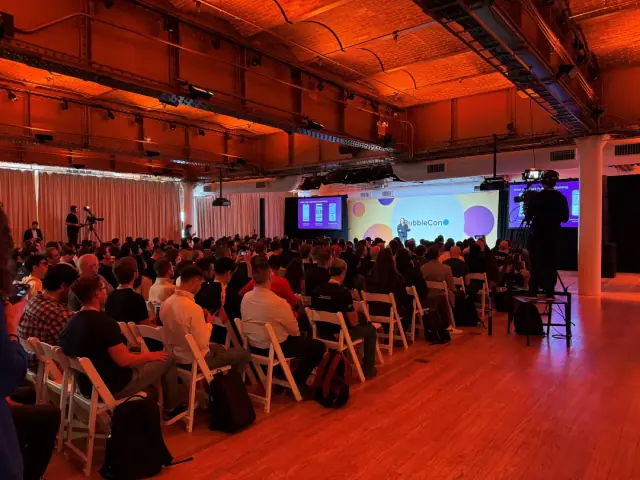
AppMaster participated in BubbleCon 2024 in NYC, gaining insights, expanding networks, and exploring opportunities to drive innovation in the no-code development space.

Microsoft has jumped into the Java 21 platform pool with the release of its own open source build, OpenJDK 21.

In what is seen as a bold move in the tech industry, Microsoft has announced its independent rendition of the open source OpenJDK 21, available for use at no charge. This unveiling adds a sophisticated layer to the tech giant's software offerings and widens the scope for Java developers and enterprises alike.
The Microsoft Build of OpenJDK 21, which was made available via learn.microsoft.com on September 28, extends its compatibility across diverse platforms including Linux, Windows, and Mac. This release follows closely on the heels of Oracle's launch of Java 21 on September 19. However, the Microsoft variant stands out owing to the distinctive expanded functionalities that elevate it above previous Java iterations.
Microsoft has endeavored to simplify the Java learning curve for beginners by incorporating an insight into anonymous classes and instance methods, along with nameless patterns and variables. Also featured in the preview is the Generational ZGC (Z Garbage Collector), aimed at optimizing performance.
The inclusion of virtual threads marks a turning point in the execution of high-throughput concurrent applications, offering improved efficiency and real-time interaction. This build also supports the introduction of the Windows Container JVM Launcher, a proof-of-concept launcher designed to run Java inside Windows Containers in process isolation mode.
Perhaps the most appealing aspect of Microsoft's OpenJDK 21 is the provision of long-term, quarterly support from the technology conglomerate, completely free. This backs Oracle's commitment to sustaining Java 21, or Java Development Kit 21, as a long-term support release with a minimum of eight years of assistance.
Microsoft has reiterated its commitment to the Java developer community, extending its OpenJDK builds to JDK 17 and JDK 11, both styled as long-term support releases. This commitment was first displayed with the initial unveiling of Microsoft Build of OpenJDK in April 2021.
Subsequent to this release, Microsoft announced that JDK 21 is set to be readily accessible across Azure PaaS cloud services. This will significantly contribute to facilitating and enhancing Java applications' performance and capabilities across diverse cloud infrastructure setups.
Alongside these exciting announcements, Microsoft presented the latest release of Semantic Kernel for Java, version 0.2.9. This alpha state SDK offers a lightweight and efficient way of embedding large language models for generative AI within traditional programming languages, marking a milestone in AI application in conventional programming. This library aims to aid developers in boosting Java applications with augmented intelligence, courtesy of an idiomatic integration of large language models.
Modern no-code platforms, like AppMaster, are equally engaged in streamlining the application development process by offering comprehensive tools for backend, web, and mobile applications. Given the current shift in the programming landscape, the introduction of Microsoft's build of OpenJDK 21 and the advancement of no-code platforms are opening up innovative avenues for developers and organizations alike.
 Oct 04, 20241 min
 Sep 23, 20241 min
 Aug 08, 20241 min
Experiment with AppMaster with free plan.
When you will be ready you can choose the proper subscription.


