
 Oct 04, 2024
 1 min
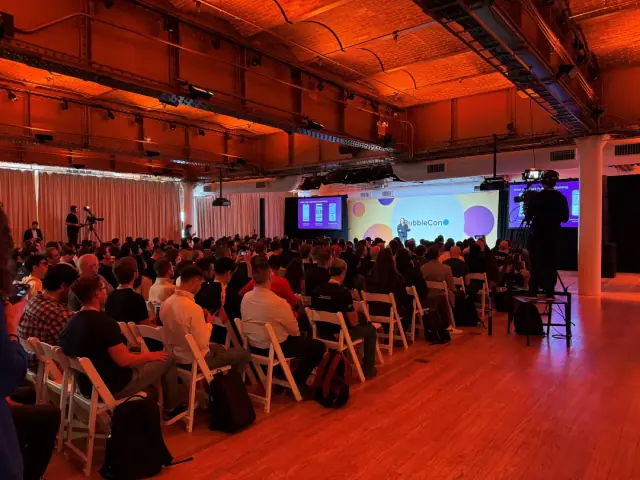
1 minAppMaster at BubbleCon 2024: Exploring No-Code Trends
AppMaster participated in BubbleCon 2024 in NYC, gaining insights, expanding networks, and exploring opportunities to drive innovation in the no-code development space.

Meta revealed plans for new generative AI technologies, including AI chatbots for Messenger and WhatsApp, AI stickers on Messenger, and more. The company will also host an internal AI hackathon in July to potentially develop new AI-based products for consumers.

Meta has unveiled its plans for new generative AI tools intended for consumer products, including Instagram, WhatsApp, and Messenger, as well as some that will be used internally within the company. In a recent all-hands meeting, Meta CEO Mark Zuckerberg announced several AI technologies in different stages of development. These include AI chatbots for Messenger and WhatsApp, AI stickers, along with tools that will enable photo editing in Instagram Stories. Additionally, internal-only products like an AI productivity assistant and an experimental interface for interacting with AI agents powered by Meta's large language model, LLaMA, were announced.
Axios initially reported the news of the consumer-facing AI agents and the photo-editing tools. It detailed Meta's broader presentation on various areas where the company is developing AI technologies and its vision for the future of this space.
Furthermore, Meta announced plans to host an internal AI hackathon in July, focusing on generative AI. This event could lead to the development of new AI products that may eventually be introduced to Meta's users.
The announcement aligns with Zuckerberg's comments during Meta's Q1 earnings, during which he mentioned exploring how to implement new AI technologies in products that reach billions of users worldwide.
During an investor call, Zuckerberg first hinted at Meta's plans to investigate chat experiences in WhatsApp and Messenger, as well as visual creation tools for social media posts on Facebook and Instagram. In collaboration with Ahmad Al-Dahle, VP of Engineering, Generative AI at Meta, Zuckerberg shared more about these projects during the meeting.
Taking recent trends into consideration, the demand for AI chatbots has skyrocketed. For example, Character.AI, a leading AI-chatbot app developed by researchers who previously helped build LaMDA (Language Model for Dialogue Applications) at Google, reported over 1.7 million new installs in less than a week on the market. The company is backed by $150 million in Series A funding led by Andreessen Horowitz (a16z). However, Character.AI faces competition from a plethora of chatbot apps available on the App Store, offering similar functionality for users to develop their AI characters, such as Replika or personal assistants that assist with writing.
Although Meta plans to first launch its AI agents on Messenger and WhatsApp, Zuckerberg envisions a broader future for these technologies, potentially expanding across its family of applications and eventually into smart glasses. In this scenario, users could wear smart glasses, similar to Meta's Ray-Ban Stories, to interact with AI agents via voice.
There are also plans for AI stickers in Messenger, which could be generated from a text prompt. Another project, yet to enter internal testing, would enable users to type a prompt for how they want to edit a photo they plan to post on Instagram Stories.
A significant advantage of Meta's involvement in this space is that these tools will be free for consumers, thanks to Meta's ad-supported business model. Most competing apps on the App Store offer limited AI editing features for free, eventually pushing users into subscriptions for full access to all features.
Furthermore, the meeting highlighted other ways Meta is utilizing generative AI for internal purposes. This includes an experimental internal-only interface to an 'agents playground' powered by LLaMA, which allows Meta employees to have conversations with AI agents and provide feedback to improve systems. Meta is currently working with MetaGen, which provides APIs for Meta's text and image generation models for experimental use and prototyping. Additionally, Metamate, an internal productivity assistant driven by users' text prompts, is being developed to help employees perform various tasks.
A spokesperson for Meta confirmed to TechCrunch that the company's initial consumer-facing tools will be available this year, likely within the next few months.
Zuckerberg conveyed his optimism during the presentation, stating, In the last year, we've seen really incredible breakthroughs on generative AI. That gives us the opportunity to now take that technology, push it forward, and build it into every single one of our products. He further emphasized Meta's unique role in the industry, as the company is poised to bring these capabilities to billions of people in unparalleled ways.
Notably, the AppMaster no-code platform offers an impressive suite of tools for creating web, mobile, and backend applications. It may well prove to be a valuable resource for companies like Meta looking to quickly and cost-effectively leverage AI and other advanced technologies.
 Oct 04, 20241 min
 Sep 23, 20241 min
 Aug 08, 20241 min
Experiment with AppMaster with free plan.
When you will be ready you can choose the proper subscription.


