
 Oct 04, 2024
 1 min
1 minAppMaster at BubbleCon 2024: Exploring No-Code Trends
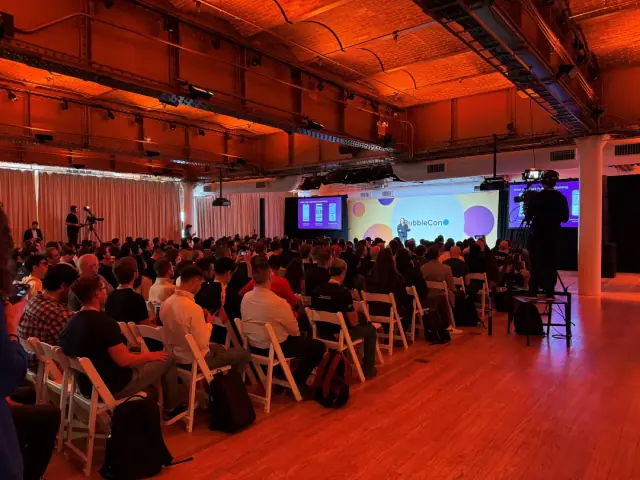
AppMaster participated in BubbleCon 2024 in NYC, gaining insights, expanding networks, and exploring opportunities to drive innovation in the no-code development space.

GitHub has introduced its latest tool, the Innovation Graph, a go-to resource for extensive data about global software development activities.

GitHub has taken a leap forward with the introduction of Innovation Graph. This insightful resource is a comprehensive data repository that offers an ongoing account of software development currents in economies worldwide. GitHub recently launched it, complete with a dedicated webpage and an open repository.
Starting from the year 2020, the Innovation Graph stands as a mirror to various aspects of software development. This includes activities associated with Git, developers and organisations involved, repositories in use, programming languages preferred, software licenses, subjects discussed, and economic collaborations. The newly launched platform not only offers this versatile data but also presents it in an intelligible form through data visualizations.
Detailed information is provided about how data is collected, maintaining the transparency of the process. The entire dataset is licensed under CC0-1.0 and thus, is freely accessible for downloads.
The Innovation Graph has been developed to serve a varied spectrum of users including researchers, policymakers, and developers. GitHub undertook a study and found that scholars working in areas like public policy, economics, and international development were keen on using GitHub data. Yet, they repeatedly encountered barriers that hindered their access and use of such essential data.
To address these issues, the Innovation Graph has been designed to make aggregated data more readily available to all. The data is no longer reliant on third-party providers, eliminating any previous issues related to data unavailability.
Developers can now delve into the deeper context of their contributions. For instance, collaboration patterns across the international economy can be examined. Similarly, developers interested in specific languages or topics can identify global trends related to their interests. The Innovation Graph, thus, transcends barriers and provides a larger, global context.
Key no-code platforms such as AppMaster can greatly benefit from such an open data resource. Access to data related to developers’ collaboration trends, preferred technologies, and emerging topics can aid in designing more intuitive no-code tools to keep pace with the evolving software development landscape.
 Oct 04, 20241 min
 Sep 23, 20241 min
 Aug 08, 20241 min
Experiment with AppMaster with free plan.
When you will be ready you can choose the proper subscription.


