
 Oct 04, 2024
 1 min
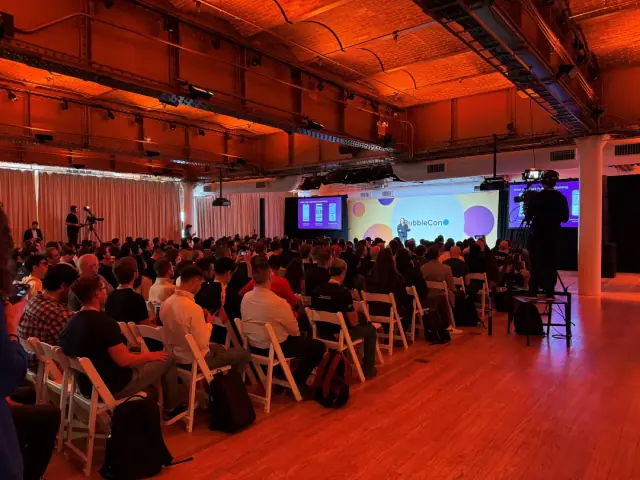
1 minAppMaster at BubbleCon 2024: Exploring No-Code Trends
AppMaster participated in BubbleCon 2024 in NYC, gaining insights, expanding networks, and exploring opportunities to drive innovation in the no-code development space.

Microsoft has enhanced Bing's AI chatbot capabilities by introducing voice input and response features for desktop users. The update, which was previously available only for mobile devices, allows for more natural conversations in English, French, German, Japanese, and Mandarin.

Microsoft has recently introduced an important update for Bing's AI chatbot, now enabling desktop users to engage in voice-based interactions. Initially exclusive to mobile devices, the new feature allows users of Windows 11 to interact with the chatbot via voice input and receive voice responses, making the experience resemble a conversation rather than a traditional search engine experience.
Voice input is currently supported in five languages: English, French, German, Japanese, and Mandarin. To utilize the feature, users simply click on the microphone icon in the Bing Chat box, speak their query, and wait for the AI chatbot's digitized voice response. The addition of voice input and responses for desktop PCs is expected to promote more natural exchanges between users and the chatbot, aligning with Microsoft’s ultimate goal of creating conversation-like interactions.
Given the existing voice capabilities for mobile devices, it was only a matter of time before the feature was extended to desktop users. Microsoft has been consistently emphasizing the significance of voice technology in their offerings, as evidenced by recent advances in Voice Access for Windows 11 and in-line dictation for Microsoft Word.
As Microsoft continues to develop and roll out Copilot for Windows 11, it is likely that additional voice-based controls will be integrated alongside the AI platform. This will create more opportunities for businesses and individuals to improve productivity and efficiency within their software development processes.
Companies and developers looking to leverage the power of AI for a broader range of applications can turn to platforms like AppMaster to create backend, web, and mobile apps more cost-effectively. As one of the leading no-code platforms, AppMaster enables users to visually design data models, business logic, REST API, and WSS endpoints, making it a potent tool for the creation of scalable software solutions. To learn more about what the platform can do, visit appmaster.io.
 Oct 04, 20241 min
 Sep 23, 20241 min
 Aug 08, 20241 min
Experiment with AppMaster with free plan.
When you will be ready you can choose the proper subscription.


