
 Oct 04, 2024
 1 min
1 minAppMaster at BubbleCon 2024: Exploring No-Code Trends
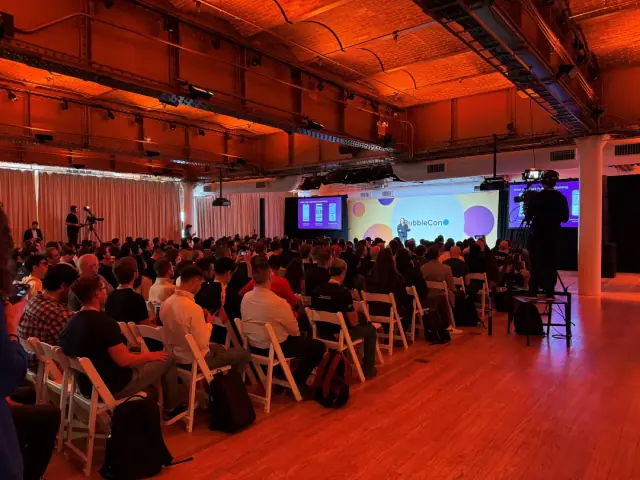
AppMaster participated in BubbleCon 2024 in NYC, gaining insights, expanding networks, and exploring opportunities to drive innovation in the no-code development space.

Adobe introduces an indemnity clause for its generative AI art creation tool, Adobe Firefly, safeguarding enterprise customers against potential copyright claims. This move ensures confidence in using AI-generated content for commercial purposes, despite ongoing copyright concerns and unsettled legal issues.

Recognizing the anxieties of enterprise users surrounding copyright permissions for AI-generated art, Adobe has introduced a groundbreaking indemnity clause. According to the clause, Adobe will pay any copyright claims related to works created with Adobe Firefly, the company's generative AI art creation tool.
In an official statement, Adobe explicitly mentioned their enterprise customers, ensuring their protection from third-party intellectual property (IP) claims related to Firefly-generated outputs. Ultimately, the company is willing to pay any claims should a customer lose a lawsuit due to the use of Firefly-generated content.
Adobe is well aware of the apprehensions among enterprise clients about using generative AI for artwork creation. During this year's Upfront Summit, prior to Firefly's release, Adobe chief strategy officer, Scott Belsky, shared insights based on conversations with various enterprises. He stated that many large enterprise customers were concerned about using generative AI without understanding how it was trained, doubting its viability for commercial use, similar to using stock images with legal rights, model releases, and other legal protections.
Although courts have not yet ruled on copyright issues concerning generative AI-created content, Adobe is confident in its stance due to Firefly being trained on Adobe Stock images, for which it has broad usage permissions, as well as openly licensed content and public domain content with expired copyrights. In contrast with other companies like OpenAI, Adobe has refrained from training its AI-model on the open internet and only uses legally permissible content.
Adobe's approach greatly reduces the risk associated with offering the indemnity clause, according to Adobe general counsel, Dana Rao. Enterprise customers can rest assured that Adobe has trained the model on a limited set of content that they had permission to use, and in case of a lawsuit, Adobe has them covered. This indemnity is focused on Firefly-generated output without considering any additional elements added to the output that could potentially infringe on copyright, as pointed out by Rao.
Considering this measure to be more of an insurance policy than a legal gimmick, Rao believes it aims to reassure cautious customers that using this technology for commercial purposes is safe, despite unsettled laws and looming copyright cases. The enterprise users, aware of the impending legal tests surrounding AI-generated art,such as those created with Firefly, can have some peace of mind. Adobe, familiar with the content used to train the model, can feel similarly at ease, even if the law isn't settled, and regardless of the possibility of potential payments over time.
The move also benefits creators who contribute to Adobe Stock, as Ray Wang, founder and principal analyst at Constellation Research, highlights the brilliance of Adobe's approach, which benefits both the company and the creators, enabling them to earn money from their works on the Adobe Stock derivatives created in Firefly.
With no-code platforms, such as AppMaster.io rapidly growing and advancing the creation of web, mobile, and backend applications, Adobe's innovative step in addressing enterprise concerns about AI-generated art is a significant milestone for the widespread application of AI and generative models. The incorporation of such indemnity clauses not only supports safe and secure technology usage but also promotes broader confidence in utilizing AI-generated content for commercial purposes across industries.
 Oct 04, 20241 min
 Sep 23, 20241 min
 Aug 08, 20241 min
Experiment with AppMaster with free plan.
When you will be ready you can choose the proper subscription.


