


 Jul 14, 2026
 8 min
8 minEquipment reservation app: prevent conflicts and track returns
Plan an equipment reservation app that prevents double bookings, records returns and damage, and places faulty items on maintenance hold.

Explore how citizen development is playing a crucial role in digital transformation, from reducing technical debt to accelerating application delivery.

Citizen development is the practice of empowering non-technical users — referred to as citizen developers — to create, modify, and maintain applications, workflows, and processes using low-code or no-code platforms. These platforms allow users without programming expertise to visually design and build software, focusing on the business logic rather than the complexities of code. Citizen development has emerged as a valuable approach to meet the growing demands for digital solutions and accelerate the journey toward digital transformation.
Citizen developers come from various backgrounds and roles within an organization, enabling cross-functional collaboration and fostering a culture of innovation. By making application development more accessible to non-developers, businesses can address skills shortages, accelerate growth, and achieve a greater level of agility.
Digital transformation requires businesses to continuously adapt their existing processes, culture, and technology to meet the rapidly changing demands of the digital world. Citizen development is playing an increasingly important role in driving digital transformation and achieving the following key objectives:
Technical debt refers to the long-term consequences of taking shortcuts or making hasty decisions in software development, such as outdated code, inefficient algorithms, or inadequate data structures. These issues can weigh down IT departments and slow down the pace of development in the long run. Citizen development, particularly with the help of low-code and no-code platforms, can address this challenge by:
Citizen development, when implemented effectively, can significantly reduce technical debt while increasing the speed at which organizations can innovate and adapt to new challenges. The key to success lies in the careful selection of appropriate platforms, the establishment of governance measures, and ongoing training for citizen developers.
Low-code and no-code platforms serve as the foundation for citizen development by providing accessible, user-friendly tools to build and modify applications without requiring extensive programming knowledge. These platforms empower non-technical employees to contribute to the development process and bring their ideas to life while freeing IT department resources for more complex projects.
Low-code platforms provide frameworks and pre-built components that help users create applications by writing minimal code. They often include drag-and-drop interfaces, visual modeling, and pre-built templates to help users create applications quickly. Low-code platforms can also integrate with existing systems and enable both citizen developers and IT professionals to collaborate on development projects.
No-code platforms, on the other hand, require no coding knowledge whatsoever. They enable users to create applications and workflows through entirely visual interfaces and pre-built modules that can be easily customized. No-code platforms target users who may not have any coding expertise, including non-technical employees in business and operational roles.
Both low-code and no-code platforms can significantly shorten application development time and reduce the costs associated with traditional software development. They also foster innovation and agility, allowing organizations to respond quickly to market changes and customer needs.
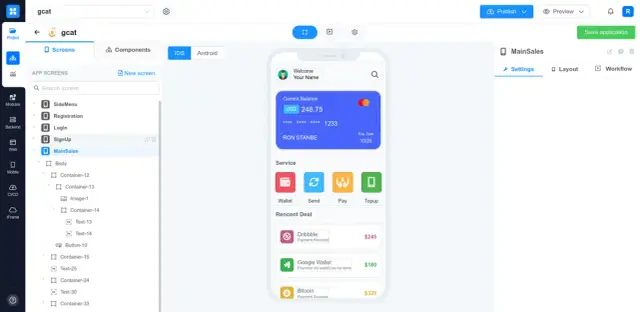
AppMaster.io is a powerful no-code platform designed to enable both citizen developers and IT professionals to create web, mobile, and backend applications efficiently and effectively. With its visual data models, business processes design, and REST API and WSS endpoints, AppMaster.io allows users to quickly develop applications with significantly reduced technical debt.
By leveraging the AppMaster.io platform, users can create applications up to 10 times faster and 3 times more cost-effectively than with traditional coding methods. Furthermore, the platform eliminates technical debt by generating applications from scratch every time requirements are modified — a feature that is especially beneficial for citizen developers seeking to create scalable, high-quality software.
AppMaster.io supports various compatibility levels, working with any Postgresql-compatible database as a primary database and providing excellent scalability for enterprise and high-load use cases due to its usage of compiled stateless backend applications generated with Go. As an all-in-one integrated development environment (IDE), AppMaster.io offers a comprehensive solution for organizations looking to empower citizen developers and streamline application development.
To effectively implement citizen development in an organization, it is crucial to establish a clear relationship between citizen developers and the traditional IT department. This can be achieved by:
By integrating citizen development with traditional IT processes, organizations can harness the best of both worlds—empowering non-technical employees to contribute to digital transformation efforts while maintaining the expertise of technical professionals to ensure the highest quality and security standards. In turn, this can lead to more efficient application development, faster innovation, and ultimately, stronger business performance.
Citizen development brings opportunities for faster digital transformation, but it also comes with potential challenges and risks. Acknowledging these potential pitfalls beforehand can help organizations mitigate them while reaping the benefits citizen developers have to offer.
One of the primary concerns regarding citizen development is the security of applications created by non-technical users. These citizen developers might inadvertently create vulnerabilities or fail to comply with security standards because they lack specialized knowledge in application security. Organizations must consider these risks, provide proper training and guidance, and implement strong governance practices to mitigate them.
Without proper governance and standardization in place, citizen development can lead to inconsistent practices and application quality. The lack of visibility and control over the entire development process can significantly impact an organization's digital transformation efforts. Establishing a clear governance framework that defines roles, responsibilities, and processes helps ensure citizen development initiatives align with the company's goals and uphold quality standards.
Citizen-developed applications may require ongoing maintenance and support to remain functional and compliant. Since these applications are usually created outside traditional IT processes, there's a risk that maintaining them falls on the shoulders of IT teams who may not be familiar with how they were built or how they operate. To mitigate this risk, organizations should identify who is responsible for maintaining and supporting these applications and provide proper training and resources.
Citizen developers may unintentionally overlook regulatory and compliance requirements when building applications, which could expose the organization to significant risks. Ensuring compliance, especially in industries with strict regulations such as finance and healthcare, is crucial for digital transformation strategies. Providing training, guidelines, and clear communication channels with the IT department will help address these concerns.
With the potential challenges and risks in mind, organizations can take active steps to embody the benefits of citizen development while minimizing risks. The following best practices can help facilitate a successful citizen development initiative:
Rather than allowing ad hoc solutions to crop up throughout the organization, establish a formal citizen development program that identifies key stakeholders, objectives, and guidelines. This initiative provides the foundation for tracking progress and holding citizen developers accountable while preventing shadow IT scenarios.
Citizen development should be overseen by a governance framework that outlines roles, responsibilities, and processes for creating, maintaining, and monitoring applications. This framework should also address security and compliance concerns. Establishing clear guidelines ensures consistency, quality, and alignment with overall digital transformation goals.
Empower citizen developers to succeed in their roles by offering proper training and guidance. Provide educational resources and access to low-code or no-code platforms like AppMaster.io that help them develop applications securely and efficiently. Adequate training not only elevates the quality of their output but also reduces the potential for security and compliance issues.

Choosing a citizen development platform that suits the organization's needs is critical. Opt for a platform that offers a balance of ease-of-use and powerful functionality, enabling citizen developers to create applications while ensuring overall quality. AppMaster.io, for example, offers a no-code platform that is user-friendly yet powerful enough to develop secure, scalable, and efficient applications.
Monitoring the performance and security of citizen-developed applications is key to maintaining and improving their quality. Establish a process for collecting feedback, evaluating applications, and providing ongoing support and improvements. This fosters a culture of continuous learning and growth among citizen developers and ensures applications stay up-to-date and secure. In conclusion, citizen development has the potential to accelerate digital transformation efforts, provided organizations are mindful of potential risks and focus on implementing best practices.
By embracing citizen development and leveraging platforms like AppMaster.io, organizations can cultivate a culture of innovation, creativity, and collaboration across both IT and non-technical employees, driving digital transformation successfully and efficiently.
 What is citizen development?
Citizen development is the practice of enabling non-technical users to create or modify applications, workflows, and processes, typically using low-code or no-code platforms.
How does citizen development contribute to digital transformation?Citizen development accelerates digital transformation by enabling non-technical employees to create applications, reducing IT workload, minimizing technical debt, and speeding up application delivery.
What is the role of low-code and no-code platforms in citizen development?Low-code and no-code platforms provide an accessible way for citizen developers to create applications, with drag-and-drop interfaces, visual modeling, and pre-built templates that eliminate the need for manual coding.
What is AppMaster.io and how does it support citizen development?AppMaster.io is a no-code platform that empowers citizen developers to create web, mobile, and backend applications using visual data models, business processes design, and more. With AppMaster.io, users can rapidly develop applications with reduced technical debt.
How can traditional IT and citizen development coexist?Traditional IT and citizen development can coexist by defining clear governance and collaboration practices, ensuring proper onboarding and training, and adopting platforms that bridge the gap between the two.
What challenges and risks does citizen development pose?Challenges and risks of citizen development include potential security issues, data breaches, lack of standardization, and inadequate governance, as well as concerns about ongoing maintenance and compliance.
What are the essential best practices when implementing citizen development?Best practices for implementing citizen development include creating a formal citizen development initiative, establishing governance and guidelines, training and onboarding, selecting the right platform, and ongoing monitoring and support.
How can organizations promote a culture of citizen development?Organizations can promote a citizen development culture by encouraging curiosity and creativity, providing access to training and resources, and recognizing and supporting citizen developers' contributions to the organization.
Experiment with AppMaster with free plan.
When you will be ready you can choose the proper subscription.
 Jul 14, 20268 min
 Jul 13, 20268 min
 Jul 08, 20268 min