
 Oct 04, 2024
 1 min
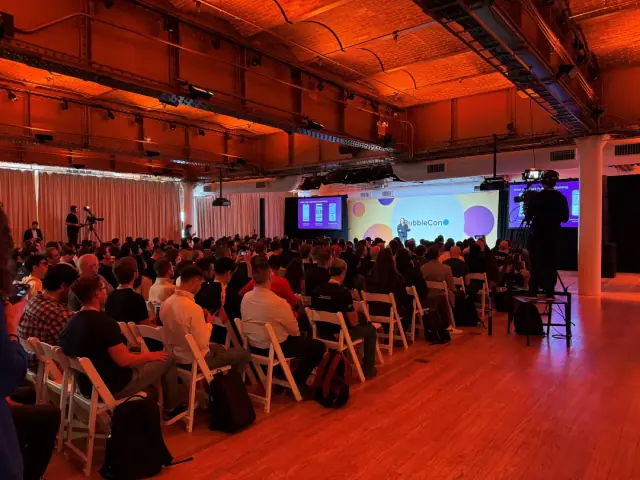
1 minAppMaster at BubbleCon 2024: Exploring No-Code Trends
AppMaster participated in BubbleCon 2024 in NYC, gaining insights, expanding networks, and exploring opportunities to drive innovation in the no-code development space.

Microsoft has launched TypeScript 5.2, a strongly typed superscript of JavaScript.
A new product variation has hit the technology landscape - TypeScript 5.2, a high-performing edition from Microsoft's stable. Bolstering its portfolio of strongly-typed JavaScript enhancements, this release notably brings explicit resource management to the fold. This feature is part of the roadmap for JavaScript's ECMAScript standard.
Available in a production-ready release mode since August 24, as confirmed by a Microsoft bulletin, this update follows soon after an August 9 release candidate version. The beta form had been operating in the market since June 30.
So, what's the fuss about explicit resource management? In the software development realm, managing resources like I/O and memory forms a critical pattern where timing and control are key. Allocating and deallocating resources judiciously contributes to software efficiencies. The new addition enables resource disposal operations, essentially clean-up routines, to be front and center in JavaScript application management. A new symbol termed Symbol.dispose kickstarts this process. To make things easier, TypeScript introduces a novel type, the global Disposable.
After unleashing the Release Candidate (RC), Microsoft documented three further features with the TypeScript 5.2: array method copying capability; potential to use symbols as WeakMap and WeakSet keys; and clickable inlay parameter hints offering quick glance parameter details. A small, but significant, change concerning the namespace keyword in declaration files has also been made - it is emitted invariably now.
With the RC, Microsoft had pushed out optimised type compatibility checks to ease debugging processes. It added the ability to reference paths of TypeScript implementation files via type-only imports, further bolstering code maintainability and variability.
TypeScript 5.2 can be accessed through two platforms - NuGet or NPM, by using the command: npm install -D typescript.
While Microsoft forges ahead with TypeScript development, platforms such as AppMaster also play its part in the no-code application development landscape. The ability to create backend, web, and mobile apps visually, without traditional hand-coding, redefines the application making process. The AppMaster platform offers an intuitive user interface and ever-evolving capabilities to bolster this ethos.
 Oct 04, 20241 min
 Sep 23, 20241 min
 Aug 08, 20241 min
Experiment with AppMaster with free plan.
When you will be ready you can choose the proper subscription.


