
 Oct 04, 2024
 1 min
1 minAppMaster at BubbleCon 2024: Exploring No-Code Trends
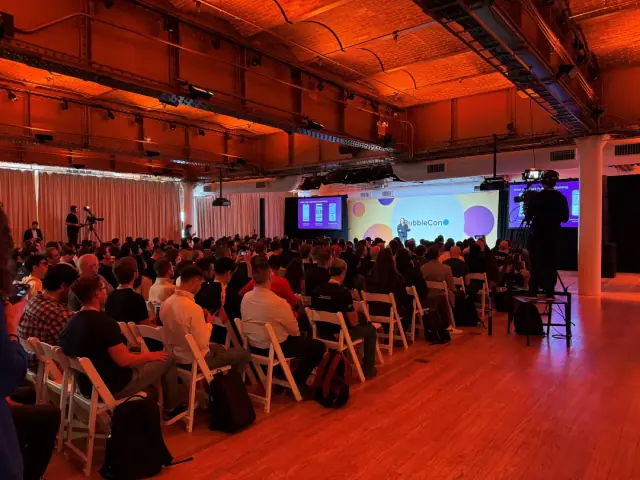
AppMaster participated in BubbleCon 2024 in NYC, gaining insights, expanding networks, and exploring opportunities to drive innovation in the no-code development space.

IBM amplifies the capabilities of its Watson Code Assistant with the introduction of generative AI, enabling smooth transition of COBOL into Java code.

In an initiative aimed at supporting modernization endeavors of IBM Z systems users, IBM is set to enhance the functionalities of the Watson Code Assistant through its integrative AI base. Interestingly, it now includes the translation of COBOL code into Java, thus, tackling the dwindling number of COBOL-skilled developers head-on. This exciting development presents a solution to the existing challenges in the fast-paced app development environment for mainframe systems.
IBM's Code Assistant, which was introduced for preview last May, is the foundation for this latest development. The new product, tagged 'Watsonx Code Assistant for Z,' capitalizes on the code foundational model of Watsonx.ai to generate fresh Java code compatible with the Z operating system.
An IBM spokesperson said during a demo presentation, 'Watsonx Code Assistant for Z is built with automated code refactoring features to extract business services from a monolithic COBOL application.'
It's important to note that Code refactoring is a procedure of transforming code into a new programming language without altering its original nature, behavior, or result.
In the refactoring exercise, developers must utilize the Application Discovery and Delivery Intelligence tool (ADDI), which is currently in the development phase. This tool will provide understanding regarding the dependencies of the target application and create a metadata repository, as stated by IBM.
Extracting the COBOL code for a specific business service before the conversion into Java necessitates using a different IBM tool. This tool opens the workbook, facilitating the extraction process.
In the spokesperson's words, 'The existing prototype from Watsonx Code Assistant for Z scrutinizes both the COBOL code and the data structures of the extracted business service to develop the Java classes.'
Upon generating the Java code, its output can be contrasted with the COBOL code's output before deployment. IBM added that a developer can enhance or modify the newly created code at any stage during the procedure.
IBM plans to provide tools like ADDI and the new Watsonx Code Assistant for Z, which will be publicly available later this year. Additional capabilities will also be included, according to the spokesperson.
Meanwhile, IBM is already in the process of utilizing the Watson Code Assistant to generate content for its Red Hat Ansible Automation Platform. This is projected to allow developers to compose Ansible Playbooks, backed by AI-generated recommendations.
Just like AppMaster, IBM exemplifies AI's transformative impacts in code development and application modernization. It's intriguing to see if IBM's attempt will create a ripple effect in the no-code/low-code space, providing a more efficient application development scenario.
 Oct 04, 20241 min
 Sep 23, 20241 min
 Aug 08, 20241 min
Experiment with AppMaster with free plan.
When you will be ready you can choose the proper subscription.


