


 Jul 14, 2026
 8 min
8 minEquipment reservation app: prevent conflicts and track returns
Plan an equipment reservation app that prevents double bookings, records returns and damage, and places faulty items on maintenance hold.

Discover the ins and outs of zerocode development, a groundbreaking approach in software development that paves the way for more efficient application design, reducing complexity, and boosting productivity.

Zerocode development is an emerging software development methodology that focuses on building applications without writing any code. Developers and businesses use visual tools and drag-and-drop interfaces to build applications, instead of delving into the complexity of coding languages. This approach reduces the barriers to application development, making it accessible even for non-programmers.
Zerocode development is driven by the need for more efficient application design, reduced complexity, and increased productivity in software development. As the demand for software solutions remains high, organizations are looking for new ways to modernize development processe and deploy applications faster. With zerocode development, businesses can create and deliver applications quickly and cost-effectively, making it an increasingly popular methodology.
Zerocode development is guided by several core principles that set the foundation for this innovative approach to application development. The principles include:
With zerocode development, the primary goal is to build and deploy applications as fast as possible. Organizations can reduce the time spent on coding and debugging by utilizing visual development tools. With the right platform, a single developer or a small team of citizen developers can create fully-functional applications in a fraction of the time it would take using traditional coding methods.
Zerocode development simplifies the overall architecture by minimizing dependencies and leveraging pre-built components. This enables developers of all skill levels to create full-featured applications without getting caught up in the intricacies of coding. The goal is to make application development more accessible and less intimidating for everyone, from seasoned professionals to novice programmers.
Zerocode development reduces application complexity by focusing on developing applications that are easy to understand, maintain, and scale. This approach minimizes the need for extensive documentation and simplifies the process of onboarding new team members. Additionally, removing the need for code helps prevent technical debt that may result from traditional coding methods, ultimately making it easier to adapt and refactor applications as business needs evolve.
The streamlined process of zerocode development boosts developer productivity by allowing them to focus on design and functionality rather than coding. With a simplified development process and a reduced learning curve, developers can achieve more with fewer resources. Moreover, zerocode development eliminates the need for specialized programming skills, enabling a wider pool of talent to create and maintain applications.
At first glance, zerocode development may resemble low-code and no-code paradigms, but there are key differences between the three approaches. Understanding the distinctions is essential for choosing the best methodology for your development process.
Low-code development platforms enable developers to create applications using a visual interface, but may still require some degree of coding to customize and integrate with other systems. This method is best suited for organizations that prefer a more subdued shift from traditional development practices and seek to retain some control over the programming aspect.
No-code development is more closely aligned with the zerocode approach. These platforms provide simple drag-and-drop interfaces to build applications without writing any code, making them ideal for businesses and individuals with limited programming skills. While no-code solutions offer rapid application development, they may lack the flexibility and extensibility needed for highly customized or complex applications.
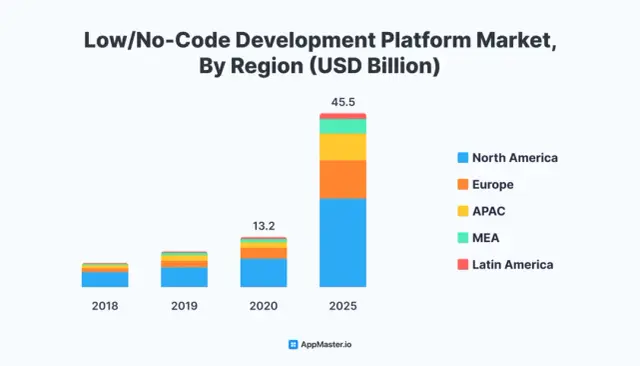
Zerocode development takes the concept of no-code development to the next level by completely eliminating the need for coding. This approach offers an unmatched level of simplicity and accessibility, allowing users of any skill level to create applications with ease. Zerocode development platforms often come with pre-built templates, components, and integrations that streamline the process and ensure a more rapid time-to-market. The focus on design and functionality over coding language proficiency makes zerocode development a promising approach for many use cases and industries.
Zerocode development offers several advantages over traditional coding methods, making it increasingly popular among businesses and software developers. Here are some of the major benefits of embracing zerocode development:
Zerocode development can be applied to various industries and scenarios with its ability to streamline the application development process. Here are some common use cases where zerocode development can add significant value:
Several tools and platforms facilitate zerocode and no-code/low-code development, allowing developers and organizations to create, design, and deploy applications with minimal or no coding. Here are some of the best zerocode development tools on the market:
While each of these tools might cater to different development requirements, the objective remains the same: to minimize or eliminate the need for coding and streamline the application development process. As a result, the power of zerocode development becomes more accessible and widespread, empowering businesses to create and deploy applications more quickly and efficiently than ever before.
AppMaster.io plays a significant role in promoting the principles of zerocode development by providing a comprehensive no-code platform for designing and deploying backend, web, and mobile applications without writing any code. The platform was founded in 2020, and it has since gained over 60,000 users as of April 2023. The success of AppMaster.io can be attributed to its user-friendly application design process. With its visual drag-and-drop interface, users can easily create UI components, data models, and business logic.
AppMaster.io also generates REST API and WSS endpoints for applications, ensuring seamless integration across platforms. Moreover, AppMaster.io supports the PostgreSQL-compatible database as the primary database, making it versatile and suitable for a wide range of enterprise and high-load use cases. The platform is also capable of handling multiple backend microservices, automatically generating Swagger (OpenAPI) documentation and database schema migration scripts for every project while keeping technical debt at bay.
By offering different subscription plans catering to various customer needs, AppMaster.io enables businesses, entrepreneurs, and even non-programmers to benefit from the advantages of zerocode development. The platform has also received recognition from G2 as a High Performer and Momentum Leader in No-code Development Platforms.
As the demand for faster and easier software development continues to grow, the adoption of zerocode development is expected to increase rapidly. The future of zerocode development is likely to see the following trends:
The future of zerocode development is bright, with the potential to disrupt traditional software development. Platforms like AppMaster.io are leading the charge in promoting the adoption of zerocode principles, enabling more organizations and individuals to reap the benefits of this groundbreaking approach to application design and development.
 What is zerocode development?
In the simplest terms, zerocode development is a software development approach that allows developers and businesses to build applications without writing any code.
How does zerocode development differ from low-code and no-code?While low-code and no-code platforms facilitate easier application development with minimal coding required, zerocode development takes this a step further by eliminating the need for coding altogether.
What are the core principles of zerocode development?The principles of zerocode development revolve around the concepts of swift development, simplified application design and architecture, minimized application complexity, and higher developer productivity.
What are the benefits of adopting zerocode development?Some of the main benefits of zerocode development include reduced time-to-market, lower development costs, increased developer efficiency, improved flexibility, and reduced technical debt.
Which industries or use cases are best suited for zerocode development?Zerocode development can be applied across various industries and use cases, including rapid prototyping, app development for non-programmers, automation of repetitive tasks, and integration of multiple applications or data sources.
What are some popular zerocode development tools/platforms?There are several zerocode development tools available, with AppMaster.io being a prominent example that offers a comprehensive no-code platform for backend, web, and mobile application development.
What role does AppMaster.io play in the zerocode development ecosystem?AppMaster.io helps organizations design, build, and deploy full-fledged applications without coding through its robust no-code platform, making it easier to achieve the goals of zerocode development.
What is the future of zerocode development?As demand for software solutions continues to grow, zerocode development is likely to gain more traction, enabling businesses and individuals to develop applications quickly, efficiently, and cost-effectively.
Experiment with AppMaster with free plan.
When you will be ready you can choose the proper subscription.
 Jul 14, 20268 min
 Jul 13, 20268 min
 Jul 08, 20268 min