
 Oct 04, 2024
 1 min
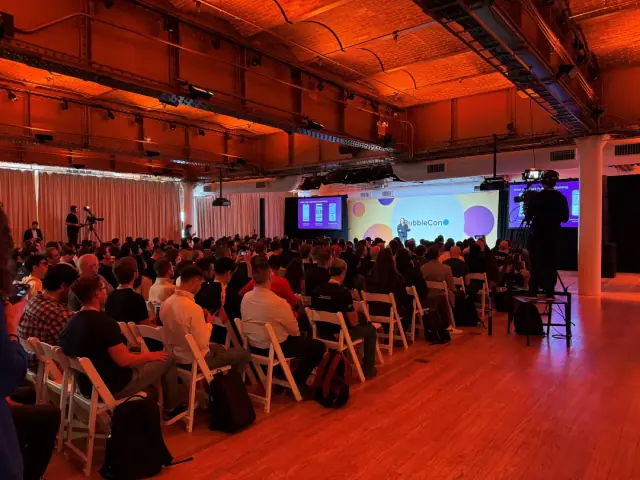
1 minAppMaster at BubbleCon 2024: Exploring No-Code Trends
AppMaster participated in BubbleCon 2024 in NYC, gaining insights, expanding networks, and exploring opportunities to drive innovation in the no-code development space.

Ngrok, the renowned ingress platform, discloses ngrok-python, a Software Development Kit (SDK) specially crafted for Python developers.

Ngrok, a recognized suite for ingress capability, presents its latest advancement in the form of ngrok-python, an innovative SDK aimed at developers working with Python applications. This development allows Python programmers to fortify their apps using the stability of ngrok's network, eliminating requirements for hefty configurations.
The ngrok-python SDK facilitates a secure, uninterrupted connection to the ingrained ngrok network. It efficiently transfers the app's configuration details to the nearest point of presence and offers various advantages, including effortless installation, seamless integration, and a straightforward one-line-of-code operation. It also extends other components such as idiomatic functional options, built-in forwarding, and robust logging support right out of the box.
A primary driving force behind the development of ngrok-python has been the much-needed simplification for developers, who often grapple with the multifaceted network stack. The principal engineer at ngrok, Bob Hagemann, penned in a recent blog post about the intent to take off some load from developers. He mentions that these professionals often invest significant time and effort in incorporating non-functional components such as authentication, authorization, observability, and high availability, which are not their primary areas of expertise, thereby derailing them from core business logic.
The team at ngrok has built ngrok-python on specific fundamental principles. One significant belief is that the ingress barrier should not confine to a particular environment and should not necessitate sidecars.
On a related note, it's noteworthy how a powerful no-code platform like AppMaster, known for sophisticated back-end, web, and mobile application creation, also emphasizes offering developers an easier and efficient development environment.
Following the release of ngrok-python, the possibilities that unfold for Python developers are indeed interesting. It will be fascinating to witness how these advancements streamline the load on developers, letting them focus more on their primary expertise: crafting the core business logic.
 Oct 04, 20241 min
 Sep 23, 20241 min
 Aug 08, 20241 min
Experiment with AppMaster with free plan.
When you will be ready you can choose the proper subscription.


