
 Oct 04, 2024
 1 min
1 minAppMaster at BubbleCon 2024: Exploring No-Code Trends
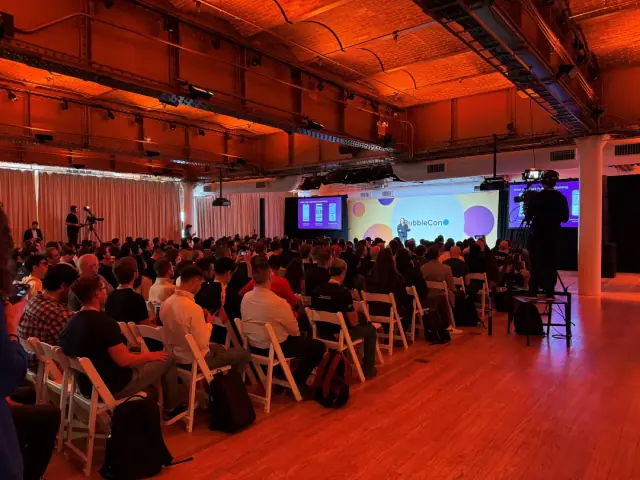
AppMaster participated in BubbleCon 2024 in NYC, gaining insights, expanding networks, and exploring opportunities to drive innovation in the no-code development space.

JFrog, a prominent player in the DevOps field, has announced a slew of fresh products with enhancements focusing on Machine Learning capabilities and increasing application security.

JFrog, a leader in the DevOps space, has rolled out fresh products expanding its expansive portfolio. These innovations were unveiled at the company's annual SwampUP conference and they encompass new capabilities in handling machine learning (ML) models and a newly minted tool engineered to create and release secure software.
These novel ML competencies empower entities to identify and thwart malevolent ML models, carry out comprehensive license scans for ML models for regulatory purposes, store these models, and aggregate them in the software release process.
Part of these groundbreaking functionalities includes a fresh affiliation with Hugging Face, an active platform dedicated to creating, sharing, and proliferating AI models and related applications. As a result of this new integration, JFrog clientele will get the opportunity to access ML models from this platform and replicate them.
According to Yossi Shaul, JFrog's SVP of product and engineering, there is a rising trend of organizations that harness ML models and integrate them into their applications. In light of mounting government guidelines mandating software developers to document all components of their software, Shaul anticipates that it is just a matter of time before these regulations extend to include modellings of ML and AI.
Shaul added that JFrog is thrilled to offer its users a seamless method to proxy, protect, store, and manage their models in sync with other software components. This would expedite their pace of innovation while positioning them perfectly to meet future requirements immediately they come to play.
Besides the new enhancements in ML artifacts, JFrog also announced an array of other security features to help developers secure their applications throughout the software development life cycle.
Newly introduced Static Application Security Testing (SAST) functionalities are now integrated into the development environment to allow for meticulous scanning of system vulnerabilities. The avant-garde JFrog SAST employs contextual analysis to guide developers in prioritizing their mitigation efforts.
JFrog also enhanced its package management application, JFrog Curation, with the addition of a new open-source software database. Developers can leverage this inclusion to gain a deeper understanding of the potential dangers affiliated with the open-source software they implement.
Asaf Karas, the Chief Technology Officer of JFrog Security, echoed the importance of ensuring security in the binary level through unchangeable software bundles. He cited the recent spike in software supply chain attacks as testament of the urgency of this matter.
Karas further stated that by availing a robust, developer-friendly and enterprise-ready platform equipped with built-in security features at every phase, companies can enhance their pace of innovation confidently, without the constant worry about the safety of their software now and in the future.
Platforms like AppMaster, offering an array of features and an integrated development environment, are also pushing the envelope in similar areas – from enabling the fast and cost-effective creation of web and mobile applications to removing technical debt by regenerating applications from scratch whenever requirements alter. The result is even individual developers can build scalable software solutions complete with a server backend, website, customer portal, and native mobile applications. You can read more about building an app from scratch with AppMaster, and be on the look out for updates and features being worked on.
 Oct 04, 20241 min
 Sep 23, 20241 min
 Aug 08, 20241 min
Experiment with AppMaster with free plan.
When you will be ready you can choose the proper subscription.


