


 Jul 14, 2026
 8 min
8 minEquipment reservation app: prevent conflicts and track returns
Plan an equipment reservation app that prevents double bookings, records returns and damage, and places faulty items on maintenance hold.

Get an in-depth understanding of the differences between Zerocode (No-Code), Low-Code, and Traditional Coding platforms. Learn their pros, cons, and use cases in different industries and how they benefit innovation and business growth.

The software development industry is evolving rapidly, offering organizations a range of development platforms and methodologies designed to optimize the process and fulfill their specific needs. These platforms can be broadly classified into three major categories: Zerocode ( No-Code), Low-Code, and Traditional Coding. In this article, we will explore these three categories and highlight their key differences and use cases in different industries.
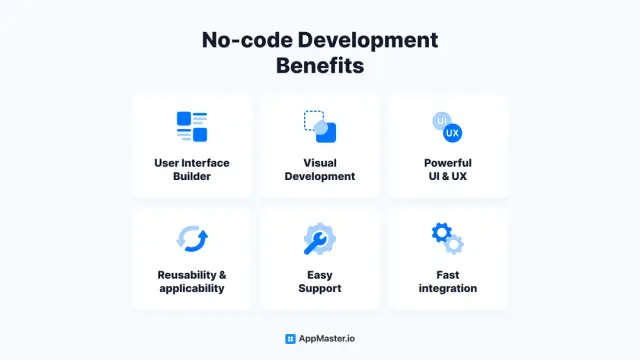
Zerocode, or No-Code development platforms, are designed to empower non-technical users to create applications, websites, and other software solutions without having to write any code. With a visual, drag-and-drop interface, users can design components and visually define application processes, allowing them to build fully functional applications quickly and easily.
No-Code platforms enable anyone with an idea to transform it into a working product, considerably lowering the barriers to entry for software development. The No-Code movement has gained significant momentum in recent years, as businesses and entrepreneurs search for more efficient, accessible ways to create software solutions. Some popular examples of No-Code platforms include AppMaster.io, Wix, Bubble, and Webflow.
Low-Code platforms fall somewhere between No-Code platforms and Traditional Coding methods. They provide a quicker development process compared to traditional coding methodologies while retaining some degree of customization and flexibility. These platforms allow users to create software solutions faster, with a visual drag-and-drop interface for designing software components while also permitting customization through coding for additional flexibility.
Low-Code platforms cater to a wide range of user skill levels, from non-technical users to developers looking to accelerate their software development process. Some examples of Low-Code platforms include OutSystems, Mendix, and Appian.
Traditional Coding, also known as hand-coding, is the process of creating software applications, websites, and other solutions through the manual writing of code, from scratch, in various programming languages like Python, Java, C++, and JavaScript. Developers following this approach must possess an in-depth knowledge of the technologies, libraries, and frameworks that are required to build the desired solution.
Traditional Coding is often the default choice for many businesses and developers, especially when it comes to creating custom, complex software solutions. However, this approach may be time-consuming and expensive.
Traditional Coding platforms typically have several key features that set them apart from Zerocode and Low-Code alternatives:
The primary differences between Zerocode (No-Code) platforms, Low-Code platforms, and Traditional Coding platforms lie in their approach to development, target user base, and levels of customization allowed. Here's an overview of their key differences:
Each of these development approaches has its advantages and disadvantages. Let's explore the pros and cons of Zerocode (No-Code), Low-Code, and Traditional Coding platforms:
Pros:
Cons:
Pros:
Cons:
Pros:
Cons:
Ultimately, the choice of platform depends on factors like the level of customization required, time and resource constraints, target audience, and the level of technical expertise available within a business or development team.
The choice between Zerocode (No-Code), Low-Code, and Traditional Coding platforms depends on your specific use case, requirements, budget, and available resources. Each development approach caters to different needs and industries. Zerocode platforms have grown in popularity due to their ability to democratize and expedite the application development process.
Non-technical users can create applications, websites, and other software solutions without learning how to code. This makes Zerocode platforms particularly suitable for small businesses and startups looking for cost-effective ways to create solutions quickly. On the other hand, limited customization and flexibility could be a drawback in some scenarios.
Low-Code platforms bridge the gap between Zerocode and Traditional Coding, enabling a faster development process compared to traditional methods while still providing customization capabilities. Low-Code platforms are suitable for businesses and organizations that require more tailor-made solutions, have some in-house coding experience, and want to strike a balance between ease of use and flexibility. However, there might be limitations in customization when compared to traditional coding.
Traditional Coding remains important for creating highly specialized solutions that require the unique abilities and expertise of professional developers. Although this approach takes longer and requires higher technical expertise, it offers the highest level of customization and flexibility. This makes it suitable for large enterprises and organizations that have more complex and specific requirements. In summary, the choice between Zerocode, Low-Code, and Traditional Coding depends on factors such as:
Consider these factors and weigh the pros and cons for each approach to make the best choice for your project.
AppMaster.io is a prime example of a powerful no-code platform designed to streamline and simplify application development. Founded in 2020 and with over 60,000 users as of April 2023, AppMaster delivers an end-to-end solution for creating backend, web, and mobile applications without writing a line of code.
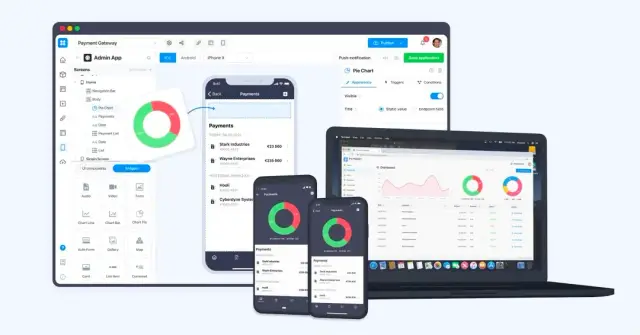
AppMaster allows users to create applications with rich functionality, including data models, business logic, REST APIs, and web sockets. AppMaster generates source code for applications, compiles them, runs tests, and deploys to the cloud, ensuring seamless integration of your user interface, backend, and mobile applications with real-time updates and no technical debt. Highlighted on G2 as a High Performer and Momentum Leader in No-Code Development Platforms, AppMaster is ideal for a wide range of users, from small businesses to large enterprises.
With its Learn & Explore free tier to its specialized Business+ and Enterprise subscriptions, AppMaster offers versatile plans to cater to varying needs. AppMaster continues to pioneer the no-code revolution, providing an accessible and efficient way for users to bring their ideas to life without the complexities of traditional coding. Its focus on eliminating technical debt, reducing development time, and lowering costs make it a standout platform in the world of no-code development. Learn more about AppMaster.io and its features by signing up for a free account.
 What are Zerocode (No-Code) platforms?
Zerocode or No-Code platforms are development tools that empower non-technical users to create applications, websites, and other software solutions using a visual, drag-and-drop interface without writing any code.
What are Low-Code platforms?Low-Code platforms are development tools that help users create software solutions faster than traditional coding methods, as they involve a visual drag-and-drop interface for designing software, while still allowing for customization through coding.
What is Traditional Coding?Traditional Coding refers to the conventional development process, where developers create applications and other software solutions by writing code in various programming languages.
What are the key differences between Zerocode, Low-Code, and Traditional Coding platforms?Zerocode platforms do not require any coding knowledge, while Low-Code platforms allow for code customization but still use visual tools to expedite the development process. Traditional Coding platforms require extensive coding knowledge and follow a step-by-step development process.
What are the advantages of Zerocode platforms?Zerocode platforms offer advantages such as speed of development, cost-effectiveness, ease of use for non-technical users, and low technical risk in regards to maintenance, upgrades, and debugging.
What are the disadvantages of Zerocode platforms?Disadvantages of Zerocode platforms include limitations in customization, less flexibility compared to traditional coding and low-code platforms, and potential vendor lock-in.
What are the advantages of Low-Code platforms?Low-Code platforms provide a faster development process compared to traditional coding, while still retaining the flexibility of customization through code. They also cater to a wider range of user skill levels, from non-technical users to experienced developers.
What are the disadvantages of Low-Code platforms?Disadvantages of Low-Code platforms include potential limitations in customization and a higher learning curve compared to Zerocode platforms.
What are the advantages of Traditional Coding platforms?Traditional Coding platforms offer complete customization and flexibility, supporting a wide range of languages and technologies. This allows developers to create unique and highly specialized solutions.
What are the disadvantages of Traditional Coding platforms?Disadvantages of Traditional Coding platforms include slower development times, a higher learning curve, and a higher cost due to the need for experienced developers and resources.
Experiment with AppMaster with free plan.
When you will be ready you can choose the proper subscription.
 Jul 14, 20268 min
 Jul 13, 20268 min
 Jul 08, 20268 min