
 Oct 04, 2024
 1 min
1 minAppMaster at BubbleCon 2024: Exploring No-Code Trends
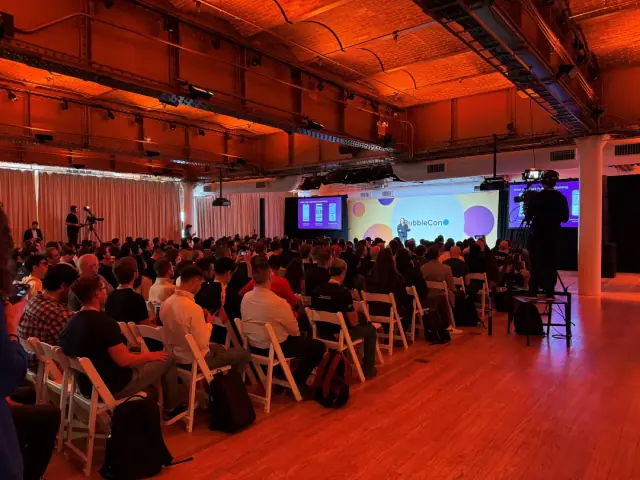
AppMaster participated in BubbleCon 2024 in NYC, gaining insights, expanding networks, and exploring opportunities to drive innovation in the no-code development space.

Positioning passkeys as a robust alternative to the vulnerable password system, Google has announced its transition to make passkeys the standard sign-in method.

Breaking away from the long-standing practice of password-based user authentication, Google has shifted to incorporate passkeys as the primary login mechanism for its users. Heralded as a cutting-edge safeguard against phishing, passkeys aim to usher in a new phase of password-less user authentication.
Passkeys operate as an anti-phishing solution that empowers users to access their accounts using the biometrics or Personal Identification Numbers (PINs) utilized to unlock their devices, or through a physical security key. This eradicates the dependence on traditional username-password pairs, notorious for their vulnerability to phishing, credential stuffing attacks, keylogger malware, and even simple oversight.
Despite the added protection provided by security technologies such as multi-factor authentication and password managers, their effectiveness has been marred by flaws. For instance, authentication codes sent through text messages can be hijacked by malevolent actors. Password managers, similarly, are not immune to breaches.
In contrast, passkeys are engineered with a dual-component structure; one piece remains on the application or website’s server, while the second half is stored on the user’s device. This not only verifies the legitimate ownership of the account but also makes remote unauthorized access virtually impossible. In the event of a server breach, physical access to a user’s device becomes mandatory, providing a substantial obstacle to potential hackers.
One of the earliest advocates of passkeys, Google has been committed to this innovative alternative to passwords since May 2022, endorsing its incorporation within Android and Chrome. In the same month, Google announced its global rollout of support for passwordless technology to its account holders.
The tech behemoth has now taken a decisive leap towards password elimination by declaring passkeys as the default authentication method for all Google Account users. Google product managers Christiaan Brand and Sriram Karra emphasized that the introduction of passkeys intends to streamline future sign-ins, keeping aligned with Google’s central goal of delivering technology that is 'secure by default', ensuring the highest level of security without imposing any undue burden on users.
Google’s transition to passkeys has not only improved user experience but has also strengthened security measures. Since the implementation of passkeys for Google accounts, it has been reported that 64% of users find passkeys more user-friendly than traditional methods such as passwords and two-step verification.
In the emerging no-code technology landscape, platforms like AppMaster have also recognized the importance of secure user authentication. AppMaster, a renowned no-code tool for backend, web, and mobile application development, has incorporated robust authentication and security measures within its platform to safeguard user data, further making a case for the indispensability of secure login mechanisms in today's digital world.
 Oct 04, 20241 min
 Sep 23, 20241 min
 Aug 08, 20241 min
Experiment with AppMaster with free plan.
When you will be ready you can choose the proper subscription.


