


 Jul 14, 2026
 8 min
8 minEquipment reservation app: prevent conflicts and track returns
Plan an equipment reservation app that prevents double bookings, records returns and damage, and places faulty items on maintenance hold.

Explore the impact of Accelerated Mobile Pages (AMP) on mobile web browsing, its benefits, challenges, and potential future developments in the mobile web arena.

Accelerated Mobile Pages (AMP) is an open-source initiative launched in 2015 by Google, aimed at creating fast-loading mobile web pages to improve user experience. Built on existing web technologies, AMP employs a streamlined HTML, limited JavaScript, and a lightweight CSS to accelerate content rendering on mobile devices, including smartphones and tablets. The framework prioritizes speed and efficiency in accessing information on the web for users browsing from mobile devices, which now make up a significant portion of web traffic.
While AMP began as a streamlined version of existing web pages, it has evolved to support various content types, from news articles to e-commerce websites. A large technology community, including Google, Twitter, LinkedIn, Pinterest, and WordPress.com, among others support the AMP project. These collaborators help improve, extend, and promote the AMP framework, ensuring its continued relevance and effectiveness in enhancing mobile web browsing.
As mobile devices continue to dominate global internet usage, the demand for fast-loading web content has never been greater. According to a recent Google study, more than 53% of mobile users will abandon a website if it takes longer than three seconds to load. With AMP, mobile websites can load significantly faster, optimizing the browsing experience for users and increasing user engagement.
One of the key features of AMP is its integration with Google's caching infrastructure. This allows AMP pages to be preloaded and served from Google's servers, providing users with near-instant access to content. This improvement in load times is particularly notable in regions with slow or inconsistent internet connections, as AMP pages can deliver content efficiently even under less-than-optimal network conditions.

AMP has also had an impact on search engine optimization (SEO). Google prioritizes mobile-friendly content in its search results, so implementing AMP can positively affect a website's rankings. Some reports even indicate that AMP-optimized websites receive more organic traffic than non-AMP sites.
Adopting Accelerated Mobile Pages can provide a wide range of benefits for content creators, web developers, publishers, and businesses, including:
Accelerated Mobile Pages (AMP) offers numerous benefits for web developers, publishers, and businesses seeking to improve their mobile web performance. By adopting AMP, these entities can deliver a fast and efficient mobile browsing experience to users, earning higher search rankings, increased user engagement, and improved ad revenue in the process.
Despite the undeniable benefits of Accelerated Mobile Pages (AMP) in enhancing the mobile browsing experience, the technology faces several challenges that may hinder widespread adoption or limit its impact.
One such challenge is that AMP supports only a limited subset of web technologies. Although the framework ensures fast-loading web pages, it may also result in less functionality compared to traditional web pages. In some cases, web developers may need to modify their website's structure to comply with AMP's restrictions, limiting the use of complex or interactive features and potentially affecting the overall user experience.
Another challenge is that AMP may inadvertently facilitate content piracy. Google's AMP cache serves cached versions of web pages to speed up load times, but this can encourage some bad actors to create fake URLs that point to unauthorized copies of a site's content. This could potentially lead to revenue loss for legitimate publishers as they lose control over their content distribution and advertising.
The reliance on Google's caching mechanism for better performance introduces concerns regarding centralization and control. While Google's AMP cache boosts loading times, some publishers and developers argue that it gives Google too much control over their content delivery. This centralization raises questions about data privacy, potential bias in search rankings, and stifles competition among other caching providers.
The no-code movement aims to democratize software and web development by enabling non-technical users to create functional applications and websites without the need for extensive programming knowledge. Tools and platforms like AppMaster have emerged to cater to this market, allowing users to create web, mobile, and backend applications using drag-and-drop interfaces and visual building elements.
AMP's focus on mobile performance aligns with the no-code movement in several ways. By providing a framework that simplifies web development for mobile devices, AMP lowers the barriers to creating high-performing mobile web pages, even for non-technical users.
Platforms like AppMaster can leverage AMP technology to deliver an enhanced user experience on mobile devices. Non-technical users can quickly create mobile web pages that load fast, maintain responsiveness, and improve user engagement, vital factors for businesses that rely on mobile web traffic.
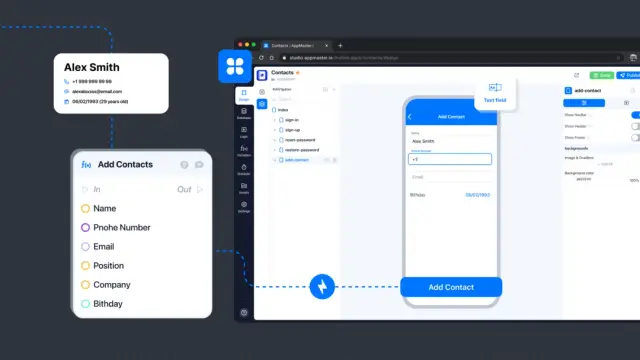
Furthermore, AMP's focus on delivering a superior mobile browsing experience aligns with the growing trend of mobile-first web design, supporting the no-code movement's broader goal of making software and site-building accessible to everyone.
As mobile internet usage continues to grow, AMP's role in shaping the future of the mobile web remains significant. Here are some potential future developments and trends we may see in AMP and the mobile web arena:
One key aspect of AMP's future will be optimizing the mobile browsing experience. This may involve expanding the range of web technologies and features supported by AMP, allowing developers to create even more engaging and dynamic content while maintaining fast-loading pages.
AMP's integration with emerging web technologies, such as Progressive Web Apps (PWAs), could further enhance the mobile web's capabilities. By combining AMP's speed-focused framework with the offline capabilities, push notifications, and app-like experiences offered by PWAs, developers can create even richer and more engaging mobile experiences for users.
As awareness of AMP's benefits grows, more businesses and developers may adopt the framework to improve the performance of their mobile content. This means that more mobile web pages will become faster and more accessible to users across various devices and connection types.
As no-code development platforms like AppMaster continue to gain popularity, we can expect to see deeper integration of AMP into these tools. This could lead to even more non-technical users creating high-performing mobile web pages easily and without extensive programming knowledge.
As AMP solidifies its position in the mobile web industry, it's essential to consider potential competition and alternative solutions focusing on mobile performance optimization. These alternatives could lead to a healthy ecosystem where multiple frameworks and tools compete to accelerate mobile web page loading times and enhance user experience.
In conclusion, the future of AMP and the mobile web is promising due to the growing importance of mobile internet usage and the demand for fast-loading, engaging mobile web content. By continuing to optimize and evolve, AMP can play a crucial role in transforming the mobile web experience for users, developers, and businesses alike.
 What are Accelerated Mobile Pages (AMP)?
Accelerated Mobile Pages (AMP) is an open-source framework designed to improve the performance of web content on mobile devices, making pages load faster and providing a better browsing experience for mobile users.
Why is AMP important for mobile browsing?AMP is important because it reduces page load time on mobile devices, improving user experience, increasing engagement, and potentially impacting search engine rankings for mobile-friendly content.
What are the benefits of adopting AMP?Adopting AMP offers benefits like faster page load times, improved user experience, better search engine rankings, and increased ad revenue for content creators and publishers.
What challenges does AMP face?Challenges faced by AMP include limited support for some web technologies, the potential for content piracy, and the reliance on Google's caching for faster performance.
How does AMP relate to the no-code movement?AMP supports the no-code movement by enabling non-technical users to create fast-loading mobile web pages without needing extensive coding knowledge. Platforms like AppMaster can help users build mobile web apps leveraging AMP technology.
What is the future of AMP and mobile web?The future of AMP is likely to involve further optimization for mobile devices, deeper integration with web technologies, and wider adoption among web developers and businesses as a key component of their mobile web strategies.
Experiment with AppMaster with free plan.
When you will be ready you can choose the proper subscription.
 Jul 14, 20268 min
 Jul 13, 20268 min
 Jul 08, 20268 min