
 Oct 04, 2024
 1 min
1 minAppMaster at BubbleCon 2024: Exploring No-Code Trends
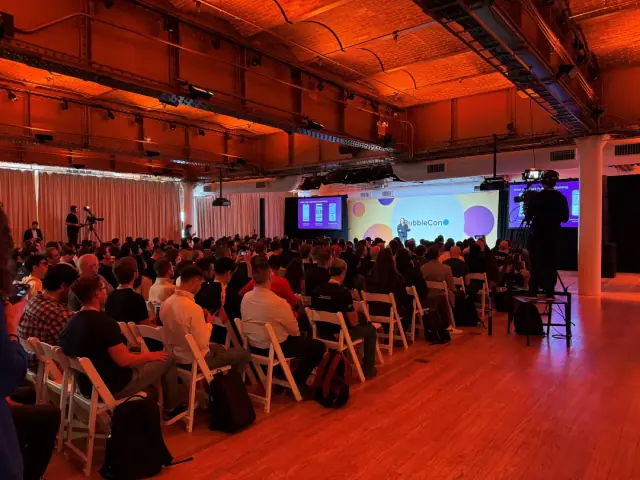
AppMaster participated in BubbleCon 2024 in NYC, gaining insights, expanding networks, and exploring opportunities to drive innovation in the no-code development space.

OpenAI presents DALL-E 3, an advanced rendition of its AI image creator that integrates its popular chatbot, ChatGPT.
OpenAI, a leader in advanced artificial intelligence, announces the introduction of its upgraded version DALL-E 3. This advanced rendition of the company's text-to-image tool integrates ChatGPT, OpenAI's prevalent AI chatbot, to streamline and modify the process of image prompting.
Major AI-based image-generation tools operational at present turn prompts or image descriptions into an array of artworks with multiple styles, from photorealistic to fantasy. However, the challenge lies in the development of a fitting prompt, which has spurred the emergence of 'prompt engineering' as a commendable profession.
DALL-E 3 revolutionizes this process by implementing ChatGPT to aid in improving prompts. Subscribers to ChatGPT Plus and ChatGPT Enterprise can leverage this tool by submitting their image requests and fine-tuning them through discussions with the chatbot. In doing so, they receive the refined results directly within the chatting application.
ChatGPT has the capability to expand prompts as short as a few words, making them more descriptive and providing improved directions to the DALL-E 3 model. This isn't the only perk that comes with DALL-E 3; it also generates high-quality images that better represent prompts. This is particularly noticed when dealing with longer prompts and handling contents that have previously rattled image-generating models like textual content and human hands.
The upgraded version also introduces new mechanisms to decrease algorithmic bias and enhance safety, according to OpenAI. For instance, it will reject requests asking for images in the style of current artists or representations of famous individuals. Moreover, artists now hold the choice to opt out of having all or specific parts of their artwork utilized in training future renditions of OpenAI's text-to-image models. This decision is particularly noteworthy in light of the pending lawsuits that OpenAI and some of its competitors are facing for alleged usage of copyrighted artwork from artists to train their AI image models.
The unveiling of DALL-E 3 is in-sync with the intensifying competition in the AI generative field, particularly in the sphere of image synthesis. Rivals like Midjourney and Stability AI are persistently refining their image-generating models, keeping OpenAI on its toes.
DALL-E 3 is set to be rolled out to premium ChatGPT users in October, followed by research laboratories and API customers. OpenAI has remained silent regarding its plans for launching a free web tool similar to its previous DALL-E models.
Such advancements in AI image generation could benefit no-code platforms like AppMaster. With its robust no-code tool, AppMaster users could potentially integrate these next-level AI capabilities, facilitating the process of app creation and backend development. If integrated correctly, this could open up new possibilities for visual app design, all available through no-code solutions.
 Oct 04, 20241 min
 Sep 23, 20241 min
 Aug 08, 20241 min
Experiment with AppMaster with free plan.
When you will be ready you can choose the proper subscription.


