


 Jul 14, 2026
 8 min
8 minEquipment reservation app: prevent conflicts and track returns
Plan an equipment reservation app that prevents double bookings, records returns and damage, and places faulty items on maintenance hold.

Discover the crucial questions every small business owner should consider before diving into the app development process, including costs, design, target audience, and ROI.

In today's rapidly growing technological environment, having a mobile app for your small business can bring numerous benefits. As mobile usage continues to rise, adopting a mobile-first approach is crucial to staying competitive. Listed below are a few reasons why small businesses should consider developing a mobile app:
Considering these benefits, it's clear that mobile apps can play an essential role in your small business's growth and success. However, before diving into the development process, it's necessary to carefully plan and clarify the app's purpose and objectives.
Before embarking on the app development journey, it's crucial to identify your goals and objectives. These will serve as a compass, guiding the development process and ensuring that your mobile app aligns with your small business's needs and vision. Consider the following questions when defining your app's goals and objectives:
Once you've clearly defined your app's goals and objectives, you'll be better equipped to make critical decisions regarding its design, features, and overall development process.

Understanding your target audience is fundamental to the success of your mobile app. A deep knowledge of your potential users will help you tailor your app's features, functionality, and design to their preferences and needs. Consider the following factors when identifying your target audience:
By extensively researching and understanding your target audience, you can make informed decisions throughout the app development process, resulting in a more successful and user-centric mobile app for your small business.
Before beginning the mobile app development process for your small business, it's essential to decide the type of app you need. There are three main types of mobile applications: native, web, and hybrid.
To decide which type of app is best suited for your small business, consider factors such as your target audience, required device features, budget, and maintenance needs. If you prioritize a seamless and optimized user experience with full access to the device's features, a native app is your best choice. If you need a quicker and more cost-effective solution without requiring advanced device features, a web app might be suitable. A hybrid app is an excellent compromise when you want a multi-platform solution with some device features and a more reasonable budget.
Once you've determined the type of app you want to develop, the next step is to identify the features and functionality required for your mobile app. The features you include should align with your business goals and objectives while providing value to your customers.
Start by listing the critical features that address your user's needs and those that aid in achieving your business goals. For example, an e-commerce app should include product listings, payment gateways, and user account management. A service-based business may require booking functionality, customer feedback, and appointment scheduling.
When defining your app's features, always consider the user experience (UX) and ensure the app is intuitive, easy to navigate, and visually appealing. Keep in mind that you may want to adopt a minimum viable product (MVP) approach, launching an app with essential features and then iterating based on user feedback.
Ultimately, the features and functionality in your small business mobile app should complement and enhance your overall business strategy, providing users with a valuable and memorable experience.
With a clear understanding of the app type and features, your next critical decision is identifying who will develop your mobile app. Generally, you have three options to consider:
The choice of app developer will depend on your budget, technical expertise, and desired level of control over the development process. By carefully considering these factors, you'll be better prepared to make an informed decision and embark on your mobile app development journey.
Determining the cost of developing a mobile app for a small business depends on several factors, leading to a wide range in pricing. Below are some of the main aspects that impact the cost of app development:
Native apps, web apps, and hybrid apps each have different development costs. Native apps, built specifically for either iOS or Android, generally have higher overall costs due to platform-specific development needs. Web apps are more affordable, running on web browsers and requiring no platform-specific development. Hybrid apps, which are a combination of native and web apps, are also relatively cost-effective, as they leverage a single codebase for multiple platforms.
An app's features and functionality significantly impact development costs. For example, a simple informational app with limited features will likely cost less to develop than a complex e-commerce app with payment processing, inventory management, data synchronization, and advanced user interfaces.
The design and UX of a mobile app play a vital role in the overall cost. Custom-made designs and powerful user experiences can increase the price, while template-based designs and standard UX elements may be more budget-friendly.
The location of your development team also impacts the overall costs. Development teams in major technology hubs or countries with higher living costs typically have higher hourly rates. Outsourcing app development to teams in other, more affordable regions can help lower costs, but communication and time zone differences could present challenges.
The time it takes to develop an app and the resources required during the process will also affect the cost. Longer development times can result in higher costs, especially if employing a larger development team. Given these factors, the cost of developing a small business mobile app can range from a few thousand dollars for a basic, template-based web app to hundreds of thousands of dollars for a complex, custom native app.
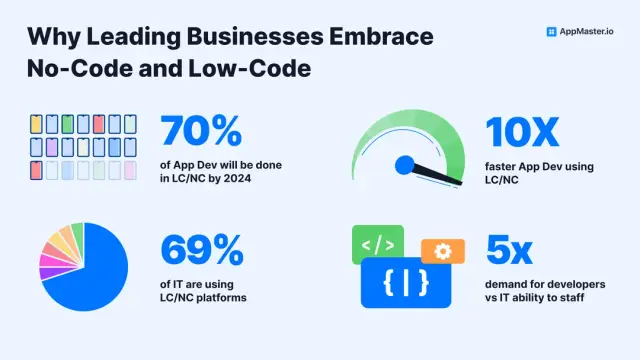
No-code and low-code app development platforms like AppMaster can significantly lower the costs of development for small businesses, while also speeding up the time-to-market and offering more control over the app's features and design.
There are several monetization strategies available for small businesses looking to generate revenue from their mobile apps. The right approach depends on the app's target audience, the business model, and the overall goals of the app. Popular monetization methods include:
In-app purchases allow users to buy additional features, services, or goods within the app, which can include virtual goods, premium content, or physical products. This method works well for apps offering a range of functionalities, digital products, or e-commerce services.
Subscription-based models provide access to premium features, exclusive content, or add-ons in exchange for a recurring fee. This works well for apps that offer continuous value over time, such as news services, streaming apps, or productivity tools.
Offering a free basic version of the app with limited features and a paid premium version with full functionality is another monetization strategy. This approach can encourage users to upgrade for enhanced capabilities. It's essential to ensure that the premium features justify the additional expense for the user.
Displaying mobile ads within the app can generate revenue based on ad impressions or clicks. This is particularly effective for apps with a high volume of user engagement or those with a large user base. However, ads can also detract from the user experience if implemented poorly.
Collaborating with sponsors or forming partnerships with other businesses can provide additional revenue opportunities through co-branded content, app-exclusive offers, or affiliate revenue. Choosing the right monetization strategy will depend on your specific app's nature, target audience, and overall goals. However, an effective approach often combines multiple monetization methods to maximize revenue streams.
A well-executed marketing and promotion strategy is crucial for the success of your small business mobile app. Without proper planning, even the most feature-rich and well-designed app can go unnoticed in the crowded app marketplace. Consider incorporating the following strategies to increase visibility and user acquisition:
App Store Optimization is the process of improving an app's visibility and discoverability within the app stores (Apple App Store and Google Play Store). This involves optimizing app titles, descriptions, keywords, icons, screenshots, and ensuring positive reviews to increase search rankings.
Leveraging social media platforms like Facebook, Twitter, and Instagram can help create buzz around your app, increase brand awareness, and reach potential users in targeted demographics. Share engaging content, promotional offers, behind-the-scenes sneak peeks, and user-generated content to encourage app downloads.
Promote your app through content marketing, such as blogging, guest posts, press releases, and influencer partnerships. Establishing relationships with influential figures in your industry can help amplify your app's exposure and reach a broader audience.
Encourage users to invite friends or share your app on social media by offering in-app incentives like loyalty points, discounts, or rewards. This can help grow your user base organically and create a sense of community.
Investing in search engine marketing (SEM) and display ads can help boost your app's online presence and visibility. Targeted ads can reach potential users interested in your product or service and drive downloads.
Another way to increase your app's exposure is by having it featured or reviewed on popular app review websites, blogs, and podcasts. Reach out to industry influencers and submit your app for consideration.
Ultimately, the marketing and promotion strategy that works best for your mobile app will depend on your specific goals, target audience, and budget. Implementing a combination of methods and continually measuring the effectiveness of each strategy will help maximize your app's visibility and downloads.
Once your small business mobile app is developed and launched, it's crucial to measure its success and return on investment (ROI). Tracking key performance indicators (KPIs) will help you understand which areas need improvement or optimization so that you can prioritize updates and changes to your app. Here are some important KPIs to measure the success of your mobile app:
Developing a mobile app for your small business can be an impressive opportunity for growth and customer engagement. By addressing the key questions outlined in this article, you can make informed decisions about your app's design, functionality, target audience, development, and marketing strategies.
Consider using a no-code platform like AppMaster.io for rapid and cost-effective app development. With its intuitive app-building capabilities, you can create mobile apps tailored to your business needs while reducing project costs and maximizing return on investment. Taking the time to carefully plan and research the mobile app development process for your small business will ensure you create an app that offers value to your customers, meets your objectives, and contributes to the long-term success of your business.
 What types of mobile apps can be developed for small businesses?
Small businesses can build various mobile apps, such as e-commerce, scheduling, booking, loyalty programs, on-demand services, and more, depending on their needs.
What is the difference between native, web, and hybrid apps?Native apps are developed specifically for a particular platform (iOS or Android), offering a better user experience and performance. Web apps are accessible via web browsers, have a lower development cost, and are easier to maintain. Hybrid apps combine the best of both native and web apps, allowing development for multiple platforms using a single codebase.
What are the crucial factors to consider before developing a mobile app for a small business?Key factors include the app's goals and objectives, target audience, type of app (native, web, or hybrid), necessary features and functionality, development team, costs, monetization, marketing strategy, and success measurements.
How much does it cost to develop a mobile app for a small business?The cost to develop a mobile app depends on various factors such as complexity, features, development time, geographic location of the development team, and whether it is a native, web, or hybrid app. App development costs can range from a few thousand to several hundred thousand dollars.
How can a small business monetize their mobile app?Monetization strategies include in-app purchases, subscription-based models, premium app features, mobile advertising, and sponsorship partnerships.
Which platform should you choose for your small business mobile app: iOS or Android?The choice between iOS or Android depends on your target audience, their preferences, and market research. Generally, iOS users tend to spend more and are more tech-savvy, while Android has a broader user base globally.
Do small businesses need to have a website before developing a mobile app?Although it's not a requirement, having a website before developing a mobile app is beneficial for several reasons, including improving SEO, increasing brand awareness, and providing a customer touchpoint for app download and installation.
How can a small business measure the success of their mobile app?Key success metrics for mobile apps include app downloads, user engagement, churn rate, average revenue per user, and customer feedback. Constant evaluation and improvements are essential for long-term app success.
Experiment with AppMaster with free plan.
When you will be ready you can choose the proper subscription.
 Jul 14, 20268 min
 Jul 13, 20268 min
 Jul 08, 20268 min