


 Jul 14, 2026
 8 min
8 minEquipment reservation app: prevent conflicts and track returns
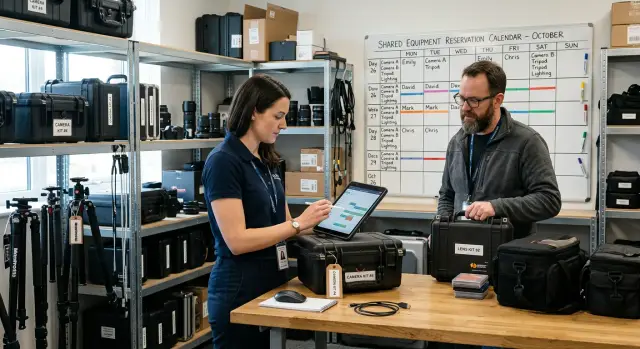
Plan an equipment reservation app that prevents double bookings, records returns and damage, and places faulty items on maintenance hold.

Explore how Java and no-code platforms, such as AppMaster, can revolutionize application development, increasing efficiency, scalability, and accessibility. Embrace the Java and no-code synergy.
Java has been a dominant force in software development for decades, known for its portability, scalability, and extensive library of libraries and frameworks. Its versatility and reliability make it an ideal choice for enterprise applications, web services, and mobile development.
Meanwhile, no-code platforms have gained traction thanks to their ability to democratize application development, enabling users to create feature-rich applications without requiring coding expertise. Combining the strengths of Java with no-code platforms can yield remarkable results in application creation. Java’s power can be harnessed within a no-code environment, providing a solid foundation for building resilient and scalable applications.
Simultaneously, no-code platforms can mitigate the steep learning curve of mastering Java and streamline development without sacrificing capabilities. Employing Java in conjunction with no-code platforms offers developers the best of both worlds: access to the rich features, strong typing, and outstanding performance of Java, coupled with the simplicity and rapid development times offered by no-code tools.
Integrating Java into no-code applications can offer several advantages, enhancing the capabilities and customizability of the resulting solutions.
Java is known for its efficiency and performance. By integrating Java components within no-code applications, developers can better optimize the end product, ensuring it responds well under high loads, scales efficiently, and minimizes resource usage.
No-code platforms often provide an extensive set of out-of-the-box functionalities, but they may not always cater to specific use-cases or business requirements. Java integration can help bridge this gap by enabling developers to create custom components and extend the platform’s capabilities with tailored solutions.
Organizations with substantial Java investments may prefer leveraging their existing Java codebases and tools when building new applications. Using no-code platforms that support Java integration can help these organizations maintain technology consistency and ease the learning curve for developers.
Java's security features can also contribute to the safety of no-code applications, especially when dealing with critical components, data handling, and authentication processes.
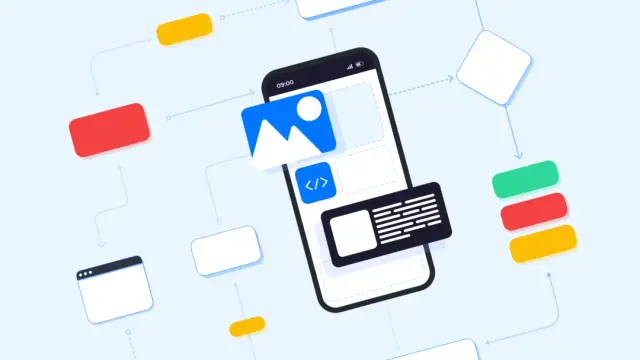
The synergy of Java and no-code platforms opens up new avenues for application development and offers developers the following benefits:
Fusing Java and no-code platforms offers many advantages that can help revolutionize how developers create applications. By leveraging both technologies' strengths, it's possible to craft high-quality solutions that are cost-effective, scalable, and capable of meeting diverse business demands.
Combining Java and no-code development becomes a truly powerful synergy with platforms like AppMaster. AppMaster is a comprehensive no-code platform that allows developers to create backend, web, and mobile applications without writing a single line of code. Despite the platform's no-code nature, it still supports integration with Java and other programming languages, ensuring efficient and scalable application development.
AppMaster stands out in the no-code market for its ability to generate backend components with Go, a modern, statically typed programming language. Go offers major advantages like high-performance computing, compile-time safety checks, and better scalability. This allows for the development of powerful applications that can handle high traffic and complex data structures.
Another unique aspect of AppMaster is its flexibility to work seamlessly with Java-based applications and libraries. By leveraging Java's libraries and frameworks, developers can easily extend and optimize their solutions on the platform. This provides substantial added value, efficiency, and time-saving benefits for users.
Moreover, AppMaster offers various subscription plans, including a free trial where users can explore the platform, and tailored plans for different organization sizes, such as startups, businesses, and enterprises. This makes it accessible to everyone, from small businesses to large enterprises.
Over 60,000 users trust the AppMaster platform to build their applications and services. It has consistently been recognized as a High Performer and Momentum Leader in the No-Code Development Platforms category by G2 Crowd.
It's crucial to ensure that Java components are well-integrated within your no-code platform. By doing so, you'll maximize the benefits java provides in terms of stability, performance, and expandability. Here are some ways to optimize the integration of Java elements in a no-code environment:
By optimizing Java elements within your no-code platform, you'll not only improve the performance and flexibility of your application, but also create a more seamless development experience for both experienced and novice users alike.
For developers with a Java background, transitioning to a no-code platform might seem challenging. But, with the right mindset and approach, reaping the benefits of Java and no-code becomes much simpler. Here are some tips for a smooth transition from Java to no-code development or blending the two approaches:
By understanding the principles of no-code platforms and leveraging your Java expertise, you can create innovative, efficient, and scalable applications that cater to the evolving needs of the modern business world.
When creating seamless and efficient application workflows, tapping into the combined power of Java and no-code development platforms can make a significant impact. By leveraging your Java know-how and utilizing no-code platforms like AppMaster, you can develop more effective workflows, enhance application performance, and reduce maintenance efforts. In this section, we'll discuss various ways Java can be used within no-code platforms to supercharge workflow creation and optimization.
One of the most significant advantages of using Java with no-code platforms is accessing and integrating Java libraries to extend the functionality of your no-code applications. You can import libraries and utilize pre-built Java code snippets, accelerating development time and improving the performance of your workflows. For instance, Java libraries like Apache Commons, Google Guava, and JavaFX can be integrated into your no-code app to add advanced features or highly specific functionality that might not be available out-of-the-box on a no-code platform.
While no-code platforms provide a wide variety of components, there might be cases where you need to create custom components to address unique requirements or functionality beyond the scope of the platform. In such scenarios, Java knowledge can be leveraged to build customized components. By creating reusable custom components with Java, developers can tailor no-code apps to meet their precise specifications. This flexibility allows the seamless implementation of intricate workflows while maintaining the user-friendly nature of a no-code platform.
Java's reputation for high-performance, scalability, and reliability directly contributes to optimizing workflows within no-code applications. You can harness the efficiency of Java code to enhance the performance of your no-code app components, improving load times, data processing rates, and user experience. Furthermore, by utilizing Java-based tools and libraries, developers can profile and analyze the performance of their no-code workflows, identify areas of improvement, and make necessary changes to ensure optimal results.
An essential aspect of creating effective workflows is ensuring that your no-code app can seamlessly communicate with other systems and services. Java benefits no-code developers by providing a wealth of libraries and frameworks that facilitate easy integration with various platforms, APIs, and databases. For instance, integrating a Java-based app with a customer relationship management (CRM) system like Salesforce.com or an enterprise resource planning (ERP) system like SAP makes it substantially easier to synchronize information across multiple platforms. As a result, you can automate and streamline your workflows while promoting efficient data exchange between systems.
Transitioning from Java development to no-code platforms might initially seem challenging, but the learning curve is relatively minimal. By understanding the fundamental concepts of no-code platforms and reusing your Java expertise, you can quickly adapt and integrate your knowledge into the no-code development environment.
Platforms like AppMaster offer an intuitive and accessible interface that allows developers to create applications without upfront coding. Java developers can leverage their expertise to optimize their solutions further, making the transition from traditional coding to no-code development both seamless and advantageous.
Fusing Java and no-code technologies unleashes immense potential for streamlined application development. By utilizing the strengths of Java within a no-code platform, you can develop highly effective, efficient, and reliable workflows that boost productivity and improve the application experience. Embrace the synergy between Java and no-code platforms, and elevate your app development process with the power of both worlds.
 Why combine Java and no-code for app creation?
Combining Java and no-code platforms offers greater efficiency, scalability, and flexibility in application development, making it easier for developers and non-developers to create feature-rich, high-performance applications.
How does Java enhance no-code applications?Java can be integrated within no-code platforms, allowing for greater customization, extension, and optimization. Additionally, Java's reliability and performance can help improve the overall quality and efficiency of the no-code applications.
What benefits can the combination of Java and no-code provide?The combination of Java and no-code boosts productivity, lowers development costs, enables quicker time to market, and facilitates easier maintenance and adaptation of applications to changing requirements.
How does AppMaster integrate Java and no-code technologies?AppMaster is a no-code platform that works well with Java-based applications and generates backend components with Go, ensuring efficient and scalable application development. Moreover, it allows seamless integration of Java elements and lets developers optimize their solutions.
Can I use Java within the no-code platform?Yes, with platforms like AppMaster, you can optimize and integrate Java elements within your no-code application, providing you with a seamless development experience.
What is the difference between low-code and no-code platforms?Low-code platforms require minimal coding skills and offer a visual development environment, whereas no-code platforms eliminate the need for coding entirely, providing a fully visual, drag-and-drop interface for building applications.
How can I transition from Java to no-code development?To transition from Java development to no-code, start by understanding the basics of no-code platforms and try out user-friendly tools like AppMaster. You can then leverage your Java expertise to extend and optimize your no-code apps.
How can I use my Java skills to create more effective workflows with no-code?By leveraging your Java know-how, you can develop more efficient and flexible workflows within a no-code environment. This includes building custom components, optimizing performance, and extending the functionality of your no-code application.
Experiment with AppMaster with free plan.
When you will be ready you can choose the proper subscription.
 Jul 14, 20268 min
 Jul 13, 20268 min
 Jul 08, 20268 min