


 Jul 14, 2026
 8 min
8 minEquipment reservation app: prevent conflicts and track returns
Plan an equipment reservation app that prevents double bookings, records returns and damage, and places faulty items on maintenance hold.

Explore the advantages of cloud-based ERP systems for businesses of all sizes. Learn how these systems contribute to improved collaboration, data security, and cost savings.
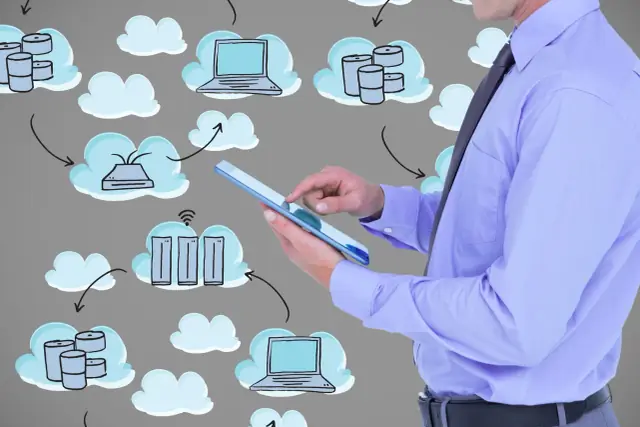
Enterprise Resource Planning (ERP) systems play a crucial role in modern businesses, integrating various aspects of a company's operations under one umbrella. Traditional ERP systems, which are built and maintained on-site, have long been a popular choice for managing business processes. However, with the rapid advancements in technology and the growing demand for flexibility, scalability, and better collaboration, cloud-based ERP systems have taken center stage.
A cloud-based ERP system operates on the internet, utilizing a Software as a Service (SaaS) model. This means that all the essential data and processes are stored and managed remotely in the cloud, allowing users to access the system anytime, anywhere, and from any device with internet connectivity. Cloud ERP solutions offer numerous advantages over traditional on-premise systems, including increased security, lower total cost of ownership (TCO), and improved collaboration. In this article, we'll explore how cloud-based ERP systems impact businesses by streamlining processes, enhancing scalability and flexibility, and promoting better collaboration among team members.
One of the primary advantages of implementing a cloud-based ERP solution is its ability to streamline business processes. By centralizing business data and automating various tasks, organizations can improve productivity and reduce the risk of errors caused by manual data entry. Here are a few ways cloud ERP systems help in streamlining business processes:

Scalability and flexibility are two crucial factors that businesses consider when choosing an ERP system. A cloud-based ERP solution eliminates the need for large upfront investments in hardware and software, making it more scalable and flexible than a traditional on-premise system. Here are a few benefits of leveraging the scalability and flexibility of cloud ERP systems:
As a business grows and evolves, it is necessary to keep pace with changing requirements. With cloud ERP systems, organizations can easily scale up their operations without needing to invest in additional hardware or infrastructure. The system can handle the growth in storage, computational power, and other resources, without causing disruption to the existing processes.
Cloud ERP solutions allow businesses to allocate their resources dynamically, meaning they can scale up or down based on their current needs. This ensures that organizations don't waste resources on unused capacity, reducing overall operational costs. Moreover, dynamic resource allocation encourages businesses to be more agile and adaptable, enabling them to pivot their operations when needed.
One of the key benefits of cloud ERP systems is the speed at which the system can be deployed and updated. Unlike traditional on-premise solutions, where implementing a new module or an update requires significant time and effort, cloud ERP providers can roll out updates and new features remotely. This ensures that businesses always have access to the latest technological advancements and can adapt to new market trends and requirements.
Cloud-based ERP systems provide a multitude of benefits that help businesses streamline their processes, scale efficiently, and adapt to evolving market demands. By leveraging the power of the cloud, organizations can focus on their core competencies and drive growth, unburdened by the constraints of traditional ERP systems.
One of the primary advantages of cloud-based ERP systems is the enhanced security and backup measures they offer. Data security is a top priority for businesses, as it helps protect sensitive information and maintain business continuity in case of a catastrophic event or data breach. Cloud ERP providers take stringent measures to safeguard your data by employing multiple layers of security, including encryption, firewalls, and intrusion detection systems.
Although on-premises ERP systems can also provide powerful security measures, they often require a significant investment in IT infrastructure and personnel to manage and maintain these safeguards. In contrast, cloud ERP providers assume the responsibility for data security, which enables businesses to focus on their core competencies and allocate resources more efficiently.
Apart from security, backup and disaster recovery solutions are also critical for business continuity. Cloud-based ERP systems typically offer automated and redundant backup solutions that ensure your data remains protected and accessible even during unforeseen events. By relying on third-party experts to manage the backup process, businesses can reduce the burden on in-house IT teams and benefit from improved data recovery times.
Cloud-based ERP systems offer significant advantages in terms of cost savings and reduced IT complexity. Traditional on-premises ERP systems often require a significant upfront investment in hardware, software, and IT infrastructure. Additionally, the ongoing costs of maintaining, updating, and scaling these systems can be prohibitively expensive for many businesses.
On the other hand, cloud ERP solutions typically operate on a subscription-based pricing model, allowing businesses to pay for only what they use. This approach reduces the initial cost and long-term expenses, making cloud-based ERP systems more accessible and cost-effective, especially for small and medium-sized enterprises (SMEs).
Cloud ERP providers also assume responsibility for infrastructure maintenance, software updates, and application management. This outsourcing of IT tasks reduces the burden on in-house IT teams, enabling businesses to allocate resources more efficiently and focus on their core competencies rather than managing complex IT systems. Ultimately, this approach leads to lower total cost of ownership (TCO) and increased business agility.
Improved collaboration is another significant advantage offered by cloud-based ERP systems. By centralizing business data in the cloud, employees can access the information they need from anywhere and on any device, fostering better communication and decision-making across departments. This increased accessibility allows organizations to create a more agile and collaborative work environment.
Real-time analytics are also crucial for modern-day businesses. Having access to up-to-date information enables decision-makers to act swiftly and make informed choices based on current data. Cloud ERP systems excel at providing real-time analytics and reporting tools that help businesses monitor their operations and identify opportunities for improvement.
Moreover, cloud-based ERP systems often come with built-in integration capabilities, allowing businesses to seamlessly connect their ERP solution with other third-party software and applications. This enhanced connectivity further aids in improving collaboration and analytics by allowing organizations to consolidate data from various sources and derive actionable insights.
Platforms like AppMaster can further facilitate the development of cloud-based ERP solutions that integrate seamlessly with other business applications. By leveraging the benefits of no-code application development, businesses can create custom solutions tailored to their needs, resulting in enhanced collaboration and real-time analytics capabilities.
AppMaster, a powerful no-code platform, can play a vital role in building cloud-based ERP solutions tailored to your business needs. The AppMaster platform accelerates the development process, making it more efficient and cost-effective. The unique feature set offered by AppMaster has multiple advantages when it comes to creating and deploying ERP systems in the cloud:
AppMaster allows you to create data models, business processes, and application interfaces using intuitive drag-and-drop tools. Eliminating the need for extensive coding, users can create and modify software solutions with minimal technical expertise. This approach makes cloud ERP development more accessible to businesses of various sizes and industries.
Cloud ERP solutions must integrate seamlessly with various third-party services and applications to ensure smooth data exchange and interoperability. AppMaster enables businesses to develop powerful integrations with ease, streamlining the flow of data across different components of their organization.
AppMaster generates applications using cutting-edge technologies like Go, Vue3 (for web apps), and Kotlin (for mobile apps), ensuring high performance and responsiveness. Additionally, the platform enables organizations to deploy stateless backend applications, providing scalability and handling high-load use cases efficiently.
With the AppMaster platform, organizations can build cloud ERP solutions without accumulating technical debt. AppMaster regenerates applications from scratch whenever changes are made, ensuring that your software remains up-to-date and aligned with your business's evolving requirements.
AppMaster offers various subscription plans to cater to businesses with different needs and requirements. Enterprise-level customers can even obtain the source code for their applications and host them on-premises, offering a high degree of customization and control.
Choosing the appropriate cloud-based ERP solution has a significant impact on your organization's performance and overall success. Consider the following factors when selecting the right cloud ERP system:
Cloud-based ERP systems have become an essential component of modern businesses, offering numerous benefits such as improved collaboration, streamlined processes, enhanced security, and cost savings. AppMaster's no-code platform provides a powerful, flexible solution for organizations seeking to create and deploy tailored cloud ERP systems.
By considering your unique business requirements, evaluating potential solutions, and leveraging AppMaster's versatile capabilities, you can successfully implement a cloud-based ERP system that drives your organization's growth and success.
 What are the benefits of using a cloud-based ERP system?
Cloud-based ERP systems offer benefits such as streamlined business processes, improved collaboration, better data security, cost savings, and enhanced scalability.
How does a cloud-based ERP system help in streamlining business processes?Cloud ERP systems centralize business data, automate various tasks, and integrate different business processes, helping organizations to streamline their operations and improve productivity.
What are the advantages of a cloud-based ERP system in terms of scalability?Cloud-based ERP systems offer scalability and flexibility, allowing businesses to grow and adapt to changing needs without incurring large upfront investments or the need for extensive IT resources.
How does a cloud ERP improve data security?Cloud ERP providers typically offer robust security measures and backup solutions, ensuring data protection and minimizing the risk of data breaches or loss.
Why are cloud ERP solutions more cost-effective than traditional ERP systems?Cloud ERP systems help businesses save on upfront investments, IT infrastructure costs, and maintenance expenses. They often come with subscription-based pricing, which allows businesses to pay for only what they need.
How does a cloud-based ERP system enhance collaboration and provide real-time analytics?Cloud ERP solutions enable better collaboration by providing access to real-time data and analytics, fostering improved decision-making and communication across departments.
Can AppMaster help in building a cloud ERP solution?Yes, AppMaster's no-code platform can be utilized to build cloud-based ERP solutions, offering rapid development, cost-effective implementation, and seamless integration with other business applications.
How to choose the right cloud ERP system for a business?Selecting the right cloud ERP system involves evaluating factors such as business size, industry requirements, IT resources, and budget. It's also essential to compare different providers and features before making a decision.
Experiment with AppMaster with free plan.
When you will be ready you can choose the proper subscription.
 Jul 14, 20268 min
 Jul 13, 20268 min
 Jul 08, 20268 min