


 Jul 14, 2026
 8 min
8 minEquipment reservation app: prevent conflicts and track returns
Plan an equipment reservation app that prevents double bookings, records returns and damage, and places faulty items on maintenance hold.

Discover how zero-code tools and platforms like AppMaster are shaping the job market and future of work by enabling faster, more efficient app development.

Zero-code tools, also known as no-code tools, are software platforms designed to enable rapid application development by non-programmers, without the need to write any code. These tools empower individuals with little or no programming experience to create functional and customizable applications by utilizing visual interfaces, drag-and-drop components, and pre-built features. This democratizes app development and opens up new opportunities for people from various industries and backgrounds.
The rise of zero-code tools is spurred by the increasing demand for apps across the world and the recognition that building software solutions should not be limited to individuals who possess extensive coding knowledge. By simplifying the development process, zero-code tools allow anyone with an idea and the passion to turn it into a working application. Some of the key features of zero-code tools are:
It's essential to differentiate between zero-code and low-code tools, as they serve different purposes and target audiences. While both types of tools aim to accelerate the application development process, they differ in their approach and degree of programming knowledge required. Low-code tools target professional developers who want to build software applications more quickly and efficiently, often by using visual modeling tools and pre-built components to replace some manual coding tasks.
However, low-code platforms still require users to possess basic programming knowledge, as they often demand some level of manual coding to customize specific functionality. In contrast, zero-code tools focus on empowering non-programming users to create applications without writing any code at all. They achieve this by offering a completely visual interface with easy-to-use drag-and-drop features and pre-built components designed for individuals without coding skills or expertise. Key differences between zero-code and low-code tools include:
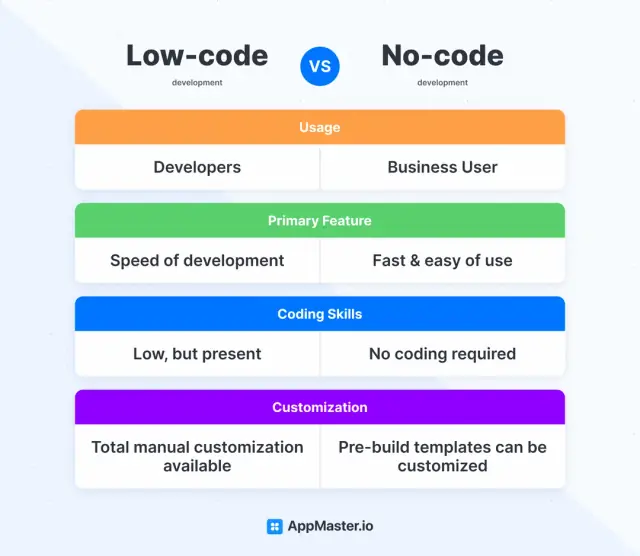
Zero-code tools have come a long way since their emergence. Initially, they were mostly associated with building simple websites and interactive widgets and had limited functionality compared to traditional development platforms. However, as technology evolved and the demand for user-friendly digital solutions increased, zero-code tools have grown to cater to a broader range of applications and industries.
Today's zero-code platforms now offer a diverse set of features and capabilities, enabling users to create not just websites but also mobile apps, backend systems, web portals, e-commerce platforms, and more. The ongoing development and improvement of these tools attest to the potential of zero-code solutions in transforming the digital industry. A few noteworthy advancements in the zero-code ecosystem include:
The evolution of zero-code tools has opened up new opportunities for individuals and businesses to embrace digital transformation, regardless of technical expertise or background. This democratization of app development will continue to shape the future of the tech industry and create new ways for people to innovate in the digital space.
Zero-code tools are making significant inroads in the tech industry, altering the way organizations develop software and conduct business. As these platforms gain traction, their influence on the job market becomes increasingly apparent. Here are some of the ways zero-code tools are shaping the employment environment:
Despite the potential displacement of some traditional software development roles, zero-code adoption also brings new job opportunities to the market. Here are some emerging roles in the zero-code space:
These individuals specialize in creating and maintaining applications using zero-code platforms. They are responsible for designing, implementing, and customizing solutions to fulfill business requirements using zero-code tools.
As more organizations adopt zero-code tools, there is a growing demand for trainers who can teach and guide users on how to effectively utilize these platforms. These trainers help individuals and teams become proficient in using zero-code tools to create functional applications.
Skilled in managing projects built on zero-code platforms, these professionals ensure successful project delivery, coordinate with stakeholders, and facilitate collaboration between team members who may have varying levels of technical expertise.
These experts provide strategic guidance on how to best leverage zero-code tools to address specific business challenges. They design and plan scalable, secure, and sustainable zero-code solutions while considering factors such as performance, cost, and integration with existing systems.
With the rise of zero-code app development comes the need for quality assurance analysts who specialize in evaluating the functionality and performance of these applications, ensuring they meet user and business requirements.
The zero-code revolution is fueling these emerging roles and paving the way for fresh opportunities in the tech sector. At the same time, it encourages existing software developers to explore more specialized fields or harness their skills to improve and expand the array of zero-code tools in the market.
One of the key players in the zero-code industry is AppMaster, a powerful no-code platform that enables users to create backend, web, and mobile applications through an intuitive drag-and-drop interface. The platform caters to a wide range of users — from non-technical individuals to experienced developers—by facilitating the creation of complex, feature-rich applications without the need for extensive programming knowledge.
AppMaster offers a comprehensive suite of tools that allow users to design data models, business processes, and user interfaces visually. This extensive functionality empowers users to create scalable solutions without having to rely solely on traditional software developers. AppMaster's approach to no-code app development speeds up the development process while ensuring that applications remain maintainable and free of technical debt.
In addition to its impressive set of features, AppMaster provides a range of subscription options, making it accessible to businesses of all sizes. From a free "Learn & Explore" plan ideal for new users testing the platform, to Business and Enterprise-level plans that allow for binary exports, source code, and on-premises hosting — AppMaster enables organizations to adopt zero-code solutions that meet their specific needs and budgets.
As a significant player in the zero-code ecosystem, AppMaster contributes to the transformation of the job market, empowering individuals to create applications without traditional coding skills. With an emphasis on ease-of-use and powerful functionality, platforms like AppMaster continue to shape the future of work and redefine the roles and opportunities within the tech industry.
As zero-code tools continue to revolutionize the application development industry and reshape the job market, it’s crucial for individuals and organizations to adapt and prepare for the changes that lie ahead. Here are some strategies to embrace the potential of zero-code platforms and thrive in the rapidly evolving digital environment:
Zero-code tools empower individuals to create software solutions without prior coding knowledge. Therefore, cultivating a problem-solving mindset is essential to effectively harnessing the potential of these platforms. This entails developing critical thinking skills, focusing on user needs, and being able to identify opportunities to build or improve applications that address specific challenges.
Although zero-code platforms drastically reduce the technical barrier to entry in the software development field, they still require some degree of expertise in relevant domains. For instance, understanding the principles of UX/UI design, data modeling, or project management can be advantageous when working with zero-code tools.
Continuously learning and upskilling will enable you to adapt to new technologies and methodologies that emerge with the growth and evolution of zero-code platforms. Online courses, workshops, webinars, and tutorials catered to zero-code tools like AppMaster can help you gain valuable insights and stay ahead in the game.
Businesses can use zero-code tools to streamline their application development process and foster rapid innovation. The ability to quickly test, deploy, and iterate applications without writing any code enables organizations to experiment with new ideas, gather user feedback, and validate their concepts in a more cost-effective and efficient manner. Utilizing zero-code platforms can help you evaluate the feasibility of new projects or features and accelerate your go-to-market strategy compared to traditional development approaches.
By adopting zero-code tools, you can empower your workforce to create software solutions without relying solely on dedicated software developers. Employees from various departments, such as marketing, finance, or human resources, can create custom applications or automate processes to address their specific needs. This democratization of application development can help encourage collaboration, increase organizational agility, and significantly improve operational efficiency as employees become self-sufficient problem-solvers.
The zero-code ecosystem is constantly growing and evolving as more platforms like AppMaster are introduced, existing ones are enhanced, and integrations with other tools increase. Staying up-to-date with industry trends, emerging technologies, and best practices will enable you to adapt to the changes in the zero-code industry. Joining online forums, subscribing to industry newsletters, and participating in virtual events or conferences can help you stay informed and maintain a competitive edge in the zero-code space.
In conclusion, zero-code tools are having a significant impact on the job market and the future of work. By fostering a problem-solving mindset, embracing continuous learning and upskilling, leveraging zero-code tools for rapid innovation, and democratizing application development within your organization, you can successfully navigate and thrive in the zero-code future.
 What are zero-code tools?
Zero-code tools are software platforms that allow individuals to create applications without any programming knowledge by utilizing visual interfaces, drag-and-drop components, and pre-built features.
How do zero-code tools differ from low-code tools?While both zero-code and low-code tools enable app development with minimal coding, zero-code tools are more focused on non-programmers, providing a completely visual interface, whereas low-code tools still require some coding skills, catering to professional developers.
What is the role of zero-code tools in the job market?Zero-code tools are changing the job market by introducing new roles and opportunities, reducing the need for traditional software developers, and empowering people without programming skills to participate in app development.
How do zero-code tools create new job opportunities?As businesses adopt zero-code platforms, new roles emerge, such as zero-code application developers, zero-code project managers, and zero-code platform trainers, who specialize in working with these practical tools.
Are zero-code tools threatening for software developers?Zero-code tools may reduce demand for some traditional software development roles, but they also encourage developers to focus on more complex tasks, innovation, and improving existing systems. Moreover, not all applications can be built solely with zero-code tools, leaving room in the market for skilled developers.
How does the AppMaster platform fit in the zero-code ecosystem?AppMaster is a powerful no-code platform for creating backend, web, and mobile applications using drag-and-drop features and visual interfaces. It empowers users to design data models, business processes, and UI components without coding knowledge, simplifying the app development process and contributing to the rise of zero-code tools in the market.
How can individuals and businesses prepare for the zero-code future?To adapt to the zero-code future, individuals should invest in learning how to use zero-code tools and foster a problem-solving mindset. Businesses can leverage these tools to streamline their app development processes, reduce costs, and empower their workforce to create solutions without relying solely on traditional software developers.
Experiment with AppMaster with free plan.
When you will be ready you can choose the proper subscription.
 Jul 14, 20268 min
 Jul 13, 20268 min
 Jul 08, 20268 min