


 Jul 14, 2026
 8 min
8 minEquipment reservation app: prevent conflicts and track returns
Plan an equipment reservation app that prevents double bookings, records returns and damage, and places faulty items on maintenance hold.

Explore the impact of zerocode platforms on user experience design, how they empower designers & non-technical professionals to collaborate and create, and the role of AppMaster in accelerating development.

The digital world is evolving at an unprecedented pace, leading to the emergence of new tools and technologies that make application development more accessible and efficient. One innovation that has gained significant attention in recent years is the zerocode (or no-code) movement. By offering an intuitive way for individuals with minimal or no coding experience to develop and design applications, websites, and more, zerocode platforms have the potential to revolutionize the way user experience (UX) design is approached and executed.
Zerocode platforms focus on making application development accessible to everyone, including those who may not have coding knowledge. This is achieved through easy-to-use interfaces, drag-and-drop capabilities, and pre-built components that eliminate the need for extensive coding expertise. As these platforms become more widespread, they are poised to redefine the role of UX designers and empower non-technical professionals to contribute to the design and development process.
At its core, UX design is about creating applications that fulfill user needs and ensuring that the overall experience is smooth and enjoyable. Employing zerocode platforms in UX design can help break down the barriers that may exist between technical and non-technical team members and facilitate the creation of user-centric products without the need for in-depth coding capabilities.
By leveraging the capabilities of zerocode platforms, UX designers can quickly create and prototype designs, experiment with different layouts, and gather feedback on their creations. The ability to rapidly iterate on designs enables the UX team to respond to input from users, stakeholders, and real-time data in a more effective manner, ultimately resulting in better-designed applications and experiences.

One of the most notable aspects of zerocode platforms is their potential to empower non-technical professionals, helping bridge the gap between coding experts and those who may have limited programming knowledge. By using zerocode tools, individuals without technical backgrounds can actively participate in the design and development process and contribute their insights and ideas. Zerocode platforms enable non-technical professionals to create functional applications and websites using visual interfaces, drag-and-drop functionality, and pre-built components, drastically reducing the time and effort required in traditional coding processes.
As a result, departments and team members who may not have coding expertise can actively contribute to the development of digital products, leading to more holistic and multi-disciplinary perspectives in the design process. This growth in collaboration and diversity of skill sets can result in more innovative and user-centric designs that cater to the needs of a broader range of users. By enabling non-technical individuals with design knowledge to participate in the development process, zerocode platforms have significant potential to reshape the way UX design is approached and executed in a wide variety of industries.
One of the most significant advantages of using zerocode platforms in the user experience design process is closing the gap between designers and developers. In traditional workflows, designers create mockups and hand them off to developers who implement the designs and bring them to life. This process can be time-consuming and lead to miscommunications, potentially affecting the final product's quality and consistency.
Zerocode platforms enable designers and developers to work together more closely by providing a shared environment where both parties can collaborate in real-time. Designers can create visual components and user interfaces, while developers can implement backend functionality simultaneously. With integrated environments, there is less room for misunderstandings, as both parties can see the changes and discuss them in real-time.
Moreover, zerocode platforms allow designers to develop and iterate on designs without needing to wait for developers to create a functional prototype. This enables quicker feedback loops and more frequent iteration, resulting in a better end product. By fostering close partnerships between designers and developers, zerocode platforms effectively streamline the UX design process, minimize errors, and enhance overall product quality.
AppMaster.io is a prominent player in the zerocode revolution, empowering users to accelerate UX design and create web, mobile, and backend applications without writing code. With its comprehensive features, rich functionality, and ease of use, AppMaster has emerged as an invaluable tool for designers and non-technical users alike. By leveraging AppMaster's visual drag-and-drop UI components and built-in templates, designers can create captivating, professional-looking interfaces.
The visual Business Process Designer simplifies the creation of intricate backend logic, while the REST API and WSS Endpoints ensure seamless connectivity between application components. AppMaster's collaborative environment enables efficient integration between UX design and development. It promotes real-time feedback and rapid prototyping, allowing designers and developers to iterate more frequently and deliver better-quality products faster.
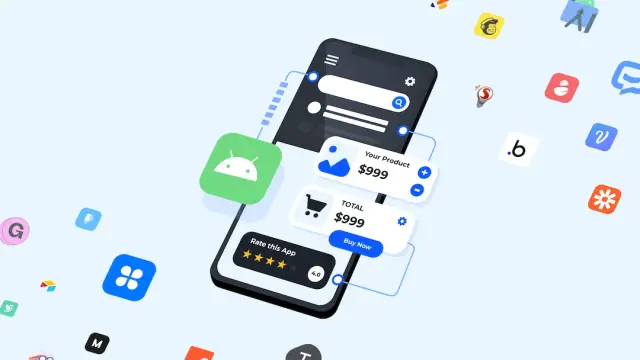
In addition to its time-saving capabilities, AppMaster automatically generates open API documentation and migration scripts, allowing for increased transparency and consistency. By regenerating applications from scratch whenever requirements are modified, technical debt is virtually eliminated. Overall, AppMaster has proven to be an excellent platform for accelerating UX design and streamlining the application development process.
Zerocode platforms bring numerous features to the table that can enhance the UX design process. Some critical features to look for in a zerocode solution for UX design include:
By evaluating potential zerocode platforms based on these key features, businesses can select a solution that best meets their UX design needs and accelerates the design process, resulting in faster time-to-market and increased competitiveness.
Zerocode platforms are transforming the world of user experience (UX) design by making it more accessible, efficient, and innovative. They offer numerous advantages in streamlining the design process and empowering non-technical professionals to create and iterate applications with ease. Some of the key benefits include:
With zerocode platforms, UX designers and non-technical professionals can work quickly to create and modify application designs without the need for extensive coding knowledge. Drag-and-drop interfaces, pre-built components, and visual editors enable rapid prototyping and iteration, accelerating the development process and reducing the time to market for digital products.
Zerocode platforms can help organizations save on development costs by eliminating the need for large in-house development teams or outsourcing work to external software development agencies. As non-technical professionals become more involved in the design process, businesses can allocate resources more efficiently and reallocate funds to other critical aspects of their operations.
Zerocode solutions facilitate collaboration between designers, developers, and non-technical professionals. These platforms bridge the gap between design and development, making it easier for team members with diverse skill sets to contribute to projects. Real-time collaboration tools, shared workspaces, and version control improve communication and reduce the potential for miscommunication or delays caused by isolated workflows.
Zerocode platforms enable designers to iterate on their designs with ease, incorporating user feedback and making changes based on real-world use cases. This iterative approach allows designers to identify and rectify potential issues before they become larger problems, resulting in a more effective and user-centric final product.
By removing the barrier of extensive coding knowledge, zerocode platforms democratize the UX design process, enabling a wider range of professionals to contribute to the creation of digital products. This increased accessibility fosters a more inclusive and diverse design ecosystem, allowing for a greater variety of voices, perspectives, and ideas to influence the development process.
Despite the numerous advantages of zerocode platforms, there are also challenges and limitations associated with their use in UX design. It is essential for organizations considering adopting a zerocode solution to be aware of these factors before making a decision:
Zerocode platforms may not always offer the level of customization or functionality required to meet specific design needs or business requirements. While these platforms continue to evolve and expand their capabilities, there may still be instances where traditional development methods are necessary to achieve desired results.
Organizations that rely heavily on a single zerocode platform risk vendor lock-in, potentially making it difficult to switch providers or migrate applications to other platforms in the future. This reliance can lead to challenges in terms of flexibility and adaptability, limiting an organization's ability to adapt to changing requirements or market conditions.
While zerocode platforms enable rapid development processes, they may also generate less efficient code than what a skilled developer could write. This can result in performance bottlenecks or slow loading times, negatively impacting user experience and overall application effectiveness.
Integrating zerocode solutions into existing systems or processes may not always be seamless, as not all platforms support every external service or integration. Additionally, implementing new technologies within an organization can be complex, requiring changes in workflows, training, and support structures.
To successfully embrace the zerocode revolution in UX design, businesses should take the following steps to prepare:
Assess your organization's existing design processes and determine if investing in a zerocode platform could streamline workflows, increase efficiency, and reduce costs. Consider whether your current approach involves extensive hand-coding and has potential bottlenecks or inefficiencies that could be addressed by adopting a zerocode solution.
Empower your team members by providing them with the necessary training and educational resources to effectively utilize zerocode platforms. By investing in ongoing education, businesses can ensure that employees feel confident in their ability to leverage zerocode technologies and create innovative designs.
There are numerous zerocode platforms on the market, each with its own unique set of features, capabilities, and target audiences. Research various options, hold demonstrations of potential platforms, and gather input from team members to determine the best fit for your organization.
Encourage collaboration between designers, developers, and non-technical professionals to create an inclusive environment where diverse skills and perspectives are valued. This can lead to more innovative solutions and a better understanding of user needs, ultimately improving the overall quality of UX design.
By taking these steps to prepare for the zerocode UX design revolution, organizations can seamlessly integrate this new approach into their workflows and unlock the many advantages that come with embracing this transformative technology.
The emergence of zerocode platforms has been a game-changer for the user experience (UX) design industry, as they enable non-technical professionals to contribute to the application development processes. By bridging the gap between designers and developers, zerocode solutions promote more accessible, user-centric, and fast-to-market digital products. In the future, we can expect zerocode platforms like AppMaster.io to continue empowering multidisciplinary teams to collaborate effectively. Designers, developers, project managers, and other stakeholders will be able to work together seamlessly and iteratively strive for a better user experience.
Moreover, zerocode platforms will likely contribute to more innovative, visually appealing, and interactive designs that cater to the ever-evolving digital environment. With the potential to reach various platforms, from websites to native mobile applications, UX design professionals will be able to tap into a reservoir of creative opportunities and adapt their offerings to different segments of the market. It is also expected that the increasing prevalence of zerocode solutions will stimulate new professional roles, such as UX designers who specialize in working with specific no-code and low-code platforms.
As a result, businesses will be able to capitalize on the versatility of zerocode technologies while also ensuring that their traditional UX design practices continue to thrive. Ultimately, the marriage of UX design and zerocode will lead to more agile development processes, a shorter time to market, and an overall improved user experience. By fostering a seamless collaboration between technical and non-technical professionals, zerocode promises to democratize the field of UX design and equip businesses with the tools they need to excel in an increasingly digital world.
Digital transformation will continue to drive demand for flexible, user-centric, and accessible applications. Zerocode solutions, coupled with state-of-the-art UX design methodologies, will facilitate this transformation and help businesses stay ahead in the rapidly evolving digital environment. By leveraging the power of zerocode platforms like AppMaster.io, businesses can elevate their UX design capabilities and ensure a bright, user-focused future for the industry as a whole.
 What is zerocode and how does it affect user experience design?
Zerocode refers to platforms that enable users with limited or no coding experience to develop and design applications or websites. These platforms streamline the user experience (UX) design process as they empower non-technical professionals to create, iterate, and deploy applications without needing extensive coding knowledge.
How do zerocode platforms empower non-technical professionals?Zerocode platforms enable non-technical professionals to develop applications using drag-and-drop functionality, visual interfaces, and pre-built components. This eliminates the need for deep coding knowledge, simplifies collaboration, and reduces the time and effort required to create digital products.
How does AppMaster.io contribute to the zerocode revolution in UX design?AppMaster.io is a powerful no-code platform that enables users to create backend, web, and mobile applications visually without writing any code. With its drag-and-drop interface, business process designer, and quick deployment, it makes UX design accessible, accelerates development, and reduces technical debt.
What are the benefits of using zerocode platforms in UX design?Zerocode platforms benefit UX design by speeding up development processes, lowering costs, increasing accessibility for non-technical professionals, enhancing collaboration between designers and developers, and promoting iterative design with real-time feedback.
What are the challenges and limitations of using zerocode platforms for UX design?Challenges and limitations of using zerocode platforms for UX design include potential limitations in customization and functionality, reliance on a single vendor, potential performance issues, and difficulties with integration and implementation.
What features should a zerocode solution offer for UX design?A zerocode solution for UX design should offer features such as drag-and-drop UI components, customizable templates and themes, real-time collaboration, platform compatibility, reusable components, scalability, and robust documentation.
Can zerocode platforms replace traditional UX design methods?Zerocode platforms complement traditional UX design methods and streamline processes. They're not meant to entirely replace conventional methods but bridge the gap between designers and developers while democratizing application development.
How can businesses prepare for the zerocode UX design revolution?Businesses can prepare for the zerocode UX design revolution by evaluating their current UX design processes, investing in education and training for employees, exploring available zerocode platforms, and embracing collaboration and diverse skill sets within their teams.
What does the future of UX design look like with zerocode?The future of UX design with zerocode platforms will likely see increased collaboration between non-technical professionals and developers, quicker prototyping and deployment, and more innovative, accessible, and user-centric designs on various platforms.
Experiment with AppMaster with free plan.
When you will be ready you can choose the proper subscription.
 Jul 14, 20268 min
 Jul 13, 20268 min
 Jul 08, 20268 min