


 Jul 14, 2026
 8 min
8 minEquipment reservation app: prevent conflicts and track returns
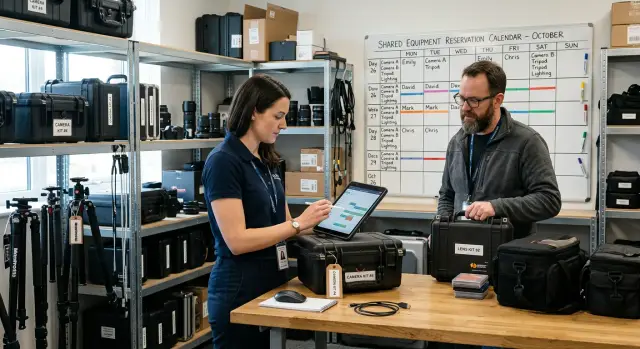
Plan an equipment reservation app that prevents double bookings, records returns and damage, and places faulty items on maintenance hold.

Learn how no-code technology empowers non-technical users to create custom software solutions.

The software development industry has been traditionally dominated by professionally-trained developers, creating an entry barrier for individuals without a technical background. But recent years have seen an uprising in the popularity of no-code platforms. These tools aim to make the software creation process more accessible and efficient for non-technical users, thereby democratizing software development.
The democratization of software development means opening up the world of software creation to a wider audience, breaking down the barriers imposed by the need for technical expertise. With no-code technology, individuals without a background in programming can now build functional applications and contribute to the world of software. This empowers businesses, non-profits, educational institutions, and individuals to rapidly design, develop, and deploy app solutions tailored to their specific needs, without hefty investments in developer resources.
The surge in popularity of no-code platforms can be attributed to multiple factors, including the need for custom, niche solutions, increased demand for diverse skill sets in the digital world, and the proliferation of user-friendly technology that simplifies complex tasks. As the digital industry continues to evolve and expand, the growth of no-code technology is expected to remain on an upward trajectory.
No-code tools offer a variety of features that make them suitable for developing custom applications while being user-friendly and accessible to individuals without programming expertise. Some of the key features of no-code technology include:
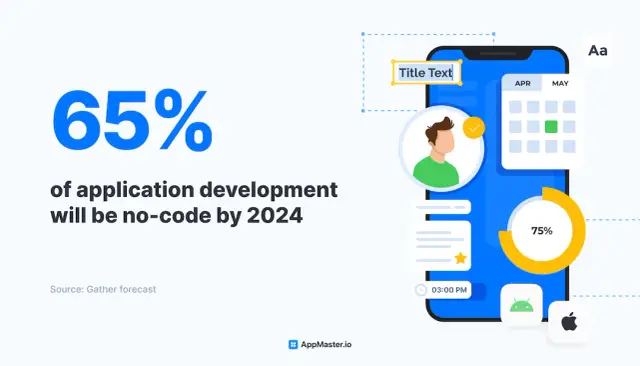
These crucial features come together to form a powerful and flexible toolset that empowers individuals without programming knowledge to develop their software solutions, contributing to a more inclusive and democratized software development process.
One notable no-code platform that has gained traction in recent years is AppMaster. Founded in 2020, AppMaster is a comprehensive, integrated development environment (IDE) designed to simplify and accelerate the process of building web, mobile, and backend applications. Built for businesses of all sizes, the AppMaster platform is centered around visual tools that guide users through the development process, from designing data models and business logic to creating user interfaces and deploying cloud-ready applications.
With an emphasis on rapid application development, AppMaster eliminates technical debt by regenerating applications from scratch whenever requirements change, ensuring that every aspect of the software remains up-to-date and efficient. The AppMaster platform supports multiple programming languages and frameworks, including Go (golang) for backend applications, Vue3 for web applications, and Kotlin and Jetpack Compose for Android and SwiftUI for iOS. This versatility allows users to build and deploy custom applications across various platforms, catering to various use cases and business requirements. Key features of AppMaster include:
By providing users with an intuitive, accessible platform and powerful development tools, AppMaster plays a significant role in democratizing software development, empowering those without technical expertise to create comprehensive software solutions, tailored to their unique needs.
No-code development platforms offer several advantages and some limitations to consider. Understanding these can help businesses and individuals decide whether these tools are the right fit for their projects.
No-code platforms have been successfully applied in various industries and contexts, offering practical solutions to real-world problems. Here are some examples of how no-code technology is empowering users to create their software:
Organizations can use no-code platforms like AppMaster to create custom business applications, including project management tools, HR software, and resource planning systems. These applications can be tailored to the company's specific requirements, streamlining business processes and improving internal communication.
No-code solutions are ideal for customizing customer relationship management (CRM) systems to ensure they meet the unique needs of a business. With no-code tools, users can build custom fields, design custom layouts, and even create new CRM system modules.
No-code platforms empower users to build fully functional e-commerce websites with online storefronts, product pages, shopping carts, and secure payment processing. These responsive web applications can be customized to match a company's branding, enabling businesses to launch and manage online shops with minimal technical expertise.

No-code development tools can be used to create native mobile applications for iOS and Android, allowing users to build and maintain mobile apps without needing specialized mobile development skills or resources.
No-code tools simplify the process of automating repetitive tasks and streamlining workflows, making it easier for businesses to increase efficiency and productivity. Users can create custom workflows that trigger specific actions based on data inputs or events, reducing manual work and eliminating human error.
As no-code technology gains traction and continues to evolve, it is anticipated to impact the future of software development significantly. The democratization of app development will likely result in several trends and advancements:
No-code platforms have the potential to democratize software development by empowering non-technical users to create their applications and contribute to the ever-evolving world of technology. As these tools become more accessible and advanced, the future of democratized software development looks increasingly promising for businesses and individuals alike.
 What does "democratization of software" mean?
The democratization of software refers to the process of making software development accessible to a wider range of people, regardless of their technical expertise. It empowers individuals with non-technical backgrounds to create functional and useful software solutions.
What is the role of no-code platforms in the democratization of software?No-code platforms enable individuals with limited or no coding experience to design, build, and deploy software applications. These platforms provide visual interfaces and pre-built components, reducing the barriers to entry for software development.
How do no-code platforms work?No-code platforms allow users to create applications using a visual interface. Users can drag and drop components, define logic through simple configurations, and integrate with various data sources and APIs without writing code.
What types of applications can be built using no-code platforms?No-code platforms support a wide range of applications, from simple landing pages and mobile apps to complex business tools, dashboards, e-commerce platforms, and more.
Is no-code suitable for all types of software projects?No-code platforms are ideal for projects that don't require highly specialized or complex functionalities. While they might not replace custom-coded solutions for intricate software, they excel at creating functional and user-friendly applications.
Can no-code platforms handle integration with external systems and APIs?Yes, many no-code platforms offer integration capabilities through APIs and third-party connectors, allowing users to connect their applications with various services and data sources.
Are no-code applications scalable and maintainable in the long term?No-code applications can be scalable and maintainable, but their scalability might be limited compared to custom-coded solutions. It's important to consider the complexity of your project and evaluate whether no-code is the right fit.
Experiment with AppMaster with free plan.
When you will be ready you can choose the proper subscription.
 Jul 14, 20268 min
 Jul 13, 20268 min
 Jul 08, 20268 min