


 Jul 14, 2026
 8 min
8 minEquipment reservation app: prevent conflicts and track returns
Plan an equipment reservation app that prevents double bookings, records returns and damage, and places faulty items on maintenance hold.

Learn about effective scaling strategies, best practices, and essential tools for startups, and how companies like AppMaster can help streamline the process.

Scaling is an essential process that startups must go through to grow their ventures and achieve long-term success. While it's easy to get caught up in the excitement of rapid growth, scaling is not without its challenges. Startups often face several hurdles as they try to increase revenue without letting costs spiral out of control. Understanding these challenges is the first step to overcoming them. Some of the common challenges faced by startups during scaling include:
To tackle the challenges of scaling, startups should develop effective strategies that suit their unique needs and goals. Here are some key strategies to consider for achieving sustainable growth:
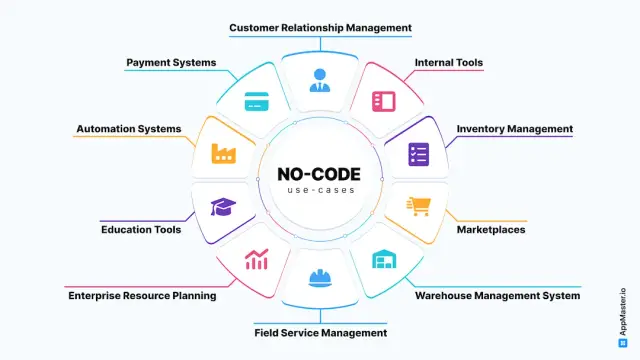
Implementing the above strategies may necessitate adopting best practices and leveraging essential tools that can facilitate efficient scaling. Here are some suggestions:
Harness the power of data analytics to make informed decisions about your operational, sales, and marketing strategies. Analyze customer behavior, preferences, and feedback to align your product and service offerings with their needs, thereby accelerating growth.
Adopt an agile approach to project management that encourages collaboration, communication, and iterative development. This will help your startup respond to changing market conditions and customer needs more quickly, enabling sustainable growth.
Equip your team with tools that streamline communication and collaboration. Platforms like Slack, Trello, and Asana can improve team productivity and coordination, ensuring that everyone is aligned with your scaling objectives.
Implement a CRM system like Salesforce or HubSpot to manage and analyze customer interactions and data. This will help you better understand your customer base, personalize your communication, and enhance the overall customer experience.
Leverage automation tools, such as Zapier or IFTTT, to automate tasks and workflows across your business applications. This will save your team valuable time, reduce manual errors, and increase efficiency.
As your startup scales effectively, it's crucial to remain adaptable and flexible while keeping your unique business goals and challenges in mind. By understanding the challenges, choosing the right strategies, and implementing best practices and essential tools, you'll be well on your way to achieving sustainable growth.
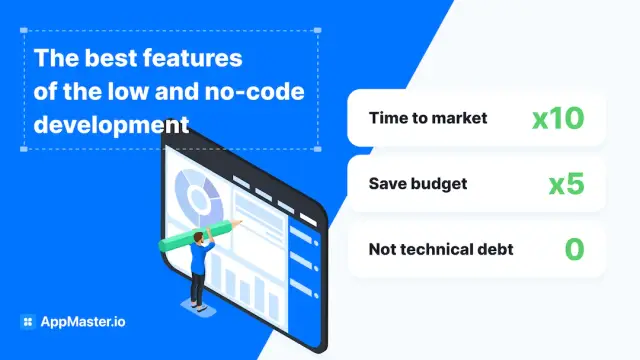
To scale effectively, startups need to embrace innovative technologies that can make their processes more efficient and flexible. One such technology is the use of low-code and no-code platforms for application development. These platforms enable even non-technical team members to design, develop, and deploy applications with minimal coding knowledge, saving on cost and time. As a result, startups can drive their business's growth by automating processes, responding to market changes, and implementing new features quickly.
AppMaster, a powerful no-code platform, is an excellent example of a resource that startups can leverage for their benefit. AppMaster allows companies to create backend, web, and mobile applications visually, with minimal coding knowledge. Its capabilities include designing data models, crafting business processes, and creating REST API and WSS Endpoints. This level of versatility makes AppMaster a smart choice for startups looking to streamline their operations and implement cost-effective solutions that facilitate growth. Low-code and no-code platforms can also help startups:
A growth mindset, which promotes continuous learning and improvement, is vital for startups that aim to scale effectively. By embracing this mindset, startups can foster a culture that encourages adaptability, curiosity, resilience, and innovation — qualities essential for overcoming the challenges of scaling. To develop a growth mindset, consider the following steps:
To ensure sustainable growth, startups must continually evaluate their performance and progress by monitoring the right key performance indicators (KPIs) and growth metrics. Tracking these numbers can help startups identify potential issues and opportunities, allowing them to make strategic decisions that boost their chances of success. Consider monitoring the following KPIs and metrics during the scaling process:
Leveraging low-code and no-code platforms like AppMaster, fostering a growth mindset, and analyzing key metrics can all contribute to driving sustainable growth for your startup. Combining these strategies with a scalable, adaptive approach to business will set your company on the path to long-term success.
 What is scaling in the context of a startup?
Scaling is the process of growing a startup in a sustainable way by increasing revenue without significantly increasing costs and overhead.
What are some common challenges faced by startups during scaling?Common challenges include managing increasing costs, hiring and retaining talent, maintaining a strong company culture, adopting efficient marketing strategies, and leveraging technology effectively.
What strategies can help startups scale effectively?Effective scaling strategies include focusing on core competencies, incorporating automation, refining business processes, outsourcing non-core tasks, and embracing low-code and no-code solutions.
How can low-code and no-code solutions help scale a startup?Low-code and no-code platforms like AppMaster empower startups to create custom applications quickly, without the need for extensive coding skills, helping reduce time and resource requirements.
What is a growth mindset, and why is it important for a scaling startup?A growth mindset is the belief that learning and improvement are continuous, and challenges can be overcome. It fosters adaptability, resilience, and innovation, essential traits for a startup undergoing scaling.
How can startups monitor progress and sustainable growth during scaling?Startups can monitor key metrics and performance indicators, such as customer acquisition cost (CAC), lifetime value of customers (LTV), user engagement, revenue growth, gross margin, and operational efficiency.
Experiment with AppMaster with free plan.
When you will be ready you can choose the proper subscription.
 Jul 14, 20268 min
 Jul 13, 20268 min
 Jul 08, 20268 min