


 Jul 14, 2026
 8 min
8 minEquipment reservation app: prevent conflicts and track returns
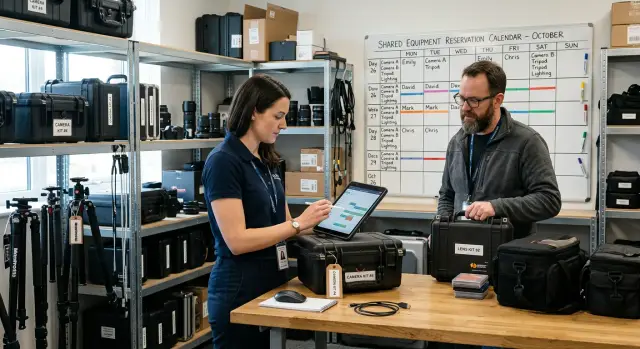
Plan an equipment reservation app that prevents double bookings, records returns and damage, and places faulty items on maintenance hold.

Explore how no-code platforms maintain HIPAA compliance for telehealth services, thereby enabling rapid development and higher security standards.
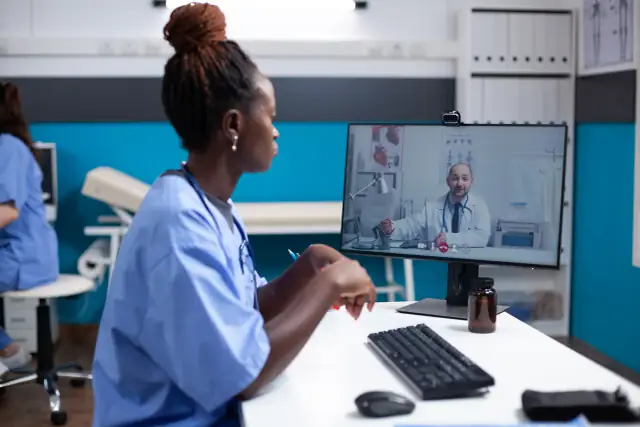
Telehealth services require the utmost attention to security and privacy as they handle sensitive patient data. Telehealth providers must adhere to the Health Insurance Portability and Accountability Act (HIPAA) to protect patient information. HIPAA sets the standard for safeguarding patient data by requiring organizations to implement physical, network, and process security measures.
In the telehealth industry, HIPAA compliance is crucial in providing secure and reliable services to patients. Telehealth applications must ensure that all protected health information (PHI) is stored, transmitted, and accessed securely. This includes encrypting data, implementing access controls, and regularly monitoring systems for potential vulnerabilities and incidents.
Maintaining HIPAA compliance can be challenging for telehealth providers, as they must navigate strict regulations while striving to offer cutting-edge services to their patients. Adopting no-code platforms for telehealth application development can help organizations more easily achieve compliance without compromising the quality or speed of development.

No-code platforms are gaining traction across various industries, including healthcare. These platforms enable users to create fully functional applications without writing manual code, allowing rapid development and deployment. Instead of traditional programming methods, no-code platforms use a visual interface with drag-and-drop features, empowering developers and non-developers to create applications tailored to their needs. In the healthcare sector, no-code platforms offer numerous benefits, such as:
With no-code platforms, healthcare organizations can respond more quickly to the growing demand for telehealth services. They can develop and deploy secure, compliant applications that address the unique challenges of the healthcare domain, such as HIPAA compliance and data protection.
No-code platforms can provide a reliable and flexible foundation for building HIPAA-compliant telehealth applications. Here are some ways no-code platforms help ensure compliance:
By employing a no-code platform for telehealth application development, healthcare organizations can navigate the complexities of HIPAA compliance more easily. No-code platforms deliver a streamlined, user-friendly solution for developing secure telehealth applications that adhere to regulatory standards, giving healthcare providers confidence in the security and privacy of their services.
AppMaster is a comprehensive no-code platform for building backend, web, and mobile applications. Its powerful features and built-in security measures make it an optimal choice for healthcare organizations looking to develop telehealth services while ensuring HIPAA compliance. AppMaster's visual interface and easy-to-use drag-and-drop tools enable rapid development by both developers and non-developers alike.
Medical professionals or clinic staff with no programming experience can develop healthcare applications and modify them on-the-fly whenever requirements change. The platform eliminates technical debt by regenerating applications from scratch, ensuring the final product is secure, up-to-date, and compliant with industry standards.
AppMaster's infrastructure offers high scalability and performance, making it suitable for various healthcare organizations, from small clinics to large healthcare enterprises. With over 60,000 users and a strong track record as a G2 High Performer in various categories, AppMaster is a trusted solution for building HIPAA-compliant telehealth applications.
Security is paramount when handling sensitive patient data, and AppMaster's platform incorporates extensive security measures to protect this information. The generated backend applications are created using the Go programming language, which offers strong built-in security features. In addition, AppMaster applications can work with PostgreSQL-compatible databases for storing electronic protected health information (ePHI), ensuring data integrity and compliance.
One of the key advantages of using AppMaster for telehealth services is the level of customization it offers. The platform allows customers to access and deploy their telehealth applications' executable binary files or even source code, depending on their subscription plan. This enables healthcare organizations to host their applications on-premises, giving them greater control over data storage and security measures.
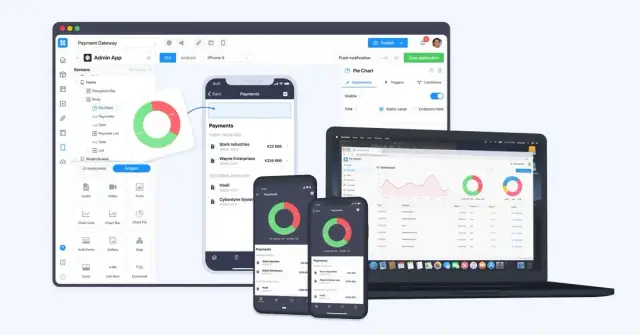
Using no-code platforms like AppMaster to develop and deploy telehealth services offers numerous benefits, particularly in terms of HIPAA compliance, time savings, and cost-effectiveness. Here are the key advantages:
No-code platforms eliminate the need for time-consuming manual coding, allowing healthcare organizations to bring their telehealth applications to market quickly. AppMaster enables users to create applications in a fraction of the time by offering a visual interface and drag-and-drop tools, facilitating fast-tracking of projects even when resources are limited.
Developing telehealth applications from scratch can be both expensive and cumbersome. No-code platforms offer a cost-effective alternative by streamlining application development, eliminating the need for a large team of developers or extensive resources. AppMaster's subscription plans cater to organizations of all sizes and budgets, ensuring they find the right plan without breaking the bank.
No-code platforms designed for healthcare organizations, such as AppMaster, provide built-in security features and best practices to help users maintain HIPAA compliance. The platform's strong security measures protect sensitive patient data, which is essential for telehealth service providers.
One of the challenges of custom application development is the potential for technical debt, resulting from updates or modifications not being properly integrated over time. AppMaster resolves this issue by regenerating applications from scratch whenever changes are made, ensuring that the final product remains consistent, up-to-date, and free from technical debt.
As healthcare organizations grow and their telehealth service offerings expand, it's crucial to have a platform that can scale with them. AppMaster offers a highly scalable platform that allows organizations to develop multiple microservices, enabling them to accommodate growing user bases and increased service demand.
No-code platforms like AppMaster often provide integration options with other healthcare systems, helping organizations streamline their workflows and improve data exchange between different systems. This facilitates better patient care and supports a more seamless healthcare ecosystem.
No-code platforms like AppMaster significantly impact HIPAA compliance for telehealth services, enabling organizations to develop secure, efficient, and cost-effective applications. By employing no-code solutions, healthcare providers can keep pace with the ever-evolving telehealth industry, offering high-quality patient care and driving innovation in their services.
As the telehealth sphere continues to evolve, several key trends are shaping the future of development in this domain:
In navigating these trends, the role of no-code platforms like AppMaster becomes pivotal, offering developers the flexibility and agility needed to adapt to the dynamic industry of telehealth while ensuring compliance with regulatory standards.
 What is HIPAA compliance?
The Health Insurance Portability and Accountability Act (HIPAA) sets the standard for protecting sensitive patient data. Organizations that handle protected health information (PHI) must ensure they have physical, network, and process security measures in place, and follow them to maintain HIPAA compliance.
What are no-code platforms?No-code platforms are software development tools that enable users to create applications without writing traditional/manual code. They use a visual interface with drag-and-drop features, allowing developers and non-developers alike to quickly and efficiently build applications.
Can no-code platforms ensure HIPAA compliance?Yes, no-code platforms that are specifically designed for healthcare can help ensure HIPAA compliance by providing built-in security features and best practices. Using a no-code platform for telehealth services ensures faster and cost-effective development while maintaining compliance standards.
How does AppMaster help maintain HIPAA compliance?AppMaster is a no-code platform that allows users to create backend, web, and mobile applications quickly and cost-effectively. Its powerful platform integrates extensive security features to protect sensitive patient data, enabling developers to build HIPAA-compliant telehealth applications.
What are the benefits of using no-code platforms for telehealth services?Some key benefits include faster development, cost-effectiveness, easier maintenance, scalability, and built-in HIPAA compliance features. No-code platforms empower healthcare providers to innovate and grow while still maintaining high security standards for sensitive patient data.
Can non-developers create HIPAA-compliant telehealth applications using no-code platforms?Yes, no-code platforms enable both developers and non-developers to create telehealth applications while maintaining HIPAA compliance. The visual interfaces and drag-and-drop features allow users to build applications without writing traditional/manual code, enabling rapid development without compromising security.
Are no-code platforms suitable for all sizes of healthcare organizations?Yes, no-code platforms are suitable for healthcare organizations of all sizes, from small clinics to large hospitals and enterprises. They offer flexible subscription plans and pricing, allowing organizations to choose a plan that best fits their needs and budget.
Do no-code platforms offer integration with other healthcare systems?Yes, many no-code platforms provide integrations with popular healthcare systems and services, enabling seamless data exchange and improved interoperability between different systems. This helps healthcare providers in streamlining their workflows and improving patient care.
Experiment with AppMaster with free plan.
When you will be ready you can choose the proper subscription.
 Jul 14, 20268 min
 Jul 13, 20268 min
 Jul 08, 20268 min