


 Jul 14, 2026
 8 min
8 minEquipment reservation app: prevent conflicts and track returns
Plan an equipment reservation app that prevents double bookings, records returns and damage, and places faulty items on maintenance hold.

Discover the top 10 key features of rapid application development (RAD) tools that streamline the creation process, increase productivity, and ensure optimal utilization of resources.

Rapid Application Development (RAD) is a software development approach that streamlines the process of creating applications, prioritizing speed, flexibility, and efficient use of resources. By leveraging RAD tools and principles, developers can create high-quality applications with a shortened time-to-market. Rapid Application Development tools have become increasingly popular as they enable faster prototyping, user-centered design, and iterative development cycles.
One of the main reasons RAD tools are attracting the attention of developers and organizations worldwide is their visual development environment. Instead of writing code from scratch, RAD tools provide pre-built components, templates, and visual elements that allow users to design and develop applications using a more intuitive and user-friendly interface.
Take AppMaster.io, for example, a powerful no-code tool that enables users to create backend, web, and mobile applications through its visual environment. Users can create data models, design business processes, and define REST API endpoints all within its visual platform.
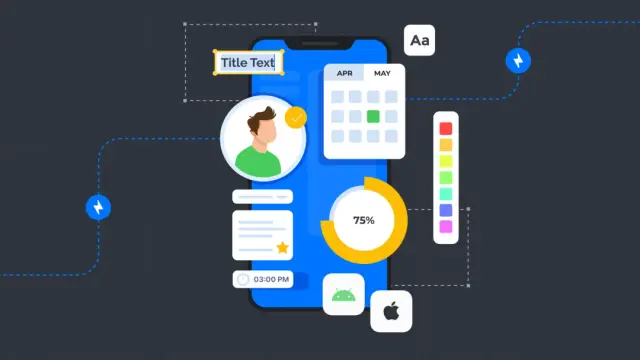
Visual development environments also make it simple to create UI components and prototype app layouts. This allows developers to effectively convey their application ideas to stakeholders, clients, and other team members, enabling better collaboration and feedback at every stage of the development process.
By providing a domain-specific language (DSL) for your application's development, visual environments eliminate the steep learning curve associated with traditional programming languages. This allows non-technical stakeholders and even citizen developers to participate in the development process, driving innovation and efficient resource allocation.
Another primary characteristic of RAD tools is the drag-and-drop interface. This feature enables users to visually design their applications by dragging pre-built components and templates from a library onto their application layouts. This approach significantly reduces the time spent on writing code and allows for rapid application development.
A drag-and-drop interface simplifies the design process for users who may not have extensive coding expertise. By providing a user-friendly interface with a multitude of built-in components, users of all skill levels can develop applications with much less technical knowledge. This opens up the world of app development to a broader audience, allowing businesses and organizations to remain competitive and agile in meeting the ever-changing demands of modern software development.
Furthermore, drag-and-drop interfaces make iterating and refining application designs more manageable. Users can easily add, remove, or modify UI components with minimal effort, reducing the time taken for prototyping and testing. As a result, RAD tools like AppMaster.io facilitate quicker turnaround times for application delivery and empower users to adapt to changing requirements with ease.
One of the most time-saving aspects of rapid application development (RAD) tools is their access to pre-built templates and components. These ready-to-use elements save developers the time and effort needed to build everything from scratch, and they also provide a consistent look and feel across applications.
By utilizing pre-built templates and components, developers can:
For example, AppMaster.io is a no-code development platform that offers a library of pre-built components and templates, enabling users to create visually appealing, functional applications quickly. This significantly reduces the time and effort needed to build applications while ensuring a consistent user experience.
Cross-platform compatibility is another essential feature of RAD tools, ensuring that applications can run seamlessly on various devices and operating systems. With the increasing adoption of mobile devices and the subsequent demand for applications that work on multiple platforms, it is crucial for businesses to create versatile applications with minimum time and effort.
By offering cross-platform compatibility, RAD tools:
Platforms like AppMaster.io offer cross-platform compatibility, allowing customers to build applications for Android, iOS, and the web using the same visual development environment and business logic.
As modern applications need to interact with various external systems and services to provide a complete solution, powerful integration capabilities are a vital feature of RAD tools. The ability to seamlessly integrate with external systems, such as databases, CRM, ERP, APIs, and third-party services, significantly enhances the functionality and value of an application.
The benefits of integration capabilities include:
By integrating with different data sources and services, applications can ensure a smooth flow of information, resulting in more efficient processes and decision-making.
Connecting to external systems can empower applications with additional capabilities that might not be achievable with the native features of a RAD tool.
Directly connecting to external services eliminates the need for custom code to bridge gaps between systems, saving time and effort in the development process.
Integration capabilities enable applications to be modified and extended more easily, allowing them to adapt to changing requirements and evolving technology environment.
AppMaster.io is an example of a RAD platform that provides extensive integration options, making it easy for users to access a wide range of APIs, databases, and third-party services, enhancing the overall functionality and value of their applications. Integrations play a crucial role in creating modern, scalable, and adaptable applications suited to the ever-changing world of software development.
Code reusability plays a vital role in accelerating application development. Rapid application development (RAD) tools offer code reusability by allowing developers and non-technical users to reuse pre-existing code, components, and templates across different projects. This feature enables teams to build applications more efficiently, avoiding redundant code that often consumes valuable time and effort.
The advantages of code reusability are:
AppMaster.io is an example of a RAD platform that promotes code reusability by generating real applications from scratch using predefined blueprints. Users can create data models, business logic, and UI components visually, while AppMaster.io takes care of generating the source code for backend, web, and mobile applications. This approach enhances efficiency and eliminates potential technical debt caused by repeated or outdated code.
Effective collaboration is critical for the success of any application development project. RAD tools often incorporate collaboration tools and features that enhance communication and coordination among team members, ensuring better project management and information sharing throughout the development process.
Key collaboration features in RAD tools include:
This allows multiple team members to work on a project concurrently, with the ability to merge code and track changes.
This feature enables the assignment of specific roles and access permissions to different team members, ensuring a secure and organized workflow.
With live collaboration, team members can work on components simultaneously, view each other's progress, and communicate more effectively.
Integrated project management tools provide a centralized platform where project managers can efficiently allocate resources, track progress, and manage deadlines.
Communication features like notifications and alerts keep team members informed about the latest changes and updates in the project.
AppMaster.io supports collaboration by offering simultaneous access to multiple users working on the same project. This enables project managers, developers, designers, and other stakeholders to effectively collaborate in a shared workspace and streamline the development process, ensuring the timely delivery of high-quality applications.
Scalability and performance are critical factors to consider when selecting a RAD tool. As businesses grow and their requirements evolve, applications must be able to handle increased workloads, additional users, and changing functionality without compromising performance or stability.
RAD tools that prioritize scalability and performance often provide:
AppMaster.io excels in the scalability department by generating stateless backend applications written in Go (golang), which offers exceptional performance and low memory footprint. In addition, AppMaster.io leverages the microservices architecture and allows users to deploy applications on the cloud, ensuring optimal scalability and performance for various enterprise and high-load use cases.
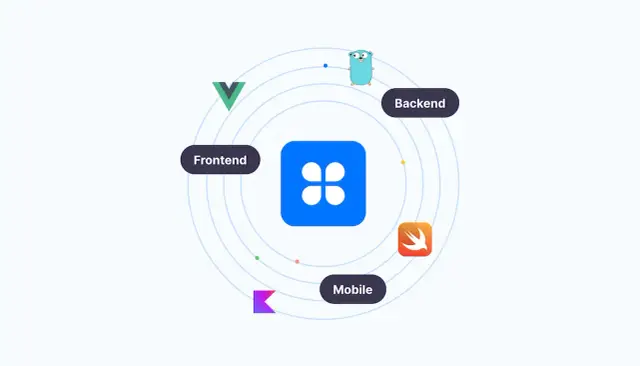
By carefully evaluating RAD tools based on these essential features, you can increase your chances of selecting a platform that meets your unique needs while streamlining the development process, fostering collaboration, and ensuring scalability and performance in your applications.
As the digital environment continues to evolve, security and privacy have become essential aspects of rapid application development tools. Having powerful security features in place ensures that applications built using RAD tools are protected against unauthorized access, data breaches, and other cyber threats.
Security features offered by RAD tools include:
Besides these security features, it's essential for RAD tools to ensure regulatory compliance and support privacy standards such as the General Data Protection Regulation (GDPR) and the Health Insurance Portability and Accountability Act (HIPAA). By incorporating these privacy requirements into their platforms, RAD tools help businesses maintain compliance and avoid costly penalties.
Continuous updates and support play a crucial role in ensuring the ongoing success of applications built using rapid app development tools. With a dedicated support team and regular software updates, users can stay informed about the latest advancements in app development and incorporate them into their projects.
Here are some of the ways RAD tools can provide continuous updates and support:
A platform like AppMaster.io offers exceptional support and continuous updates, empowering users with the latest advancements in rapid application development and maintaining the highest quality standards for their applications.
Rapid Application Development (RAD) tools have revolutionized software development by offering a faster, more efficient, and more accessible way to create applications. By identifying and understanding the ten essential features discussed in this article, you can make an informed decision when selecting the right RAD tool for your needs.
With a visual development environment, drag-and-drop interface, pre-built templates, cross-platform compatibility, seamless integrations, code reusability, collaboration tools, scalability and performance, security and privacy, and continuous updates and support, reputable platforms like AppMaster.io can help you achieve your app development goals without any compromises.
So, whether you're just starting on your app development journey or looking for ways to streamline your existing processes, consider exploring the potentials of RAD tools to unlock a world of opportunities in the ever-evolving software development industry.
 What is Rapid Application Development (RAD)?
Rapid Application Development (RAD) is an approach to software development that prioritizes speed, flexibility, and the efficient use of resources to create high-quality applications faster. RAD tools offer visual development environments, pre-built components, and drag-and-drop interfaces that enable developers to streamline the app creation process.
How does RAD compare to traditional software development?RAD differs from traditional development by emphasizing rapid prototyping, ease of use, and iterative development cycles. While traditional software development often follows strict, linear processes, RAD enables users to collaborate, manage changes, and iterate quickly, thereby accelerating the development process and reducing the time-to-market.
What are some examples of RAD tools?Examples of RAD tools include low-code and no-code platforms like AppMaster.io, OutSystems, Mendix, and Microsoft PowerApps. These tools empower developers and non-technical users to create applications faster by providing visual development environments, pre-built templates, and reusable components.
What industries benefit from using RAD tools?RAD tools are beneficial across various industries, including eCommerce, finance, healthcare, education, entertainment, and more. Since these tools streamline the development process and enable rapid prototyping, they can effectively meet the unique needs of any industry.
Why is cross-platform compatibility important?Cross-platform compatibility ensures that applications work seamlessly on multiple platforms like iOS, Android, and web browsers, significantly reducing development time and effort. By creating a single codebase that runs across different platforms, developers can reach a wider audience and maintain a consistent user experience.
What is the role of integration capabilities in RAD tools?Integration capabilities enable RAD tools to connect with other systems, such as CRM, ERP, databases, and third-party services, ensuring seamless data flow and functionality. This capability is essential to build modern applications that need to interact with various systems and services to offer a complete solution to end-users.
How does code reusability improve the development process?Code reusability makes it possible for developers to use pre-existing code, components, and templates across different projects. This feature significantly reduces the amount of time spent on writing redundant code and accelerates the development process. Code reusability also ensures consistency and reduces the likelihood of bugs and errors.
Why are collaboration tools important in RAD?Collaboration tools enhance communication and coordination among team members, facilitating better project management and information sharing. These tools promote transparency and seamless integration of diverse skills, enabling users to efficiently work together, iterate, and refine applications throughout the development process.
What are the requirements for security and privacy in RAD tools?Security and privacy are essential aspects of RAD tools as they help protect sensitive data and adhere to regulatory standards. Features like encryption, authentication, role-based access control, and regular security updates help safeguard the app data and users while ensuring compliance with privacy regulations like GDPR and HIPAA.
How do continuous updates and support benefit RAD tool users?Continuous updates and support ensure that RAD tools stay up-to-date with the latest functionalities, best practices, and regulatory requirements. This guarantees optimal app performance, security, and stability, enabling developers to focus on their core tasks and deliver high-quality applications to end-users with confidence.
Experiment with AppMaster with free plan.
When you will be ready you can choose the proper subscription.
 Jul 14, 20268 min
 Jul 13, 20268 min
 Jul 08, 20268 min