


 Jul 14, 2026
 8 min
8 minEquipment reservation app: prevent conflicts and track returns
Plan an equipment reservation app that prevents double bookings, records returns and damage, and places faulty items on maintenance hold.

The latest trends and best practices in creating custom CMS platforms in 2024. Learn how to build a successful, flexible, and scalable content management solution.
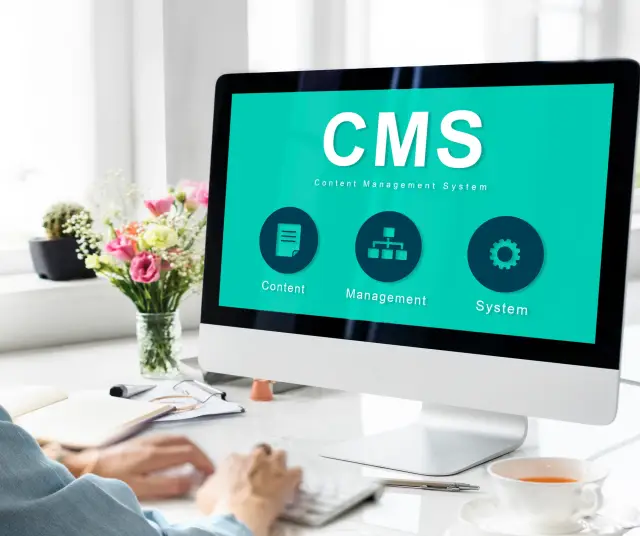
Content management systems (CMS) have been integral to the digital industry, facilitating easy creation and management of websites and digital content. While established CMS platforms like WordPress, Drupal, and Joomla offer ready-made solutions, there's an increasing demand for custom CMS platforms tailored to specific business needs.
As we move into 2024, there's a greater emphasis on flexibility, scalability, and agility that only a custom CMS can provide. A custom CMS allows businesses to build a content management system precisely designed for their needs, giving them full control over their content, website, and online presence. Custom systems eliminate the limitations and restrictions inherent in popular CMS platforms, giving you the freedom and flexibility to add new features or make changes as needed.
A surge in the popularity of no-code and low-code development tools has enabled businesses to build custom CMS platforms efficiently and cost-effectively without extensive technical expertise. These tools empower users to create custom solutions, opening up new possibilities for businesses of all sizes to build their own CMS platforms for enhanced content management and online presence.
Several trends are shaping the future of CMS development in 2024, with an increased focus on customization, flexibility, and better content management capabilities. Here are some of the key trends driving advancements in CMS development:
Building a custom CMS platform comes with numerous benefits for businesses, including:
Building a custom CMS platform in 2024 opens up a world of possibilities for businesses to create tailored solutions that meet their unique content management needs. By leveraging the latest trends in CMS development and understanding the advantages of custom platforms, creating a successful, scalable content management solution is more achievable than ever.
Modern no-code and low-code tools have transformed the way businesses create custom CMS platforms. Using these tools, even users with minimal coding experience can craft a personalized content management solution that caters to their specific requirements, making the development process faster, more accessible, and cost-effective. Let's explore leveraging no-code and low-code tools to build your custom CMS platform.
No-code and low-code platforms empower users with little or no programming experience to create applications visually, using drag-and-drop interfaces and pre-built templates. No-code tools are designed for non-technical users, while low-code platforms often cater to a more technical audience, offering the ability to customize the application further with code snippets. Using these platforms, you can build and deploy custom CMS solutions in a fraction of the time it takes using traditional development approaches, significantly reducing time-to-market and lowering your project costs.
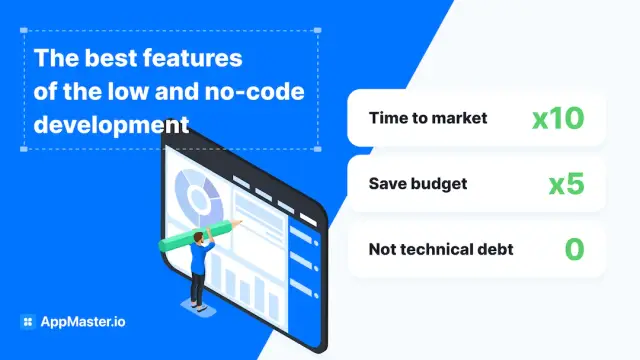
To begin crafting your custom CMS platform, first research and evaluate various no-code and low-code options on the market. When deciding, consider factors like ease of use, available features, platform capabilities, cost, scalability, and support options. Some popular no-code and low-code platforms that can be used to build custom CMS solutions include Webflow, Wix, Bubble, and AppMaster.
Once you have chosen an appropriate no-code or low-code platform, start crafting your custom CMS by following these steps:
Creating a custom CMS platform that excels in performance, usability, and security requires adopting best practices throughout development. When designing and building your custom CMS, remember the following tips to ensure its success.
Designing a custom CMS platform starts by understanding your unique content management needs, target audience, and long-term content strategy. Clearly define your requirements and use this knowledge to guide your development decisions, ensuring your platform is tailor-made to meet your needs.
A successful custom CMS is one that is easy to use and navigate for both content creators and administrators. Prioritize user experience by designing intuitive interfaces, incorporating helpful features that simplify content management tasks, and maintaining consistency across different modules.
Security is critical to any CMS platform; protecting user data and preventing unauthorized access is crucial. Implement strong security measures such as two-factor authentication, secure password storage, data encryption, and ongoing vulnerability assessments to safeguard your platform.
As your content management needs evolve, your custom CMS should be capable of adapting to increased demand and changing requirements. Design and build your platform with scalability in mind, using modular architecture, scalable databases, and efficient caching mechanisms to maintain optimal performance.
Continuous testing is necessary to identify and fix any bugs or vulnerabilities in your custom CMS platform. Conduct regular load and stress testing to verify the platform's performance under different loads and conditions. Optimize code and infrastructure regularly to achieve the best possible performance and quality.
The AppMaster platform stands out as an exceptional solution for building custom CMS platforms due to its powerful no-code capabilities, comprehensive feature set, and ability to generate backend, web, and mobile applications. AppMaster's visual BP Designer enables you to create complex business logic with no coding experience required. The platform also offers REST API and WSS endpoints for seamless communication between front-end and back-end systems, ensuring your CMS delivers a smooth and efficient user experience.
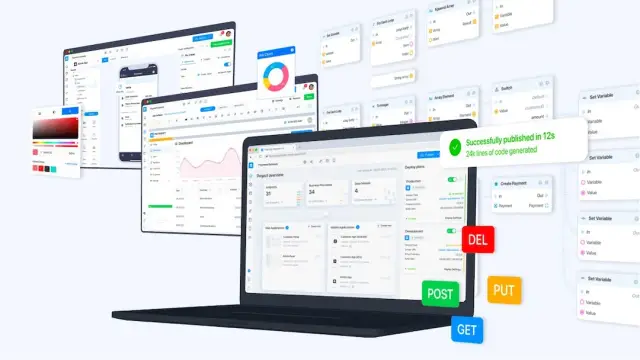
One of the key advantages of using AppMaster for custom CMS development is its exceptional scalability. AppMaster generates stateless backend applications using Go (golang), which allows your CMS to handle enterprise-level workloads and high-traffic scenarios effortlessly. The platform is also compatible with any Postgresql-compatible database, providing flexibility in managing data storage. With AppMaster, you can deploy your CMS applications on-premises or in the cloud, catering to various infrastructure needs.
Furthermore, the platform offers a variety of subscription options, making it accessible to businesses of all sizes. By utilizing the AppMaster platform to develop your custom CMS, you'll benefit from a powerful, scalable, and flexible content management solution that caters to your organization's specific needs.
 Why is it essential to build a custom CMS platform?
A custom CMS platform allows you to have a tailor-made solution to manage your content more effectively and offers advantages like enhanced flexibility, better control, and improved scalability.
What trends are driving CMS development in 2023?Current trends driving CMS development include headless and decoupled architectures, mobile-first focus, digital experience platform integration, AI-powered content optimization, and microservices.
How do no-code and low-code tools help in custom CMS development?No-code and low-code tools help in creating custom CMS platforms by enabling rapid development, making it more accessible to non-technical users, and lowering project costs and complexity.
What should I consider when building my own custom CMS platform?Consider factors like identifying your requirements, choosing the appropriate development approach, focusing on user experience, implementing security measures, and testing and optimizing your platform.
Can I build a custom CMS platform using AppMaster?Yes, the AppMaster platform supports the development of custom CMS platforms by combining powerful visual tools with back-end, web, and mobile app creation capabilities.
What advantages does AppMaster offer for CMS development?AppMaster provides benefits like a visual BP Designer for creating business logic, REST API and WSS endpoints, built-in scalability, and the ability to host applications on-premises or in the cloud.
Experiment with AppMaster with free plan.
When you will be ready you can choose the proper subscription.
 Jul 14, 20268 min
 Jul 13, 20268 min
 Jul 08, 20268 min