
 Oct 04, 2024
 1 min
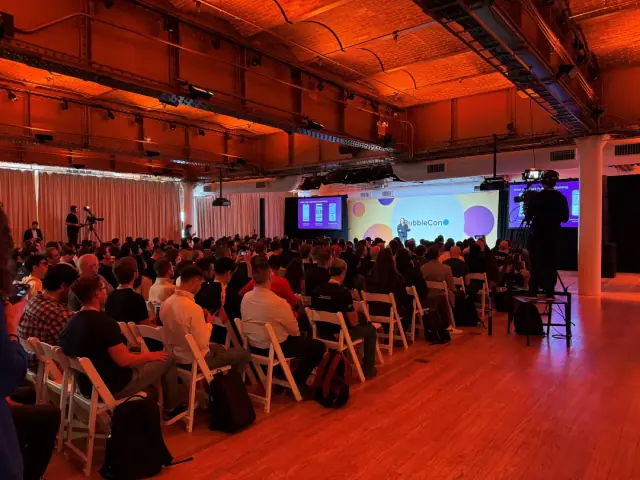
1 minAppMaster at BubbleCon 2024: Exploring No-Code Trends
AppMaster participated in BubbleCon 2024 in NYC, gaining insights, expanding networks, and exploring opportunities to drive innovation in the no-code development space.

Twitter has yet again postponed its API changes as worries about potential effects on users and developers mount.

Twitter has once again delayed the implementation of its API changes amid growing concerns regarding the potential impacts on users and developers. The social media giant, now led by Elon Musk, had initially planned to end free access to both v2 and v1.1 API on February 9th, as announced on February 2nd, 2023. However, the timeline has been extended multiple times, with the most recent update pushing the deadline back beyond February 13th.
Although the changes are set to roll out soon, Twitter has not yet disclosed the specific pricing structure for developers to obtain access to the API. Musk has suggested in the past that the cost could be around $100 per month, adding that the verification process and pricing will likely deter malicious bots from infiltrating the platform.
Despite the existence of harmful bots, Twitter also hosts numerous beneficial ones, such as ThreadReader, which enhance the overall user experience. To support these positive bots, Twitter has proposed a free tier that would allow up to 1,500 tweets per month. However, for more popular bots like ThreadReader, this amount would prove to be insufficient, as they require a tier permitting over 130,000 tweets monthly.
In addition to the entertainment and communication purposes it serves, Twitter has established itself as a premier source of real-time information during emergencies, such as the recent earthquakes in Turkey and Syria. Data scientists rely on the platform to produce heatmaps based on calls for help posted by affected individuals, helping rescue workers pinpoint locations that require immediate attention. Nevertheless, API changes instituted by Twitter have hindered such efforts, according to several data scientists.
The impending cessation of free access to Twitter's API spells further complications for crucial work such as disaster response. Hundreds of academics, researchers, and analysts have signed a letter addressed to Musk, urging Twitter to maintain free access for those utilizing the platform for social good. While Twitter must balance such concerns with maintaining a sustainable business model, the abrupt nature of these changes and the lack of clarity threaten to disrupt the workflows of numerous users and developers.
Adoption of no-code and low-code platforms has been growing in recent years, with platforms such as AppMaster offering visually designed databases, Business Processes, and easily configurable REST API and WSS endpoints. AppMaster.io's no-code platform allows users to create backend, web, and mobile applications without any written code, with a visual drag-and-drop interface.
Such tools provide users with the ability to build scalable and efficient applications without the need for manual programming or significant technical knowledge. In the context of the changing API landscape and the uncertainty surrounding access to platforms like Twitter, no-code solutions may present an appealing alternative for individuals, teams, and businesses looking to maintain or create powerful applications at a fraction of the traditional cost, effort, and time investment.
 Oct 04, 20241 min
 Sep 23, 20241 min
 Aug 08, 20241 min
Experiment with AppMaster with free plan.
When you will be ready you can choose the proper subscription.


