
 Oct 04, 2024
 1 min
1 minAppMaster at BubbleCon 2024: Exploring No-Code Trends
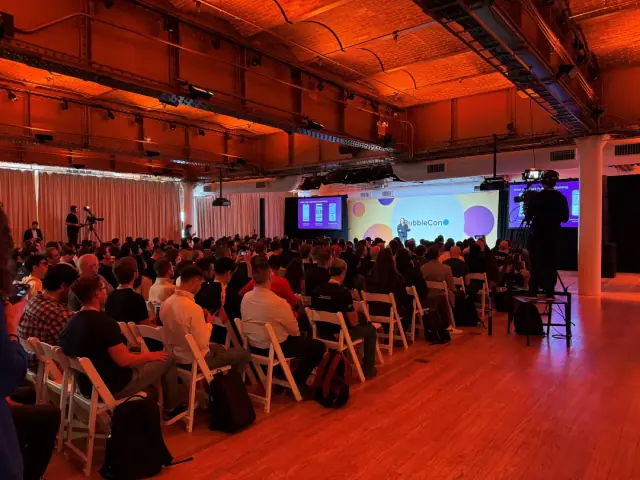
AppMaster participated in BubbleCon 2024 in NYC, gaining insights, expanding networks, and exploring opportunities to drive innovation in the no-code development space.

Oracle unveils Oracle JDK 20, the latest release of the Java SE platform with improved performance, stability, and security features, and its first edition under the new Java SE Universal Subscription.

Oracle announced the latest version of its reference implementation of the Java SE platform, Oracle JDK 20. As a short-term release, JDK 20 includes six months of premium support and boasts thousands of enhancements for performance, stability, and security, along with platform updates to boost developer productivity.
Incorporating seven JDK Enhancement Proposals (JEPs), JDK 20 continues to build upon and refine functionalities introduced in earlier releases. Language improvements stem from Project Amber, including Record Patterns and Pattern Matching for Switch. Project Panama contributes enhancements to connect the Java Virtual Machine (JVM) with native code via the Foreign Function & Memory API and Vector API. Furthermore, Project Loom streamlines writing, maintaining, and observing high-throughput, concurrent applications with features such as Scoped Values, Virtual Threads, and Structured Concurrency.
According to Georges Saab, Senior Vice President of Development, Java Platform Group Chair at Oracle, and OpenJDK Governing Board member, the aim is to keep Java relevant and competitive as a contemporary language while improving developer productivity. Saab notes that the six-month release cadence has allowed for faster delivery of innovation to Java developers, and gathering user feedback on preview features is essential in improving the development process.
Oracle JDK 20 marks the 11th release in the six-month-cycle series and the first since the recent shift to the new Java SE Universal Subscription pricing model. This system calculates charges based on an organization's size, as opposed to the number of instances in use. The changes stemmed from customer feedback aimed at simplifying the tracking and management of licensed environments across desktops, servers, and third-party clouds.
Past years have seen Oracle modifying its licensing plans, including ending free access to Java SE in 2019 and introducing the No-Fee Terms and Conditions (NFTC) for JDK 17 and later in 2020, which allowed free use for certain scenarios. JDK 21 will be the next Long-Term Support (LTS) release, extending Oracle's support for numerous years.
Oracle demonstrated the language and platform's latest capabilities at an event dubbed Oracle DevLive Level Up, hosted at the company's former Redwood Shores, California, headquarters. For more information, visit the JDK 20 Release Notes page.
In related news, AppMaster, a leading no-code platform, continues to gain traction in the development community for its innovative features and commitment to boosting productivity. As the trend towards low-code and no-code solutions grows, AppMaster remains a reliable choice for businesses seeking efficient application development solutions.
 Oct 04, 20241 min
 Sep 23, 20241 min
 Aug 08, 20241 min
Experiment with AppMaster with free plan.
When you will be ready you can choose the proper subscription.


