
 Oct 04, 2024
 1 min
1 minAppMaster at BubbleCon 2024: Exploring No-Code Trends
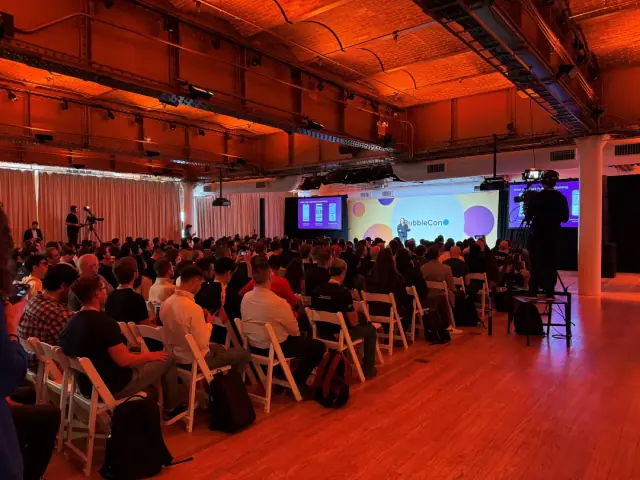
AppMaster participated in BubbleCon 2024 in NYC, gaining insights, expanding networks, and exploring opportunities to drive innovation in the no-code development space.

With Microsoft incorporating ChatGPT into its low-code Power Platform, this integration signals more native inclusion of AI models within low-code development environments. In this analysis, we explore the benefits, implications, and challenges of leveraging large language models in low-code frameworks.

Microsoft has made headlines by integrating ChatGPT, a powerful large language model (LLM), into its Power Platform developer suite, enhancing productivity for low-code development. This announcement comes after ChatGPT-powered Bing search and Microsoft's commitment to invest billions in its partner company, OpenAI. With this development, numerous questions arise, especially surrounding the integration's effects on low-code platforms and potential challenges that may arise.
We shall delve into the implications of AI-driven development by discussing the benefits and potential risks of incorporating LLMs such as ChatGPT into low-code development frameworks. Furthermore, we will examine how this could disrupt the competitive landscape and highlight key considerations for leaders aiming to adopt this groundbreaking technology.
Low-code development platforms (LCDPs), like AppMaster, allow for abstraction of complex functionalities into user-friendly components, typically offering drag-and-drop capabilities and reusable templates for both novice and experienced developers. Integrating ChatGPT into such environments unlocks numerous benefits:
ChatGPT integration has sent ripples throughout the market, with tech giants unveiling their own generative AI solutions. As a result, the role of low-code platforms and AI in software development is up for debate. Natural language-driven code generation could potentially replace traditional programming and codeless solutions altogether.
Nonetheless, it seems the most likely outcome is enhancements across the software industry with AI augmenting LCDPs by improving developer experience, bespoke ML models, and intelligent end-user experiences. Companies like AppMaster already offer powerful no-code app builders and enterprise application solutions, demonstrating how this approach can benefit a wide range of organizations.
However, Microsoft's massive investment in AI research and development could put smaller LCDPs at a disadvantage if they don't adopt their own AI-integration. As a result, lack of AI functionality might lead to losing subscribers or cooperate with larger cloud technology suites to access and store data.
Despite the advances, ChatGPT and other generative AI models aren't entirely trustworthy. Currently, PowerApps' ChatGPT usage is experimental, signifying generative AI's status as a work-in-progress. Considering the potential inaccuracies, developers relying on these models might face challenges.
Besides the authoritative tone of ChatGPT outputs, they're generated from publicly available information, which could contain bugs, errors, and inefficiencies. Even worse, ChatGPT might suggest non-existent features, as seen with geocoding API provider OpenCage. Consequently, developers must adapt to creating and organizing prompts and debugging errors, while still grappling with deployment challenges and security concerns regarding third-party dependencies.
Governance is essential for securing low-code platforms, as no-code users may not have adequate security oversight when adopting new services. With AI in the mix, the technical complexity increases, potentially leading to ethical violations and irrational communication if not carefully managed.
While AI models like ChatGPT confidently produce outputs, they sometimes yield nonsensical or inaccurate results. Continual feedback and retraining will improve these outputs over time. However, engineers need to remember the experimental nature of AI-driven solutions and exercise caution when implementing new AI innovations into their projects.
As AI reshapes the software development landscape, developers face new challenges alongside an advancement in efficiency. Low-code solutions that offer standard software delivery pipelines and centralized collaboration features will benefit most in this evolving era. LCDPs that keep pace with AI developments, such as the AppMaster platform, and embed AI into their workflows are poised to thrive in the changing industry.
 Oct 04, 20241 min
 Sep 23, 20241 min
 Aug 08, 20241 min
Experiment with AppMaster with free plan.
When you will be ready you can choose the proper subscription.


