


 Jul 14, 2026
 8 min
8 minEquipment reservation app: prevent conflicts and track returns
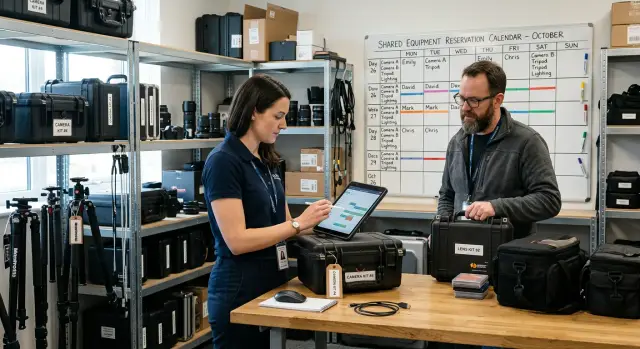
Plan an equipment reservation app that prevents double bookings, records returns and damage, and places faulty items on maintenance hold.

Plan a volunteer management app that tracks availability, qualifications, shifts, attendance, and follow-up messages for recurring programs.

A weekly program raises the same questions every time: who is available, who has completed the required training, who confirmed, and who arrived? Spreadsheets can hold some of the answers, but teams often scatter the rest across email, paper sign-in sheets, calendars, and private messages.
That split turns small mistakes into stressful program-day problems. A coordinator might schedule a volunteer whose food safety training expired last month. A team lead might wait for someone who cancelled in a message the coordinator never saw. Volunteers can miss an update because it went to last week's group chat.
A volunteer management app keeps current information in one place. Each person has a profile with their qualifications, availability, scheduled shifts, and attendance history. Coordinators no longer need to compare several versions of the same list before filling a gap.
Recurring volunteer programs also need a repeatable process. Set up regular shifts once, then let volunteers confirm, decline, or request a change for each date. Send reminders early enough to find cover when plans change.
Coordinators need to create schedules, approve volunteers, and send updates. Team leads need a roster for their own shift, with a quick way to record arrivals and issues. Volunteers need to update availability, check commitments, and receive clear messages.
A pantry coordinator may need every Saturday shift in view. The receiving lead only needs the names and qualifications of people unloading deliveries. A volunteer needs a simple reminder of when to arrive and who to contact if they run late. One shared app avoids duplicate records while keeping each person's work focused.
It also creates a dependable record after every session. Over time, staff can spot frequent absences, training gaps, and shifts that regularly need more people.
Agree on the records before building screens. Start with the details staff already chase through emails, paper forms, and spreadsheets. Keep information only when it helps someone schedule a volunteer, confirm eligibility, or contact them after a shift.
For each program, record its name, location, service times, capacity, coordinator, arrival instructions, and cancellation rules. Note whether a shift repeats weekly, runs on selected dates, or only happens during a season. A food pantry might need 12 packing volunteers every Tuesday morning and four check-in volunteers every Thursday evening. Those are separate staffing needs, even if some people can do both jobs.
Volunteer details belong in the person's profile. Shift details belong to a particular date and role. This prevents repeated information and makes updates safer. When Maya changes her phone number once, every future schedule uses the new number.
A simple structure includes volunteer profiles, qualification records, shift records, and program records. A profile holds contact details, emergency contact information, preferred roles, availability, and communication consent. Qualifications record completed training, background checks, certificates, issue dates, expiry dates, and approval status. Shifts hold the date, time, location, role, capacity, assignments, attendance, and notes. Program records define the repeating pattern, instructions, staff owner, and required qualifications.
Use expiry dates only when the program needs renewed proof or training. Background checks, food safety certificates, driving approval, and first-aid training often need them. A one-time orientation usually does not. The app should flag upcoming expiries before a volunteer appears eligible for a future shift.
Decide who can change each type of record. Volunteers can update contact details and availability, while staff should approve qualifications and attendance. Shift leads can mark arrivals and add short notes. Program managers can create recurring shifts and adjust capacity.
AppMaster can model these records in its Data Designer and use visual business processes to limit actions by role. Start with one program and one coordinator. A few weeks of real use will show which fields staff actually need.
A volunteer profile should give coordinators enough information to place someone confidently without making registration feel like a long form. Begin with the details used each week: name, phone number, email, emergency contact, preferred role, and preferred location.
A food pantry may need greeters, stockroom helpers, delivery drivers, and check-in volunteers. Let people select roles they enjoy, then let coordinators add roles they have approved them to do. Preferences show where someone wants to help. Approval shows where they can help.
Avoid a free-text field such as "usually free on weekends." Ask volunteers to select days, time ranges, and locations. Someone might be available on Tuesday evenings at the community center but unable to work Saturday warehouse shifts.
Make availability easy to change. Jobs, family care, and classes shift over time, and outdated schedules create more problems than missing information. Coordinators should see availability alongside role preferences when assigning shifts.
Some roles require proof before a volunteer can take part. Record the qualification name, issue date, expiry date, and current status. This may include a background check, food safety training, first aid certification, driver's license verification, or an orientation session.
Use plain statuses such as pending, approved, expired, and renewal needed. A coordinator should not have to search old emails before assigning a driver or someone working with children.
Store only information the program needs, and restrict access to sensitive records. Profiles can include practical notes that help people participate, such as access needs, preferred contact method, languages spoken, interpreter needs, or roles a volunteer asks to avoid. Keep these notes factual and respectful. The purpose is to make each shift workable, not to collect personal information that nobody will use.
Review expiring qualifications each month and contact volunteers while they still have time to renew.
Build the schedule around work that repeats, not a generic calendar. A food distribution program might run every Tuesday and Thursday from 3:00 to 6:00 p.m. A tutoring program may need separate weekday evening sessions. Create a shift template for each regular session, then generate future dates from that pattern.
Each template should describe a real job. "Tuesday pantry pickup" is too broad. Divide it into check-in, packing, delivery loading, and floor support so volunteers understand the work before signing up.
Set capacity for every role. If packing needs six people and check-in needs two, record those numbers separately. The schedule should show open places and stop extra sign-ups after a role is full. Coordinators can still approve an exception during a busy week.
Add qualification rules to each shift. A driver role may require a current license check. A youth activity may require training or a background check. The app should offer these shifts only to volunteers whose profiles meet the rules. This avoids last-minute changes when someone signs up for work they cannot do.
A no-code platform such as AppMaster can keep these rules in one application. Shift records hold the date, role, capacity, location, and requirements, while volunteer records hold skills and approval status. Its Business Process Editor can check eligibility before confirming a booking.
Regular schedules still need flexibility. Keep the recurring template, but allow coordinators to add a one-time shift for a holiday event, cancel a date, or adjust capacity for a single session. A pantry can add four Saturday packing places before a seasonal drive without changing every Tuesday template.
Use simple names and consistent start and end times. Volunteers notice unclear details quickly, especially when they help every week.
One coordinator should own the final weekly schedule. They add the roles needed for the coming week, such as reception, delivery driver, stockroom helper, or team lead. Every shift needs a date, start and end time, location, and required number of volunteers.
Volunteers should update availability before assignments begin. Keep their choices simple: available, unavailable, or available with limits. For example, someone may be free every Tuesday but unable to lift heavy boxes. That detail prevents a poor assignment later.
Match each person to the rules in their profile. A driver needs the required license or approval. A volunteer working directly with children may need a completed background check. The scheduling view should show only eligible people when a coordinator fills a shift.
A practical weekly routine is straightforward:
Record every response beside the assignment. A confirmed shift differs from a message that someone merely opened. When a volunteer declines, the coordinator can offer the place to another eligible person rather than finding out on the day.
After each shift, update attendance while details are fresh. Mark each person as present, absent, late, or cancelled. Add a short note only when it helps, such as "called two hours before shift" or "stayed 30 minutes longer."
This creates a useful weekly record without turning scheduling into paperwork. After a few weeks, staff can see which roles lack coverage, who reliably attends, and whether shift times need to change.
Attendance should take seconds to record. Give staff one view of the day's shifts with each volunteer already listed. After a shift, they select attended, late, absent, or cancelled. Long check-in forms slow down busy programs and often leave incomplete records.
Staff should be able to update attendance on a phone or laptop while the session is still fresh in their mind. If one person checks in 18 volunteers at a weekly event, they should make 18 quick selections rather than write 18 separate notes.
When staff know why someone missed a shift, they can add a short reason, such as illness, work conflict, transport issue, or personal emergency. Include an "other" option for unusual cases, but do not require a reason. Volunteers may have private circumstances, and staff should not guess.
Repeated absences deserve attention, but one missed shift rarely tells the whole story. Set a private flag after a sensible pattern, such as two absences without notice in one month. Only coordinators responsible for volunteer support should see these flags and notes.
The record gives the coordinator context for a respectful message. They can ask whether the volunteer still wants the recurring place, needs a different time, or wants to pause. That is more useful than sending the same reminder to everyone.
Attendance records should also help with the next session. After staff mark cancellations and absences, the schedule should show unfilled upcoming shifts. Coordinators can contact suitable volunteers early rather than discovering a gap at opening time.
If Tuesday evening shifts often go unfilled, adjust the number of people needed, offer another time, or divide the work differently. Accurate records should help the next session run better.
A schedule works only when volunteers see it in time. Send a reminder before every shift with the date, start time, location, contact person, and anything the volunteer should bring. For a Saturday morning program, a Thursday message gives people time to report a conflict instead of missing the shift.
Use different messages for different situations. Someone who attended needs a short thank-you and details about their next shift. Someone who missed a shift needs a polite check-in and a way to update availability. If a certification will expire soon, send a clear request to renew it before the volunteer books another related shift.
Keep sent messages on the volunteer profile. Coordinators can see whether someone received a reminder, replied that they could not attend, or has received several absence follow-ups. This also stops coordinators from sending conflicting messages.
Connect messages to both the shift and volunteer record instead of using a separate inbox. Each message should show a status such as drafted, approved, sent, or replied.
The app can prepare reminders for volunteers on an upcoming shift. A coordinator reviews the recipient list and wording before sending. After the shift, it prepares appropriate follow-up messages based on attendance, while the coordinator reviews exceptions such as a volunteer who reported illness. The final message and any reply stay in the volunteer's profile.
Reviewing group messages matters. A coordinator may need to remove volunteers who already cancelled, change wording after a schedule update, or avoid messaging someone whose qualification has expired. Keep approval quick, but do not remove it.
AppMaster can build this in a visual workflow: check the shift date, filter scheduled volunteers, request approval, send email or SMS, and save the outcome to each volunteer record. The same workflow can send a renewal notice 30 days before a qualification expires.
A food pantry opens every Tuesday and Saturday. Tuesday shifts cover sorting donations, client intake, packing bags, and local deliveries. Saturday brings a larger crowd, so the coordinator schedules extra intake volunteers and drivers.
Each volunteer profile records contact details, usual availability, preferred tasks, and qualifications. Intake volunteers need training on client privacy, while delivery volunteers need current driving clearance. The coordinator sees these details before assigning a shift instead of checking separate spreadsheets and messages.
For the coming week, the coordinator creates the usual Tuesday and Saturday shifts. Maria, who completed intake training, takes the Tuesday morning intake desk. Daniel has delivery clearance and signs up for the afternoon route. The app shows each person only the roles they qualify for.
On Thursday, Daniel says he cannot volunteer that Saturday because of a family event. He changes availability for that week in his profile. The Saturday delivery shift returns to the open list, and the coordinator assigns Priya, another approved driver. Daniel's usual availability stays unchanged for future weeks.
At the pantry, a team lead marks volunteers present as they arrive. If someone does not appear, the lead marks the shift unattended and can add a brief note, such as "no call or message received." The coordinator now has an accurate attendance record.
After Saturday's shift, the coordinator can send a direct check-in to the volunteer who missed it: "We missed you at Saturday's delivery shift. Please tell us if you need help updating your availability." People who attended receive a thank-you and a reminder about the next Tuesday shift.
Over time, the coordinator can see whether delivery shifts often remain open, whether the pantry needs more approved drivers, and whether a different shift time would help. If one volunteer misses several sessions, the coordinator can discuss whether a less frequent schedule suits them better.
Small setup choices can cause weekly problems once a program has dozens of volunteers. Most issues come from missing structure, not a lack of effort from coordinators.
Do not put qualifications only in a free-text note. A coordinator cannot reliably filter a note such as "food safety trained, speaks Spanish, background check due soon." Create separate fields for each qualification, its status, and expiry date. Then the scheduling view can show who meets the requirements for a specific shift.
Use notes for context that does not fit a fixed field, such as a volunteer's preferred way to receive instructions. Keep sensitive notes separate and limit them to staff who need them. Health details, safeguarding concerns, and background check records should not appear in a general schedule.
A recurring pattern does not mean the same person can attend every week. Record usual availability, but give volunteers an easy way to mark dates when they are away. Assigning first and checking later creates avoidable cancellation messages and leaves staff looking for replacements at the last minute.
Filter volunteers by required qualifications, check their availability and date-specific absences, then confirm the assignment before treating the shift as filled. Keep a short list of eligible backup volunteers for roles that are hard to cover.
Do not send every reminder to everyone connected with a shift. Separate confirmed volunteers, waitlisted volunteers, people who cancelled, and people who attended. Someone who cancelled Tuesday's shift should not receive a "See you tomorrow" message on Wednesday.
If Maya cancels her weekly packing shift because she is travelling, remove her from that date, alert the coordinator, and send the reminder to her replacement. Keep Maya's usual recurring availability for later weeks.
Avoid generic follow-ups. Send absence messages to people who missed a shift, thank-you messages to people who attended, and renewal prompts only to volunteers with upcoming qualification expiries. Clear groups reduce staff corrections and treat volunteers with more care.
Run a short test with the people who will use the app each week: a coordinator, a volunteer, and someone who records attendance. A clean screen is not enough. Each person needs to complete their usual task without asking for help.
Start with open shifts. A coordinator should reach the current week's gaps in a few clicks, see the role, time, location, and remaining places, then assign someone or send an invitation. If staff need several screens to find Saturday's staffing needs, simplify the view before launch.
Test qualification rules with a realistic case. Create a shift that requires food safety training or a current background check, then try to assign a volunteer who lacks it. The app should prevent the assignment and explain what is missing. Also confirm that coordinators can find qualifications that will expire soon.
Ask a volunteer to change availability from a phone. They should be able to mark unavailable dates, add preferred times, and see the result in their profile. Confirm that the scheduling view updates before relying on it for a recurring program.
Use a test shift to mark one volunteer present, one absent, and one late. Check that each result appears in the correct attendance history, that absence follow-up goes to the right person, and that a completed shift can trigger a thank-you or next-step message. Review the wording, sender name, and timing before contacting real volunteers.
Check permissions as well. Volunteers should see their own schedules and profile details. Coordinators need assignments, attendance, and qualification status, but should not see information unrelated to their work. Test a coordinator account to confirm that daily tasks are possible without exposing sensitive records.
A small practice run catches problems that written plans miss. Test one real week with a limited group, record where people hesitate, and fix those screens before inviting the full program.
Begin with one recurring program and a small volunteer group. A weekly pantry shift, phone support rota, or tutoring session gives enough activity to test the process without trying to handle every exception across the organization.
Build only the records the team will use in the first week: contact details, availability, qualifications, shifts, attendance, and message history. Extra fields often look useful during planning but become clutter when coordinators need to work quickly.
Ask one or two coordinators to run a complete scheduling week in the app. They should add volunteers, assign shifts, send reminders, record attendance, and contact anyone who missed a shift. Watch for moments when they leave the app for a spreadsheet, personal notes, or a chat thread. Those gaps show what needs to change.
Collect feedback soon after each task. A coordinator may need simpler attendance choices. Volunteers may need shorter reminders with the date, time, location, and a clear way to decline a shift. Remove unused fields, add qualification checks only where needed, adjust reminder timing when replies arrive too late, and keep notes on exceptions before turning them into permanent rules.
AppMaster is a practical option for creating this kind of no-code application without starting with a large technical project. Use its Data Designer for volunteers, shifts, and attendance records, create assignment and reminder rules in the visual Business Process Editor, and build web or mobile screens for coordinators and volunteers.
AppMaster generates backend services, web applications, and native mobile apps from the same workflow. When the program changes, update the model or process and regenerate the application instead of adding workarounds to an old setup. After several scheduling cycles, the team will know which tasks deserve automation and which still need a coordinator's judgment.
 What should a volunteer management app track?
Keep volunteer profiles, qualifications, shift assignments, attendance, and messages in the same app. Coordinators can then check the current record before filling a shift.
What belongs in a volunteer profile?Create a separate profile for each volunteer and store contact details, usual availability, preferred roles, and approved roles there. Update shared details once so future schedules use the latest information.
How should volunteers share their availability?Ask volunteers to choose days, time ranges, and locations instead of writing a general note. Let them mark a single date unavailable without changing their normal pattern.
How do I manage training and qualification expiry dates?Record each qualification with its status, issue date, expiry date, and approval result. Show upcoming expiries before staff assign someone to a role that requires current proof.
How do I set up recurring volunteer shifts?Create a template for every regular session, then generate dates from it. Give each role its own time, capacity, location, instructions, and qualification requirements.
How should volunteers confirm a shift?Give volunteers clear choices to accept, decline, or request a change. Record the response on the assignment so staff know which places still need cover.
How can coordinators avoid assigning the wrong person?Filter the assignment list by availability, approved role, and required qualifications. Keep a short list of eligible backups for roles that often need replacements.
What is the simplest way to record attendance?Use a daily roster with each assigned volunteer already listed. A shift lead should select present, late, absent, or cancelled in a few taps and add a brief note only when useful.
When should reminder messages go out?Send a reminder early enough for volunteers to report conflicts, such as two days before a Saturday shift. Include the date, time, location, contact person, and any item they should bring.
Who should be able to see volunteer information?Give volunteers access only to their own profile and schedule. Limit qualification records, attendance notes, and sensitive information to staff who need them for their assigned work.
Experiment with AppMaster with free plan.
When you will be ready you can choose the proper subscription.
 Jul 14, 20268 min
 Jul 13, 20268 min
 Jul 08, 20268 min