


 Jul 14, 2026
 8 min
8 minEquipment reservation app: prevent conflicts and track returns
Plan an equipment reservation app that prevents double bookings, records returns and damage, and places faulty items on maintenance hold.

Explore the importance and benefits of teaching citizen development skills to your workforce. This article provides expert tips and strategies to upskill employees and boost productivity.

Teaching citizen development skills to your workforce has multiple advantages for organizations of all sizes. It encourages teamwork, creativity, and makes employees feel motivated and involved in a company's progress. The following are some of the key benefits of cultivating citizen development skills in your organization:
Finding and nurturing potential citizen developers within your organization is a critical step in building a strong foundation of individuals with the right mindset and skills. Here are some tips to help you identify and support potential citizen developers within your organization:

Citizen developers should possess a range of foundational skills that allow them to create, modify, and deploy applications effectively. While some employees may already have some of these abilities, they can be further developed through training and practice. Here are some key foundational skills for citizen developers:
Good problem-solving skills are essential for citizen developers, as they will often need to identify issues and create solutions that address them. Developing this skill can help non-technical employees become more effective at tackling challenges in their work.
Analyzing problems from different angles and considering possible solutions is a vital part of citizen development. Encourage employees to develop their critical thinking abilities to make informed decisions and create well-considered applications.
Creating innovative applications often requires a creative mindset. Foster a culture of creativity within your organization to help employees come up with original solutions that enhance business processes.
While in-depth programming knowledge isn't necessary for citizen developers, a basic understanding of concepts such as variables, data types, and functions can be beneficial. Providing training on these concepts can establish a strong foundation for future growth.
As citizen developers create applications that handle data, it's crucial for them to understand databases and data manipulation techniques. Training courses on data management can provide employees with essential knowledge and skills.
Citizen developers need to effectively communicate with their peers, IT professionals, and other stakeholders throughout the application development process. Encourage employees to develop their communication skills to foster collaboration and ensure projects run smoothly.
Training your workforce to become proficient in citizen development skills often requires the right tools. No-code and low-code platforms serve as excellent training and development environments for aspiring citizen developers. These platforms provide an accessible and user-friendly experience, allowing non-technical employees to easily learn how to create, modify, and deploy applications without requiring an extensive programming background.
Using no-code and low-code platforms as part of your training program offers several benefits:
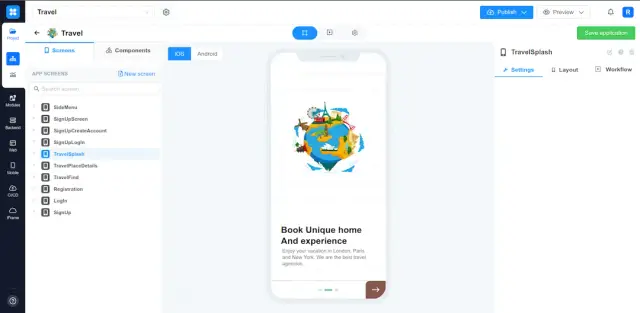
AppMaster.io is an excellent example of a powerful no-code tool that can help you train your workforce in citizen development skills. This platform provides an intuitive, visual environment for creating backend, web, and mobile applications, making it an ideal training tool for non-technical employees.
Here are some reasons why AppMaster.io stands out as a training platform:
Teaching citizen development skills effectively requires implementing a comprehensive training program that caters to employees' diverse backgrounds and experience levels. Here are some tips for creating a successful program:
By embracing no-code and low-code platforms as training tools and implementing a comprehensive training program, you can effectively upskill your workforce in citizen development skills. This will empower them to become an even more valuable asset to your organization, boosting innovation, collaboration, and overall productivity.
Training your workforce to become citizen developers is an investment of both time and resources. As such, it is essential to regularly measure the success of your training program and make improvements whenever necessary. To evaluate the effectiveness of your citizen development training, consider the following key performance indicators (KPIs):
In addition to continuously evaluating these KPIs, make sure to collect feedback from your employees, team leads, and other stakeholders. This feedback will help you identify any gaps in the training program and iterate on its content and delivery methods.
Moreover, building a culture that encourages continuous learning and development is crucial for the long-term success of your training efforts. Offer ongoing support and resources for your citizen developers to further hone their skills, and engage them in a community that shares best practices and experiences with their peers. Providing mentorship and networking opportunities can also help employees grow and develop in their newfound roles.
Teaching citizen development skills to your workforce carries numerous benefits both for your employees and organization as a whole. By nurturing citizen developers, your company can foster increased engagement, collaboration, and innovation while lowering development costs and reducing reliance on IT departments.
To ensure the success of your citizen development training program, implement a comprehensive curriculum that develops foundational skills, leverages no-code and low-code platforms like AppMaster.io, and instills a culture of continuous improvement and learning. Regularly measure your program's effectiveness using KPIs and adjust it based on employee feedback and evolving business needs. Empowering employees with the ability to create and deploy applications without the need for extensive programming knowledge can transform your organization and bring new levels of productivity and innovation to your business processes.
 What are citizen development skills?
Citizen development skills are the abilities to create, modify, and deploy applications without the need for extensive programming knowledge. These skills empower non-technical employees to take an active role in software development and innovation within a company.
What are the benefits of teaching citizen development skills?Teaching citizen development skills can lead to increased employee engagement, productivity, collaboration, and innovation. It helps empower employees to solve problems, reduces reliance on IT departments, and can result in more cost-effective and efficient software solutions.
How do I identify potential citizen developers in my organization?Look for employees who display a problem-solving mindset, show initiative, have a basic understanding of technology, and an eagerness to learn. Additionally, identify those who handle repetitive tasks and could benefit from automation or new software tools.
What foundational skills should citizen developers possess?Foundational skills for citizen developers include problem-solving, critical thinking, creativity, understanding basic programming concepts, data management, and communication skills.
How can no-code and low-code platforms support training?No-code and low-code platforms provide a user-friendly environment in which citizen developers can learn to create applications quickly and efficiently without requiring extensive programming knowledge. These platforms help build skills and confidence among non-technical employees to develop and deploy applications.
What are some key elements of a successful training program?A successful training program includes setting clear goals and objectives, using a blended learning approach, fostering a safe learning environment, mentoring and peer support, and continuous evaluation and improvement of the program.
How can I measure the success of the citizen development training?Measure success by monitoring the number of applications created by citizen developers, the time it takes for them to develop a project, employee engagement, and the impact of their solutions on business processes and overall productivity. Collect feedback from employees for continuous improvement.
What is the role of no-code platforms like AppMaster.io in citizen development?AppMaster.io is a powerful no-code platform that helps to train citizen developers by providing an intuitive, visual environment to create backend, web, and mobile applications. It empowers non-technical employees to become more involved in application development and promotes efficient, cost-effective software solutions.
Experiment with AppMaster with free plan.
When you will be ready you can choose the proper subscription.
 Jul 14, 20268 min
 Jul 13, 20268 min
 Jul 08, 20268 min