


 Jul 14, 2026
 8 min
8 minEquipment reservation app: prevent conflicts and track returns
Plan an equipment reservation app that prevents double bookings, records returns and damage, and places faulty items on maintenance hold.

Discover the pivotal role of ERP systems in revolutionizing e-commerce businesses, enhancing performance and efficiency. Learn the functions, benefits, and implementation process of ERP.

E-commerce changed how businesses sell, creating a need for efficiency in all operations. As online retail continues to grow, e-commerce businesses must stay competitive by automating processes and effectively managing resources.
ERP systems boost e-commerce efficiency by integrating crucial functions like orders, inventory, customers, and finances. This comprehensive integration facilitates communication and data sharing among departments, improving the efficiency of day-to-day tasks and decision-making processes. Such capabilities translate to reduced operational costs, better inventory management, and overall growth.
ERP solutions enable e-commerce businesses to stay competitive by adapting to market demands. A well-implemented ERP system fosters efficient communication and collaboration among employees and departments, allows businesses to scale effortlessly, and promotes customer satisfaction by providing a seamless shopping experience for the end consumer.
ERP systems are comprehensive software solutions designed to manage and optimize a company's various business processes and functions. They act as a central hub for data collection, processing, and analysis, and automate mundane tasks to enhance overall efficiency. An ERP system's components collaborate to provide a comprehensive view of a business's operations, offering insights and control over critical areas.
A typical ERP system comprises several modules, each tailored to handle specific business functions such as finance, HR, or inventory management. These modules are designed to interact seamlessly with one another, ensuring optimal data integrity and accessibility.
ERP systems can be on-premises solutions, installed on a company's internal servers, or cloud-based, hosted by a third-party provider. On-premises solutions offer control and customization, but cloud-based ERP systems are cost-effective and scalable, freeing organizations from infrastructure and maintenance concerns.
An effective ERP system for an e-commerce business requires modules that handle the unique demands of an online retail environment. Let's examine some of the common ERP modules tailored for e-commerce businesses:
Effective inventory management is critical to the success of e-commerce ventures. The Inventory Management module in an ERP system helps businesses track inventory levels, manage stock items, automate purchasing, and ensure timely product availability. This module also ensures optimal warehouse organization and accurate stock control, which can minimize stockouts, overstocks, and supply chain disruptions.
Efficient order processing is essential for e-commerce businesses to maintain customer satisfaction. With an Order Processing module, ERP systems automate the capturing, fulfillment, and tracking of customer orders. This module integrates with other ERP components, such as inventory management and finance, to ensure smooth order execution, timely delivery, and accurate invoicing.
E-commerce businesses require thorough financial management for accurate decision-making and fiscal responsibility. The Financial Management module in an ERP system consolidates transaction data, tracks expenses, and manages cash flows, allowing businesses to gain insights into their financial performance and make data-driven decisions. Functions such as accounts payable, accounts receivable, and general ledger are centralized, streamlining financial processes and compliance.
Maintaining good relationships with customers is vital for e-commerce businesses to retain clients, boost sales, and generate positive reviews. The CRM module in an ERP system centralizes customer data, order histories, preferences, communication logs, and support tickets, providing businesses with a 360-degree view of their customers. This comprehensive information enables businesses to make well-informed decisions about marketing strategies and customer support efforts.
With these critical ERP modules in place, e-commerce businesses can efficiently manage their operations, maintain data accuracy, make informed decisions, and provide a seamless shopping experience for their customers.
The implementation of an ERP system in an e-commerce business can bring a slew of benefits, streamlining operations, improving efficiency, and increasing profitability. Here are some key advantages:
Managing inventory is essential for e-commerce businesses, as it affects order fulfillment, customer satisfaction, and overall sales. ERP systems can help you optimize your inventory by providing real-time data on stock levels, tracking product movement, and reducing the risk of stockouts and overstocking.

Automating and integrating various business functions with an ERP system can streamline processes and reduce manual labor. This, in turn, decreases the risk of human error and increases productivity. With an ERP system in place, you can free up valuable resources for strategic growth and customer-centric activities.
ERP systems provide a central data repository, which allows you to gather accurate and consistent data across your organization. By offering better visibility into business performance, making data-driven decisions becomes easier and faster, leading to more informed decisions and improvements in areas such as pricing, marketing, and customer experience.
By centralizing and synchronizing customer information, ERP systems enable you to offer personalized experiences based on unique customer preferences, increasing the likelihood of repeat business. Moreover, streamlined inventory and order management ensure fewer delays and mistakes, leading to higher customer satisfaction levels.
As your e-commerce business grows, it's important that your operational systems can accommodate the increased demands. ERP systems are designed to scale with your business, allowing you to add new modules and functionalities as needed, ensuring your operations continue to run smoothly during expansion periods.
An ERP system can contribute to significant cost savings by automating manual processes, reducing the need for additional personnel, and optimizing inventory management. Through better resource allocation and eliminating inefficiencies, your e-commerce business can experience reduced overall operational costs.
While ERP systems come with many benefits, implementing them can pose certain challenges. Understanding these challenges can help you better prepare and plan for a successful transition. Here are some common challenges that e-commerce businesses face during ERP implementation:
A major challenge in ERP implementation is overcoming resistance to change within your organization. Employees may feel threatened by the new system or find it hard to adapt to new processes. To address this, it's essential to communicate the benefits of ERP and provide proper training to facilitate a smooth transition.
Implementing an ERP system can be a complex and time-consuming process that requires specialized knowledge and experience. If your organization lacks the necessary expertise, it may prolong the implementation process or result in misconfigurations. To counteract this, you can consider hiring external consultants or partnering with a trusted implementation partner.
Selecting the best ERP system for your e-commerce business can be daunting, as there are several options available, each with unique features and functionalities. It's important to conduct thorough research and consider factors such as cost, scalability, and customization to ensure the chosen system meets your business needs.
Inaccurate or inconsistent data can hinder the effectiveness of ERP implementation. Prior to beginning the implementation process, it is crucial to cleanse and standardize data to ensure a solid foundation for your new system. This can be an intensive process but is necessary for your ERP system to function optimally.
Integrating your new ERP system with existing e-commerce platforms or applications can be challenging, as it requires seamless synchronization and data exchange. A thorough assessment of your current systems and working with experienced integration partners can alleviate these issues and ensure a smooth transition.
Selecting the right ERP system is critical to achieving the desired benefits for your e-commerce business. Here are key steps to help you choose the best ERP solution:
Begin by assessing your current business processes, identifying pain points, and listing functional requirements. This allows you to develop a clear understanding of your organizational needs and establish criteria for selecting an ERP system.
Research the ERP market to identify possible solutions that cater to e-commerce businesses. Compare their features, pricing, scalability, and customization options to narrow down your choices.
An ERP system's usability directly impacts employee adoption and overall success. Prioritize systems that offer intuitive interfaces, easy-to-navigate dashboards, and clear documentation, as user-friendly design simplifies onboarding and training.
Choose an ERP system that can grow with your business and be optimized to adapt to changing needs. Consider whether the system supports the addition of new modules, has flexible architecture, and can easily integrate with other applications.
Consult with experienced professionals, such as ERP consultants, implementation partners, or other e-commerce businesses that have undergone ERP implementation. Their insights can help you make an informed decision based on practical, industry-specific experience.
By following these steps, you can select the ideal ERP system for your e-commerce business, enabling you to streamline operations, improve efficiency, and grow your business. As you embark on your ERP journey, consider leveraging no-code platforms like AppMaster to simplify the process and accelerate implementation without the need for extensive coding expertise.
Synchronizing your e-commerce and ERP systems is a critical step to achieve seamless data exchange, minimize human errors, and streamline operations. ERP integration with your e-commerce platform involves the connection of your online store to the backend ERP system, allowing for real-time data transfer between both systems. The result is a unified system that improves overall efficiency and makes managing an e-commerce business much easier. Here are some key aspects to consider when integrating your e-commerce and ERP systems:
No-code platforms play a significant role in facilitating the adoption of ERP systems, as they empower businesses to develop and deploy web, mobile, and backend applications without writing any code. No-code platforms like AppMaster.io allow organizations to create sophisticated e-commerce solutions that integrate with their existing ERP systems quickly and cost-effectively.
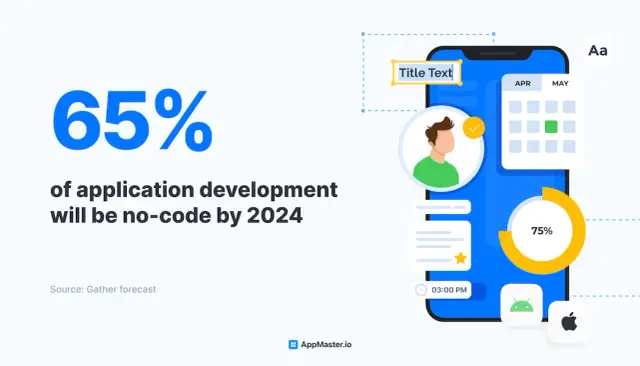
These platforms provide a range of features that enable organizations to design, develop, and deploy e-commerce solutions with minimal technical expertise, including:
Across various industries, e-commerce businesses have successfully transformed their operations, reduced costs, and achieved significant growth through the implementation of ERP systems. Here are some notable success stories:
These success stories highlight the transformative potential of ERP systems in e-commerce businesses. By integrating ERP with your e-commerce platform and leveraging the power of no-code platforms like AppMaster.io, you can achieve streamlined operations, cost savings, and growth in your e-commerce business.
 What is an ERP system?
An ERP (Enterprise Resource Planning) system is a software solution that integrates various business functions, such as inventory management, order processing, finance, and customer relationship management, to streamline operations, improve efficiency, and facilitate decision-making.
Why are ERP systems important for e-commerce businesses?ERP systems are important for e-commerce businesses because they help in automating processes, managing inventory, synchronizing customer data, and generating insights that enhance operational efficiency and customer satisfaction.
What are common ERP modules for e-commerce businesses?Common ERP modules for e-commerce businesses include inventory management, order processing, financial management, customer relationship management (CRM), and warehouse management.
What are the benefits of implementing ERP in e-commerce?Benefits of implementing ERP in e-commerce include improved efficiency, reduced operational costs, better inventory management, enhanced decision-making, greater customer satisfaction, and increased scalability.
What are some challenges faced during ERP implementation?Challenges faced during ERP implementation include resistance to change, lack of in-house expertise, choosing the right ERP system, data accuracy and consistency, and integration with existing systems.
How do I choose the best ERP system for my e-commerce business?To choose the best ERP system for your e-commerce business, evaluate your business needs, consider the available solutions, prioritize user-friendly design, examine adaptability and scalability, and seek expert advice.
How can no-code platforms help in ERP adoption?No-code platforms like AppMaster can simplify ERP adoption by enabling organizations to create web, mobile, and backend applications without the need to write code, making it easier and more cost-effective to integrate ERP systems into their existing operations.
What are some success stories of e-commerce businesses that implemented ERP systems?Success stories of e-commerce businesses that implemented ERP systems showcase improved operational efficiency, reduced costs, enhanced customer satisfaction, and increased scalability, leading to overall business growth.
Experiment with AppMaster with free plan.
When you will be ready you can choose the proper subscription.
 Jul 14, 20268 min
 Jul 13, 20268 min
 Jul 08, 20268 min