


 Jul 14, 2026
 8 min
8 minEquipment reservation app: prevent conflicts and track returns
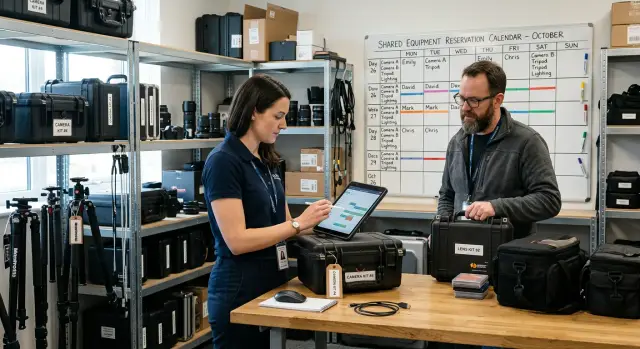
Plan an equipment reservation app that prevents double bookings, records returns and damage, and places faulty items on maintenance hold.

Discover top strategies for enhancing user experience in care management applications, and how AppMaster's no-code platform can enable efficient and simplified app development.
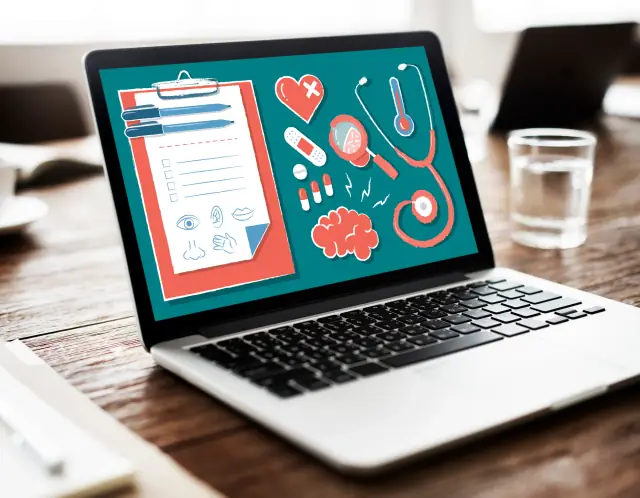
User Experience (UX) is a crucial factor in determining the effectiveness and success of care management applications. These applications are the central hub for healthcare providers, patients, and administrative staff, facilitating efficient communication, coordination, and decision-making. As the healthcare industry grows more complex and competitive, care management applications must provide seamless and enjoyable experiences that meet their users' unique needs and expectations. Implementing a well-designed UX in care management applications can lead to several benefits, which include:
To ensure an optimal UX in care management applications, it's important to adopt various strategies in the development process. Below, we outline several crucial strategies that will help to enhance the user experience.
The foundation of a great user experience starts with a deep understanding of the target users, their needs, and the context in which they'll be using the application. This includes researching and developing user personas, conducting interviews, and performing user testing to assess the application's usability throughout the development cycle.
It's essential to keep an open line of communication with users to gain insights and feedback that will drive the design and functionality of the application. This process will ensure that the application addresses users' pain points, streamlines their tasks, and caters to their preferences, contributing to a more satisfying user experience.

A personalized and adaptive interface enhances user experience in care management applications. By tailoring the interface to each user's preferences, needs, and constraints, you create an application that is efficient, enjoyable, and more likely to be adopted by care providers, patients, and administrative staff. To implement personalized and adaptive interfaces, make use of the following approaches:
Complex workflows and high cognitive load can hinder user adoption and satisfaction regarding care management applications. By simplifying workflows and reducing cognitive load, users can more easily navigate the application, increasing productivity and a better user experience. Consider the following strategies to simplify workflows and minimize cognitive load within your care management application:
Accessibility and inclusivity are critical aspects of good user experience design, as they ensure that a diverse range of users can efficiently interact with and benefit from your care management application. By considering the needs of users with disabilities, as well as those with different cultural or language backgrounds, you can create an application that is truly inclusive and maximizes its potential user base. To achieve accessibility and inclusivity in your care management application, consider the following guidelines:
By adopting these strategies, your care management application can deliver an enhanced user experience that caters to the unique needs of care providers, patients, and administrative staff, fostering user adoption and satisfaction.
Real-time feedback and user assistance are vital in enhancing the user experience of care management applications. They help users understand how to effectively use the software, address potential issues, and maintain a smooth workflow. Here are some strategies to provide real-time feedback and user assistance:
Offering immediate feedback on user inputs can significantly reduce friction and increase the usability of care management applications. Implement inline validation and display error messages to prompt users if there are issues with their input data. This allows users to correct errors as they enter information, rather than having to review and fix them after the fact.
Contextual help can guide users within different sections of the care management application. For instance, tool tips, onboarding guides, or brief explanations that appear as users interact with specific features can provide valuable assistance. These prompts give users quick access to help without disrupting their workflow, resulting in a more seamless and intuitive user experience.
Interactive tutorials and walkthroughs can guide users through complex processes within the application, especially for first-time users or when introducing new features. Step-by-step instructions, sample data, and visual cues can significantly improve the onboarding process and ensure users understand how to use the application effectively.
A responsive support system, such as live chat, help center, or support tickets, can quickly address users' questions and concerns. A dedicated support team to cater to user inquiries ensures that issues are resolved promptly, improving user satisfaction and trust in the application.
Incorporating modern technologies into your care management application can offer advanced capabilities, seamless integrations, and improved performance. Here are some key technologies to consider:
AI and machine learning can analyze user behavior and patterns, leading to personalized content, intelligent recommendations, and predictive analytics. These technologies can also help automate repetitive tasks, identify trends and risks, and provide decision support for care providers.
IoT devices can monitor patient health and gather relevant data for care providers in real-time. Integrating IoT devices with care management applications can enable remote monitoring, timely alerts, and advanced analytics, thus improving care coordination and patient outcomes.
Cloud-based care management applications can provide numerous benefits, such as faster deployment, cost-effective scaling, and enhanced data security. By leveraging cloud infrastructure, care management applications can effortlessly scale to support increasing users, data, and complex care processes.
APIs and third-party integrations are critical for seamless data exchange between various care management systems, Electronic Health Records (EHRs), and other external tools. Developing secure APIs can facilitate interoperability and enhance your care management application's usefulness and effectiveness.
To ensure that your care management application continues to deliver an excellent user experience, it is vital to commit to iterative improvement and continuous optimization. Here are some steps to achieve this:
User feedback is an invaluable resource for improving your care management application. Encourage users to provide feedback on their experiences - whether it's through surveys, in-app feedback forms, or direct communication. Analyze this feedback to identify areas for improvement and prioritize changes based on the potential impact on the user experience.
Collecting and analyzing usage data can provide insights into how users interact with the application, which features they use most, and any potential bottlenecks or issues. Utilizing analytics tools to monitor application performance can also help identify opportunities to optimize speed, responsiveness, and resource usage, leading to a better user experience.
Incorporate user testing into the development process to gather insights into the usability and effectiveness of your care management application. Conducting usability tests and iterative design cycles allows you to identify issues, validate solutions, and refine the application based on actual user feedback and experiences. This approach ensures that your application remains relevant and meets the evolving needs of care providers, patients, and staff.
Keeping up-to-date on industry best practices, design trends, and emerging technologies can help you maintain a cutting-edge care management application. Be proactive in implementing new ideas, testing new technologies, and adopting approaches that improve your care management solution's user experience and effectiveness.
Developing care management applications with an excellent user experience requires design expertise, a deep understanding of the user's needs, and the right development tools. AppMaster is a powerful no-code platform that can significantly help create care management applications, making the development process faster, more efficient, and cost-effective.
With AppMaster, developers can easily create backend, web, and mobile applications for care management through drag-and-drop interfaces and visual design tools. This platform offers numerous benefits that can assist developers in focusing on enhancing user experience:
Developers using the AppMaster platform can leverage its powerful features to create care management applications that prioritize user experience through efficient workflows, personalized interfaces, and advanced functionalities. This results in more effective care processes, better communication between care providers and patients, and higher user satisfaction.
Enhancing user experience in care management applications is essential for meeting the unique needs and expectations of care providers, patients, and administrative staff. By employing strategies such as understanding the user and their needs, implementing personalized and adaptive interfaces, simplifying workflows, ensuring accessibility, leveraging modern technologies, and continuously optimizing the application, developers can deliver an effective and delightful user experience.
Platforms like AppMaster can help developers create care management applications prioritizing user experience, with features supporting rapid development, flexibility, and scalability. By leveraging the power of no-code development and focusing on delivering an excellent user experience, care management applications can transform how care is provided, managed, and experienced.
 What is user experience (UX) in care management applications?
User experience (UX) in care management applications refers to the overall experience and satisfaction that users (such as care providers, patients, and administrative staff) have when interacting with the software solution, including its design, usability, and functionality.
Why is user experience important in care management applications?User experience is important in care management applications because it directly impacts user satisfaction, adoption, and the ability of the software to effectively support care processes and facilitate communication between providers, patients, and staff.
What are some strategies for enhancing user experience in care management applications?Strategies for enhancing user experience in care management applications include understanding the user and their needs, implementing personalized and adaptive interfaces, simplifying workflows, ensuring accessibility and inclusivity, providing real-time feedback, leveraging modern technologies, and continuously optimizing the application.
How does personalization and adaptiveness improve user experience?Personalization and adaptiveness help create an application that is tailored to each user's preferences, needs, and constraints, leading to a more efficient and enjoyable experience. This can include customized interfaces, relevant content, and intelligent recommendations based on user behavior and data.
What role does accessibility play in enhancing user experience?Accessibility is a critical aspect of user experience design as it ensures that a diverse range of users, including those with disabilities and other limitations, can efficiently interact with and benefit from the care management application, thus promoting inclusivity and maximizing the potential user base.
How can modern technologies help improve user experience?Modern technologies such as artificial intelligence, internet of things, and cloud computing can help enhance user experience by providing advanced features, real-time insights, seamless data integration, and scalability, resulting in a more powerful and responsive care management application.
What is iterative improvement and continuous optimization?Iterative improvement and continuous optimization refer to the ongoing process of refining the care management application design, features, and functionality based on user feedback, data analytics, and industry best practices, ensuring that the application remains relevant, effective, and delightful for users.
How can AppMaster help in developing care management applications?AppMaster is a no-code platform that enables rapid, cost-effective development of care management applications with powerful backend, web, and mobile capabilities. Its visual, drag-and-drop interface simplifies the creation of data models, workflows, and user interfaces, allowing developers to focus on enhancing user experience and meeting the unique needs of care providers, patients, and administrative staff.
Experiment with AppMaster with free plan.
When you will be ready you can choose the proper subscription.
 Jul 14, 20268 min
 Jul 13, 20268 min
 Jul 08, 20268 min