


 Jul 14, 2026
 8 min
8 minEquipment reservation app: prevent conflicts and track returns
Plan an equipment reservation app that prevents double bookings, records returns and damage, and places faulty items on maintenance hold.

This comprehensive guide will help non-technical founders navigate the world of tech buzzwords, explaining essential concepts related to software development, no-code/low-code platforms, and the tech industry.

With technology reshaping and disrupting industries worldwide, non-technical founders must navigate a sea of tech buzzwords to understand essential concepts related to software development and the tech industry. This comprehensive guide aims to clarify these terms and provide a solid understanding of the most important concepts in the tech environment. It will help demystify technical jargon and ensure you can make informed decisions about your business's technology strategy.
Software application development refers to the process of creating, designing, testing, deploying, and maintaining applications used for specific tasks. Applications can be built for different platforms, such as desktop, web, and mobile devices. Software development typically involves project management, requirements analysis, design, programming, testing, and deployment. There are several methodologies to manage the software development processes, such as Waterfall, Agile, and DevOps.
Programming languages are crucial to software development. They provide the foundation for developers to create applications. Popular programming languages include Java, Python, JavaScript, C++, and C#. Different languages are often suitable for varying tasks and technologies.
Frameworks are collections of code libraries and tools that simplify the development process by providing reusable components for specific programming languages. They reduce the amount of redundant code and accelerate the development process. Some popular frameworks are Angular, React, Django, and Ruby on Rails.
Databases store, manage, and organize all the data in an application. They are often categorized as relational databases (RDBMS), which store data in a structured format using tables, and NoSQL databases, which use different data organization structures like key-value pairs, documents, or graphs. Examples of popular databases are MySQL, PostgreSQL, MongoDB, and Redis.
No-code and low-code platforms are emerging alternatives to traditional software development, providing visual interfaces and templates that enable non-technical users to build applications rapidly. They are characterized by a drag-and-drop interface, built-in code generation, and accessible libraries, which enable fast prototyping, reduced dependency on developers, lower costs, and minimal technical debt.
No-code platforms are specifically designed for those without any prior programming knowledge. They allow non-technical users to create fully functional applications using a visual development environment. The platform handles the underlying code automatically. Some examples of no-code platforms include AppMaster, Bubble, and Adalo.
A great example of a no-code platform is AppMaster.io, a powerful no-code tool that empowers users to create backend, web, and mobile applications without any coding requirements. AppMaster offers excellent scalability and a wide range of features using visual BP Designers and drag-and-drop UI modules. As a result, the platform streamlines the application development process, making it more accessible and cost-effective for all users.
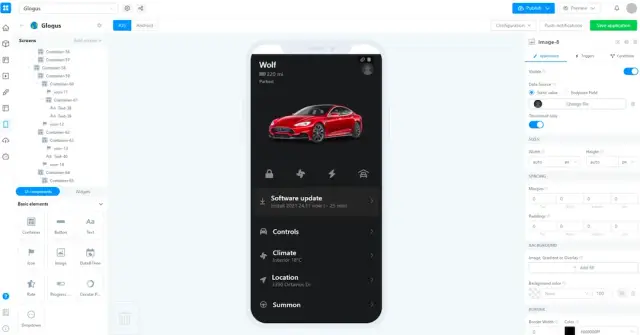
Low-code platforms are more suitable for users with some programming experience, balancing the ease of no-code with the flexibility to customize code when needed. These platforms provide a visual interface but also allow for custom code integration to tailor the application to specific business requirements. Examples of low-code platforms include OutSystems, Mendix, and Microsoft Power Apps.
Choosing between no-code and low-code platforms depends on the complexity of your project, your technical background, budget constraints, and the desired level of customization. Both options help streamline the development process, reduce costs, and bring products to market faster.
Understanding the differences between Software as a Service (SaaS), Platform as a Service (PaaS), and Infrastructure as a Service (IaaS) is crucial for non-technical founders as these concepts form the backbone of many modern software solutions.
SaaS refers to a software licensing and delivery model where applications are provided over the internet, rather than being installed on individual computers. SaaS providers manage the infrastructure, maintenance, and software updates, allowing customers to access and use the software via a web browser. This eliminates the need for users to worry about hardware and software installation and management. Examples of SaaS platforms include Salesforce for customer relationship management, Google Workspace as a business productivity suite, and Slack for team collaboration.
PaaS is a cloud-based environment that allows developers to build, deploy, and manage software applications. It provides tools and services to simplify the development process and eliminate the time-consuming tasks of provisioning and managing servers, databases, and networking. This enables developers to focus on writing code and designing features without worrying about infrastructure management. PaaS is particularly popular among startups and small to medium-sized businesses (SMBs) with limited resources for in-house IT teams. An example of a PaaS is AppMaster, a no-code platform that lets customers create backend, web, and mobile applications without the need for programming expertise.
IaaS provides virtual computing resources such as storage, servers, and networking components through the internet. This model allows businesses to scale resources up or down based on demand, without needing to invest in physical hardware. IaaS offers increased flexibility and cost-efficiency, especially for startups and SMBs that require the ability to adapt quickly to changes in their business environment. Examples of IaaS providers include Amazon Web Services (AWS), Microsoft Azure, and Google Cloud Platform.
Artificial Intelligence (AI), Machine Learning (ML), and Deep Learning (DL) are three interrelated concepts that are transforming the tech industry and the way applications are designed and built.
AI refers to the development of computer systems that can perform tasks traditionally requiring human intelligence, such as visual perception, speech recognition, decision-making, and natural language understanding. AI can be classified into two categories:
ML is a subset of AI involving the use of statistical techniques and algorithms to teach machines how to learn from data. ML models can recognize patterns, make predictions, and automatically improve their performance through exposure to more data and training. In essence, ML enables computers to carry out tasks without being explicitly programmed to perform those tasks. There are several types of machine learning, such as supervised learning (where the model is trained on labeled data), unsupervised learning (discovering patterns in unlabeled data), and reinforcement learning (learning optimal actions based on trial and error).
DL is a subfield of ML that focuses on artificial neural networks, particularly deep neural networks. These networks are inspired by the human brain and can process large amounts of data to make highly complex decisions, making deep learning particularly suited for tasks such as image and speech recognition, natural language processing, and autonomous driving systems. Deep learning requires a vast amount of training data and computational power, but its advancements have resulted in numerous innovative applications and a revolution in AI capabilities.
Non-technical founders should be aware of the concepts of Application Programming Interfaces (APIs) and microservices, as both play a crucial role in modern software development and the integration of various technology platforms.
APIs are sets of rules and protocols that enable different software applications to communicate and share data. APIs serve as a bridge between systems, software components, and services, allowing developers to access and interact with external data and functionalities without needing to recreate them from scratch. APIs promote the reuse of code, ensure platform independence, and streamline the process of integrating various software systems and services.
Microservices is an architectural style where a software system is divided into multiple small, loosely coupled, and independently deployable components. Each microservice is responsible for a specific function or domain within the application, operates independently, and communicates with others via well-defined interfaces. This approach offers several advantages over monolithic architectures, including:
Nonetheless, understanding the concepts of APIs and microservices is essential for non-technical founders looking to navigate the ever-changing industry of software development successfully.
In today's world of fast-paced digital transformation, businesses need to quickly adapt and deliver solutions that meet customer requirements effectively. To achieve this, they turn to development methodologies like Agile and DevOps, which emphasize continuous improvement, flexibility, and collaboration between development and operations teams.
Agile is a project management and product development approach that values flexibility, collaboration, and customer satisfaction. It emerged as an alternative to traditional waterfall methodologies, which required extensive planning and strict adherence to predefined project steps. The main goal of Agile is incremental and iterative development, with a focus on delivering working features frequently and adjusting the project plan based on customer feedback and changing requirements.
Some key principles of Agile methodologies include:
There are numerous Agile frameworks and methodologies, such as Scrum, Kanban, Extreme Programming (XP), and more. They may have differences in implementation, but they all follow the same guiding principles provided by the Agile Manifesto.
DevOps is a set of practices and a cultural shift in software development, which bridges the gap between development (Dev) and IT operations (Ops). The main goal of DevOps is to create an environment where teams can release new features, fixes, and updates quickly and reliably by enhancing communication, collaboration, and integration between development and operations teams.
Some key benefits of DevOps include:
DevOps involves various tools, practices, and philosophies, such as continuous integration, continuous delivery, infrastructure as code, and monitoring and logging. These components help streamline the software development lifecycle (SDLC), facilitating stable and rapid application releases.
Both Agile and DevOps play crucial roles in modern software development. While Agile focuses on customer-centric, flexible, and iterative development, DevOps emphasizes seamless collaboration between development and operations teams to shorten development cycles and improve efficiency. Together, Agile and DevOps enable businesses to rapidly deliver high-quality solutions that meet customer needs.
As the demand for computing resources continues to grow, businesses are increasingly looking for scalable, cost-effective, and reliable solutions. Two key technologies that have emerged to address this need are cloud computing and edge computing, each catering to different aspects of the modern computing sphere.
Cloud computing refers to the delivery of computing resources such as storage, processing power, databases, networking, and more, over the internet. These resources are provided on-demand, allowing users to scale their usage based on requirements without the need for maintaining physical hardware or data centers. Cloud computing offers several benefits, including cost savings, scalability, reliability, and easy access to advanced technologies and tools.

Edge computing is a computing model that processes and stores data closer to the source of the data rather than relying solely on centralized data centers. By doing so, edge computing can reduce latency, decrease bandwidth usage, and improve data privacy and security. This is particularly important for real-time applications, Internet of Things (IoT) devices, and other latency-sensitive systems where low latency and real-time data processing are vital for optimal performance.
Some key benefits of edge computing include:
Although cloud computing and edge computing may seem like competing technologies, they can actually complement each other in many use cases. Companies can leverage the benefits of both approaches, using cloud computing for tasks that require extensive processing power and storage capabilities, and edge computing for real-time processing and latency-sensitive applications.
As the volume and complexity of data generated by businesses, individuals, and devices grow at an unprecedented pace, extracting valuable insights from this data has become a critical factor for organizations' success. Big data and data science are two related fields that focus on tackling this challenge by transforming massive data sets into actionable intelligence.
Big data refers to large, diverse, and complex data sets that are challenging to process, store, analyze, and visualize using traditional data management tools and methodologies. These data sets can range from structured data, such as transactional databases and spreadsheets, to unstructured data, such as text, images, and videos. Big data is typically characterized by the three V's: Volume (size of the data), Velocity (speed at which data is generated), and Variety (different types of data).
Some key benefits of big data analysis include:
Data science is an interdisciplinary field that combines statistics, computer science, domain knowledge, and various other disciplines to extract insights and knowledge from big data. Data scientists use a combination of analytical, statistical, and programming techniques to discover hidden patterns, trends, and relationships within complex data sets, helping organizations make better-informed decisions, predict future outcomes, and uncover previously unknown opportunities.
Some key techniques used in data science include:
In conclusion, big data and data science are essential components of modern organizations' data strategies. By harnessing the power of big data and employing advanced data science techniques, businesses can gain valuable insights, improve decision-making, and drive innovation. This not only helps maximize the value of their data assets but also provides a competitive advantage in an increasingly data-driven world.
The Internet of Things (IoT) is a network of physical objects or "things" that are embedded with sensors, software, and other technologies to communicate and exchange data with other devices and systems over the internet. IoT devices can range from everyday household items, such as smart thermostats and appliances, to industrial machinery and vehicles. The primary goal of IoT is to create a more interconnected world and improve the overall efficiency of processes, systems, and services.
Smart cities utilize IoT technology to collect data and integrate it into the urban infrastructure, making cities more efficient, sustainable, and data-driven. This is achieved by embedding sensors and communication technologies into various aspects of a city's environment, including transportation, utilities, public services, and even daily life of its citizens. These devices collect and transmit data to central systems, which analyze the information, make data-driven decisions, and send commands back to the devices, making the city's overall systems and processes more efficient and responsive to the needs of its inhabitants.
Examples of IoT applications in smart cities include:
IoT technology is not without challenges, however. Security, privacy, and data management are major concerns that must be addressed as the number of connected devices grows exponentially. Additionally, the cost and complexity of deploying, integrating, and managing IoT systems can put a strain on city budgets and resources. Despite these challenges, IoT technology will continue to play a critical role in the development of smart cities and transforming urban life as we know it.
Augmented Reality (AR), Virtual Reality (VR), and Mixed Reality (MR) are three close but distinct technologies that change the way we perceive and interact with digital information and the physical world. They have the potential to revolutionize industries, including gaming, education, healthcare, and retail, by providing immersive and engaging experiences.
Augmented Reality (AR) superimposes digital content, such as images, text, or 3D models, onto the user's view of the real world. This can be achieved using smartphones, tablets, or AR-specific headsets like Microsoft HoloLens. AR applications can offer additional information, such as navigation instructions on a map or product details in a retail store, and enable more interactive experiences, such as gaming or design visualization.
Virtual Reality (VR) immerses users in a fully digital environment, cutting off their connection to the physical world. VR headsets, such as the Oculus Rift or HTC Vive, use sensors and positional tracking to detect user movement, delivering a sense of presence and allowing for natural interaction within the virtual space. VR can be used for training simulations, virtual tours, entertainment, and social interactions.

Mixed Reality (MR) combines the best of both AR and VR to create a blended experience where digital content and the real world interact with each other. MR devices, like the Magic Leap One, allow users to see and manipulate holographic content in their physical surroundings, opening up possibilities for more natural interactions and immersive experiences. MR can be applied in various scenarios, such as remote collaboration, medical training, and product design.
As AR, VR, and MR technologies continue to evolve and become more accessible, they have the potential to reshape the way we interact with technology and the world around us. Additionally, no-code platforms like AppMaster can potentially facilitate and expedite the development of AR, VR, and MR applications, making these immersive experiences more accessible to both developers and end users.
Blockchain is a decentralized, transparent, and tamper-proof digital ledger used to record transactions. It consists of a growing list of data blocks, each containing a set of transactions. These blocks are linked using cryptography, ensuring that every new addition or modification to the ledger requires a consensus among the network's participants. This makes blockchains highly secure and resistant to fraud and cyber-attacks.
Some typical use cases for blockchain technology include:
Cryptocurrency is a digital or virtual currency that uses cryptography for secure transactions and control of new unit creation. The most well-known cryptocurrency is Bitcoin, which was the first to use blockchain technology. Cryptocurrencies use decentralized control as opposed to centralized digital currency and central banking systems, which makes them an alternative to traditional financial systems. They rely on peer-to-peer networks, in which users can send and receive funds directly without the need for an intermediary like a bank or financial institution.
Despite the potential benefits of blockchain technology and cryptocurrencies, their adoption is still hindered by several factors, such as regulatory uncertainty, scalability and performance issues, security concerns, and a lack of user awareness and trust. However, as the technology matures and an increasing number of industries and organizations recognize its potential, it's expected that blockchain and cryptocurrencies will have a more significant impact on the way we conduct business and financial transactions.
In the context of no-code and low-code platforms, blockchain integration can further enhance the security and trustworthiness of applications developed using such platforms. AppMaster, for example, could potentially introduce features that allow users to integrate blockchain technology with their applications, opening up a world of new possibilities for creating secure, transparent, and decentralized apps.
As a non-tech founder, understanding the various tech buzzwords and their implications can seem daunting. However, familiarizing yourself with these concepts is crucial to making informed decisions for your business and communicating effectively with your technical team.
By learning and comprehending the ideas outlined in this guide, you'll be better equipped to navigate the complex tech industry. Remember that no-code and low-code platforms like AppMaster are powerful tools that can help non-technical entrepreneurs bridge the gap between idea and implementation, speeding up development and reducing costs.
Embracing new technologies and trends, such as AI, big data, IoT, and cloud computing, can drive innovation and make your business more competitive and resilient in the digital era. As you explore these areas, it's essential to stay up-to-date with industry news and ongoing developments to remain agile in a rapidly evolving field.
Deciphering tech buzzwords and their related concepts is a valuable skill that can empower non-technical founders to better navigate the industry, collaborate with their teams, and make informed decisions about their businesses. By continuing to develop your understanding of the technology sphere, you'll enhance your ability to adapt to change and ensure the long-term success of your venture.
 What are tech buzzwords, and why are they important to understand?
Tech buzzwords refer to popular or trendy terms used in the technology industry. Understanding these buzzwords is important for non-tech founders as it enables effective communication with technical teams, aids in making informed decisions about technology adoption, and ensures a basic understanding of industry trends and advancements.
How can non-tech founders keep up with ever-changing tech buzzwords?Keeping up with tech buzzwords can seem overwhelming, but there are strategies to stay informed. Engage in industry publications, blogs, and podcasts that simplify complex concepts. Follow thought leaders and experts on social media platforms for regular updates. Attend technology conferences or webinars to gain exposure to new trends.
How can non-tech founders bridge the communication gap with technical teams?Bridging the communication gap requires proactive efforts. Ask your technical team to explain concepts in non-technical language. Encourage open dialogue and seek clarification whenever necessary. Invest time in self-education to understand the basics of relevant technologies. Consider involving a technology consultant or advisor who can translate technical concepts into business terms.
How can non-tech founders evaluate technology solutions without getting overwhelmed by buzzwords?When evaluating technology solutions, start by clearly defining your business needs and goals. Look for solutions that align with your specific requirements. Seek recommendations from trusted sources, read reviews, and request demonstrations or trials.
Can non-tech founders leverage a no-code platform like AppMaster to overcome technical challenges?Absolutely! No-code platforms like AppMaster are designed specifically for non-technical founders and entrepreneurs. AppMaster empowers users to build applications without the need for coding skills or extensive technical knowledge. Its intuitive drag-and-drop interface and pre-built components make it accessible and user-friendly.
How does AppMaster support non-tech founders in maintaining and updating their applications?With AppMaster, non-tech founders can easily make changes and updates to their apps without relying on external developers. The platform provides a user-friendly interface for managing app content, updating designs, and adding new features. Additionally, AppMaster often offers built-in hosting and deployment options, allowing non-tech founders to publish their applications directly to app stores or web servers with minimal technical hurdles.
Experiment with AppMaster with free plan.
When you will be ready you can choose the proper subscription.
 Jul 14, 20268 min
 Jul 13, 20268 min
 Jul 08, 20268 min