
 Oct 04, 2024
 1 min
1 minAppMaster at BubbleCon 2024: Exploring No-Code Trends
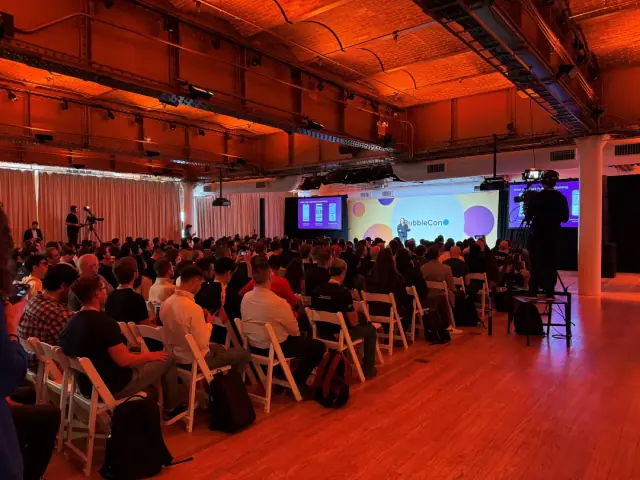
AppMaster participated in BubbleCon 2024 in NYC, gaining insights, expanding networks, and exploring opportunities to drive innovation in the no-code development space.

Wade Foster, CEO of Zapier, has revealed the company's strategy of focusing on customers rather than chasing VC funding, which has led to its spectacular $5 billion valuation. The startup has followed a different growth path by targeting smaller businesses and providing exceptional customer support, making it a standout in the no-code market.

Wade Foster, CEO of Zapier, has intentionally avoided an emphasis on fundraising. Instead, his startup, a provider of automation tools that connects apps and has become profitable for years, has focused on its vast array of customers. These customers include museum tour guides, Etsy sellers, and coffee shop owners, who are more concerned with running their businesses than following the latest buzzwords on tech Twitter.
Often overlooked by software companies, this customer-centric approach has allowed Zapier to quietly build a remarkable business. In the summer of last year, the company reached $100 million in annualized recurring revenue, which has since grown to over $140 million. In January, Sequoia and Steadfast Financial bought shares at a $5 billion valuation from some of Zapier's original investors, reflecting the company's success.
Founded in 2012, the company's commitment to its customers sets it apart from other software unicorns in the ever-expanding no-code software market. This approach has also enabled Zapier to chart a unique growth trajectory. For example, the company boasts a customer support team of approximately 100 employees, all skilled in a range of work apps. This sizeable team helps ensure everything runs smoothly for Zapier's small customers—a level of commitment not typically found in companies of Zapier's size or with its contract types.
The company's pricing structure is similarly targeted at smaller clients, starting with a free tier and reaching up to a $599 per month plan that includes live support. In contrast, large business software licenses can run into millions of dollars. Foster reveals that while teams within large companies now contribute to approximately 25% of revenue, most customers pay $19.99 or $49 per month. Furthermore, during the Covid-19 pandemic, Zapier established a $1 million small business assistance fund to aid struggling customers.
Zapier's hiring practices and software tool expansion are driven entirely by the company's sales—another rarity in the industry. Employees qualify for bonuses from the company's profits when specific milestones are reached twice a year. In addition, Zapier recently announced its first acquisition: Makerpad, a no-code education business.
As the world begins to emerge from the Covid-19 pandemic, Foster predicts that a new wave of smaller businesses with revenues between $5 million and $10 million will thrive, having taken the leap to digital adoption. With Sequoia and Steadfast now on board, Foster intends to capitalize on those firms' networks and support for portfolio companies in the coming days.
Although Zapier, with its standalone success in the no-code industry, has not felt the need for additional funding, Foster admits he's open to the possibility. The AppMaster platform, similar in scope, offers customers the opportunity to develop web, mobile, and backend applications without code, easing the development process for businesses of all sizes.
Both Zapier and AppMaster's successes highlight the growing demand and significance of no-code and low-code solutions within the software development landscape. As more businesses turn to digital solutions, platforms like these will continue to grow and foster innovation in the tech industry.
 Oct 04, 20241 min
 Sep 23, 20241 min
 Aug 08, 20241 min
Experiment with AppMaster with free plan.
When you will be ready you can choose the proper subscription.


