
 Oct 04, 2024
 1 min
1 minAppMaster at BubbleCon 2024: Exploring No-Code Trends
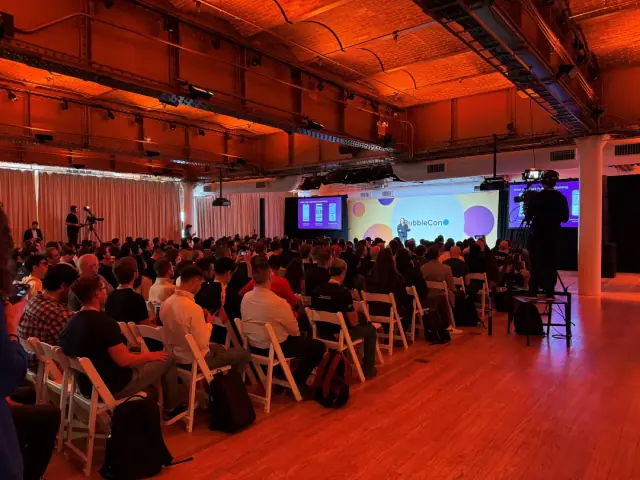
AppMaster participated in BubbleCon 2024 in NYC, gaining insights, expanding networks, and exploring opportunities to drive innovation in the no-code development space.

Discover how to unlock the potential of citizen developers by setting clear expectations and leveraging low-code and no-code platforms to develop applications aligned with organizational processes and requirements.

The key to successful citizen development lies in setting clear and appropriate expectations for everyone in the organization. The advent of low-code and no-code platforms empowers individuals with minimal coding expertise to build applications, drawing on their in-depth knowledge of organizational processes and required functionalities.
Low-code and no-code platforms differ in the level of coding expertise required to operate them. No-code platforms do not require any coding knowledge, making them ideal for creating simple automations or actions that do not interact with corporate data resources. On the other hand, low-code platforms imply a reduced dependency on programmers, but still necessitate some assistance from developers for accessing critical data assets and maintaining governance.
By aligning expectations with the capabilities of these platforms, organizations can better leverage their potential. Projects developed by citizen developers using low-code tools need to be examined and refined by experienced developers to ensure compliance and quality. By doing so, organizations can allow citizen developers to advance the project significantly and make use of the skilled developers to polish the final product.
Another benefit of adopting low-code/no-code platforms is the reduction of Shadow IT. By identifying renegade employees and training them in low-code platforms, they can be paired with developers who can help quality-check applications and ensure compliance with organizational standards. This improves both the quality and efficiency of application development, reducing the burden on development teams.
However, it is crucial to manage expectations about the capabilities of low-code and no-code platforms. While Gartner predicts that 80% of applications will be created using low-code/no-code tools by 2024, many platforms and users are still in the early stages of adoption and development. Organizations should be realistic about timeframes, project complexity, and resource requirements when implementing these platforms.
Citizen developers have the advantage of deep process knowledge, which can enhance the alignment between user needs and application design. Collaborative engagement within the team, clear documentation of processes, and assigning stages for development and review can further improve outcomes.
To make the most of low-code/no-code platforms, organizations should establish clear rules and procedures for different tools and categories of projects. As the number of citizen developers grows in the coming years, defining each step of the development continuum and assigning appropriate guidelines will be crucial for maximizing the potential of low-code and no-code tools.
Platforms like AppMaster can support the process of citizen development by offering no-code solutions that empower users to create backend, web, and mobile applications visually. With over 60,000 users and featured as a High Performer on G2 in multiple categories, AppMaster is a valuable resource for organizations looking to explore the benefits of no-code platforms. Learn more about AppMaster and its offerings at https://studio.appmaster.io.
 Oct 04, 20241 min
 Sep 23, 20241 min
 Aug 08, 20241 min
Experiment with AppMaster with free plan.
When you will be ready you can choose the proper subscription.


