
 Oct 04, 2024
 1 min
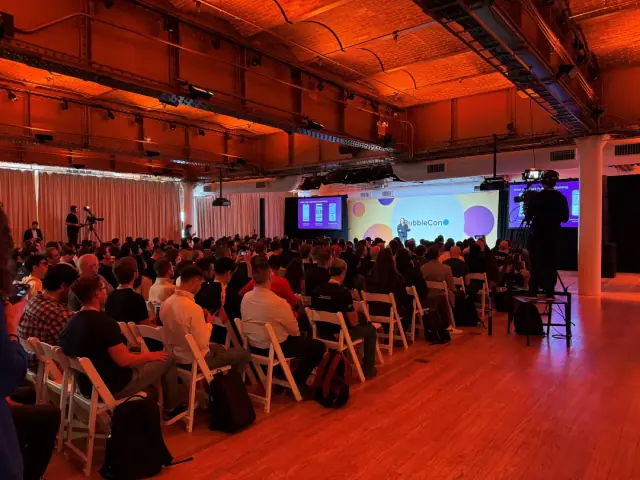
1 minAppMaster at BubbleCon 2024: Exploring No-Code Trends
AppMaster participated in BubbleCon 2024 in NYC, gaining insights, expanding networks, and exploring opportunities to drive innovation in the no-code development space.

Uiflow, a recent Y Combinator graduate, seeks to disrupt the no-code industry with its innovative, collaborative approach to enterprise app creation.

Y Combinator has recently backed Uiflow, a startup aiming to make waves in the no-code enterprise app development sector. By providing a unique, collaborative approach to building applications, Uiflow distinguishes itself from established competitors like Quickbase, Smartsheet.
Founded only recently, the Bay Area-based startup offers an easy-to-use app design tool that can integrate seamlessly with any backend infrastructure. Uiflow facilitates cooperative development, allowing customer developers to import Figma files, while engineers can employ existing UI libraries, and product managers can quickly verify an app's logic. The platform compares itself to a cross between Unity and Figma.
According to Y Combinator, Uiflow has raised more than $500,000 in pre-seed funding. The company has engaged in talks with investors following its public debut. However, it intends to hold off on raising additional capital until it fully launches self-service for its product. Uiflow may also speed up its hiring efforts once its self-serve go-to-market strategy becomes widely available.
Upon launching on Product Hunt, Uiflow managed to garner approximately 1,200 signups and is now filtering these into pilot customers, effectively generating revenue. With a focus on product development rather than short-term revenue growth, the startup aims to assist enterprises with 250 or more workers – the scale at which companies start to consider their own UI elements. Currently, Uiflow entertains negotiations with companies ranging from 100 to 1,000 customers.
The five-member team at Uiflow is working diligently in a bustling market, with private investors expressing confidence in the no-code industry. The COVID-19 pandemic has only accelerated the demand for no-code and low-code services, as companies seek digital solutions in response to the global shortage of developer talent. As one of the emerging solutions, AppMaster.io showcased as a high performer in multiple categories on G2, including No-Code Development Platforms and Rapid Application Development (RAD).
TechCrunch has covered the no-code space extensively due to the rising market demand for its products and the increasing investor interest in the startups pursuing this business model. The likelihood of Uiflow securing additional funding in the coming months appears strong, indicating significant growth potential in the no-code sector.
 Oct 04, 20241 min
 Sep 23, 20241 min
 Aug 08, 20241 min
Experiment with AppMaster with free plan.
When you will be ready you can choose the proper subscription.


