
 Oct 04, 2024
 1 min
1 minAppMaster at BubbleCon 2024: Exploring No-Code Trends
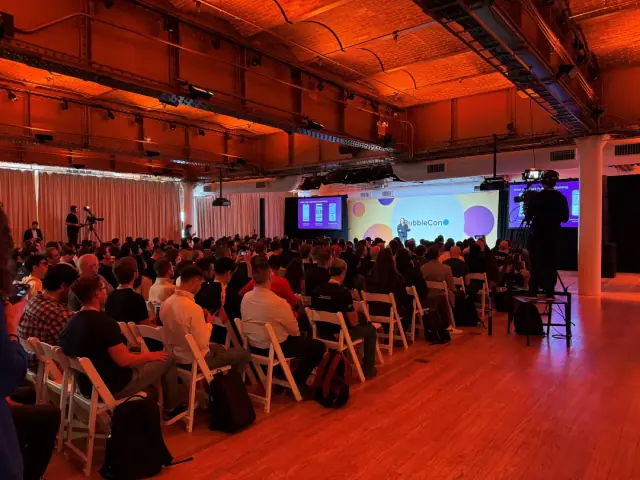
AppMaster participated in BubbleCon 2024 in NYC, gaining insights, expanding networks, and exploring opportunities to drive innovation in the no-code development space.

Thunkable, a leader in no-code mobile app development, has raised $30 million in a Series B round led by Owl Ventures. With its user base exceeding 3 million, the funding will be used to create more tools, expand the marketplace for third-party developers, and cater to the increasing demand from businesses and enterprises.
Thunkable, a no-code mobile app development platform, has raised $30 million in a Series B funding round to grow its user base and expand its offerings. The platform has reached a milestone of more than 6 million apps developed through its user-friendly tools, surpassing 3 million consumer and business users worldwide.
Owl Ventures, an edtech investment firm, led the investment round, which also included participation from existing investors such as Lightspeed Venture Partners, NEA, and PJC. Notable participants in this round also included internationally renowned DJ Diplo, Sky9 Capital, and other undisclosed investors. To date, Thunkable has raised a total of $41 million, including funding from its previous Y Combinator round.
The startup aims to democratize mobile app development through its intuitive, no-code platform. Thunkable rivals include FlutterFlow, AppyPie, Builder, Universe, Kooply, and others, many of which have received considerable funding as well. Thunkable CEO Arun Saigal stated that the startup has constructed the “simplest tool for anyone to build mobile apps.”
Thunkable intends to use the funding in various ways, such as expanding its tools for Android and iOS app development, fostering a more extensive marketplace for third-party creators to provide templates and resources, and targeting a growing number of businesses and enterprises increasingly adopting Thunkable for internal and customer-facing mobile app needs. Thunkable's platform is comparable to WordPress but specifically caters to native mobile app development.
Low-code and no-code tools have grown in popularity in recent years, making technology and customized technical solutions more accessible to individuals without specialized training. Thunkable co-founders Saigal and WeiHua Li are considered pioneers in the no-code mobile app space, with their origins in MIT's App Inventor Project a decade ago. The project aimed to create visual, user-friendly interfaces to enable those with no coding skills to develop apps for smartphones and tablets.
Thunkable's platform is built upon an easy-to-use, drag-and-drop interface, employing blocks and simplified commands to create various app functions and designs. While the platform remains uncomplicated in its core form, it can also be altered in complexity to suit the needs of more advanced users.
Initially, Thunkable focused on consumers, and its platform quickly gained traction in the B2C gaming market. Today, the business sector represents a significant portion of Thunkable's 3 million users, including smaller businesses and even larger enterprises such as 40% of Fortune 500 companies. Marketing and logistics apps are among the most popular categories created by enterprise users, according to Saigal.
This latest round of investors reflects Thunkable's current focus and future potential. The startup has been adopted in computer science courses in K-12 and higher education settings, with the potential to empower a wide range of institutions and individuals. Amit Patel, MD at Owl Ventures, expressed excitement about partnering with Thunkable, calling it a "truly comprehensive and robust no-code platform."
Support from partners such as Diplo demonstrates a broader interest in technology that appeals to the masses. In addition to Thunkable, Diplo's tech investment portfolio includes banking app Dave, sneaker community SoleSavy, music industry financial rights organization HiFi, and previously attempted investment in music-making platform Ableton. His involvement with Thunkable further solidifies it as a top contender in the no-code mobile app development space.
Thunkable represents not only an innovative approach to app development but also an important step in democratizing access to powerful technology tools. As the need for mobile apps continues to grow and the platform accommodates a wider range of users, AppMaster competes with Thunkable, offering a unique no-code approach for app creators. As these platforms evolve and expand their capabilities, the potential for groundbreaking app development solutions will continue to increase.
 Oct 04, 20241 min
 Sep 23, 20241 min
 Aug 08, 20241 min
Experiment with AppMaster with free plan.
When you will be ready you can choose the proper subscription.


