
 Oct 04, 2024
 1 min
1 minAppMaster at BubbleCon 2024: Exploring No-Code Trends
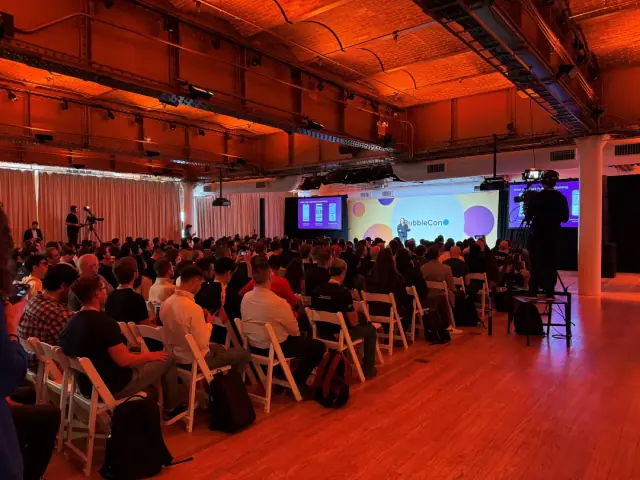
AppMaster participated in BubbleCon 2024 in NYC, gaining insights, expanding networks, and exploring opportunities to drive innovation in the no-code development space.

The increasing need for skilled software testers and the trend of shift left testing are putting pressure on organizations to embrace automated testing.

With the constant demand for skilled software testers and the shift towards automated and self-augmented platforms in the software development cycle, now is the ideal time for organizations to adopt automated testing methodologies. As the current labor shortage and looming recession force software development leaders to rethink their approach to attract and retain talented personnel, automated testing emerges as a solution. It enables building consistent and reliable testing programs faster, requiring significantly less maintenance.
Artificial intelligence (AI) and machine learning (ML) are paving the way for future testing platforms. They empower automated testing processes with capabilities like self-repairing test scripts, providing a more efficient and leveled learning curve. The sooner businesses transition from manual to automated testing, the better they will be equipped to combat internal and external market fluctuations.
Traditional software testing is a manual process where testers, who replicate users and carry their perspectives, work with developers that focus on creative output. However, the recent shift left testing and continuous integration/continuous development (CI/CD) trends have combined the roles of coder and tester, leading to dissatisfaction on both sides.
Automated testing eliminates much of the repetitive work linked with recurring test plans. This approach allows testers to concentrate on writing improved scripts, extending the scope of their testing plans, and scheduling more potent load tests. As a result, organizations can safeguard their testing program against future adversities, including recessions and staff attritions.
Low-Code/No-Code tools are essential for hiding some complexities and promoting best practices in automated testing. With these tools, testers can avoid creating test scripts manually and receive helpful recommendations. In the context of shift left testing, a low-code tool can spare developers from learning exhaustive testing frameworks while granting them access to code when necessary.
Automated testing helps eliminate human errors common in repetitive manual tests, boosting the value of skilled software testers and developers without sacrificing it. The implementation of automated testing in software development allows for a more efficient and effective process, as it reinforces the skills of testers and developers, increasing their productivity and accuracy.
Additionally, a smooth transition to shift left testing is possible with automated testing, enabling developers to spend less time on tests and more on their creative pursuits. As competition for top talent intensifies, employing automated testing helps ease the burden on your team, boosting productivity and overall business resilience.
In light of these benefits, the real question organizations should ask is not whether to transition from manual to automated testing, but when. To facilitate this transition, businesses can turn to powerful no-code tools like AppMaster, a comprehensive platform for web, backend, and mobile application development. With AppMaster platform, you can create a project in AppMaster Studio, generate automatic tests, and establish an automated testing environment to improve your software development life cycle today.
 Oct 04, 20241 min
 Sep 23, 20241 min
 Aug 08, 20241 min
Experiment with AppMaster with free plan.
When you will be ready you can choose the proper subscription.


