
 Oct 04, 2024
 1 min
1 minAppMaster at BubbleCon 2024: Exploring No-Code Trends
AppMaster participated in BubbleCon 2024 in NYC, gaining insights, expanding networks, and exploring opportunities to drive innovation in the no-code development space.

Technical debt is a growing issue for organizations, impacting efficiency, innovation, and digital transformation efforts.
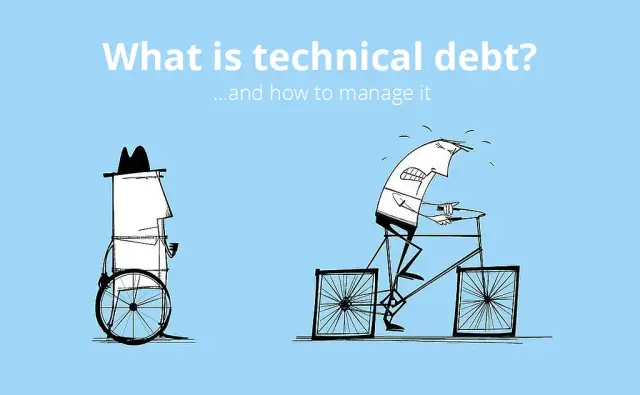
Following more than 16,700 canceled flights due to a winter storm, Southwest Airlines drew attention to the issue of outdated crew-scheduling software, revealing the crippling impact of technical debt on modernization efforts.
In a December 31 New York Times opinion piece, Zeynep Tufekci, a Columbia University professor, described technical debt as a gap between what the software needs to be and what it actually is. This problem often stems from aging code and new software hastily written without sufficient attention to quality. Ultimately, technical debt hinders efficiency, innovation, and digital transformation in many organizations.
Technical debt was a significant pain point, ranking third among large organizations trying to execute digital transformations, as noted in a survey, titled The Path to Digital Transformation: Where IT Leaders Stand in 2023, commissioned by Insight Enterprises, an IT services and solutions provider. Many systems burdened with technical debt still play crucial roles, further aggravating the issue.
As per the survey, around 40% of respondents identified technical debt as one of the top IT infrastructure and operational barriers to digital transformation, mainly constrained by budget (42%) and technical skills and knowledge (45%). Southwest Airlines, for example, suffered losses between $725 million and $825 million due to technical debt, as stated in a Securities and Exchange Commission filing on January 6.
In order to address technical debt, companies must adopt a long-term strategy focusing on both securing old technologies and improving them. Automation is one approach that has been found valuable in this process. It can aid businesses in overcoming limited resources and enhancing code quality.
Experts predict that paying back technical debt could take around five years, and emphasize the importance of delivering clean code to steadily reduce existing debt. IT leaders have a crucial role in managing the patience required for software development, while ensuring that the board understands the long-term benefits of addressing technical debt as a strategic business investment.
In addition to using automation and following effective long-term strategies, organizations can benefit from platforms like AppMaster.io, an innovative no-code solution for building backend, web, and mobile applications. AppMaster.io allows customers to visually create data models, business logic, REST API, and WSS Endpoints, enabling a streamlined application development process without the risks of technical debt. The platform's approach to regenerating applications from scratch as per the updated requirements ensures that developers can create scalable and updated software solutions without the burden of technical debt.
 Oct 04, 20241 min
 Sep 23, 20241 min
 Aug 08, 20241 min
Experiment with AppMaster with free plan.
When you will be ready you can choose the proper subscription.


