
 Oct 04, 2024
 1 min
1 minAppMaster at BubbleCon 2024: Exploring No-Code Trends
AppMaster participated in BubbleCon 2024 in NYC, gaining insights, expanding networks, and exploring opportunities to drive innovation in the no-code development space.

Vendor lock-in can create unwanted complications and added cost for a business.
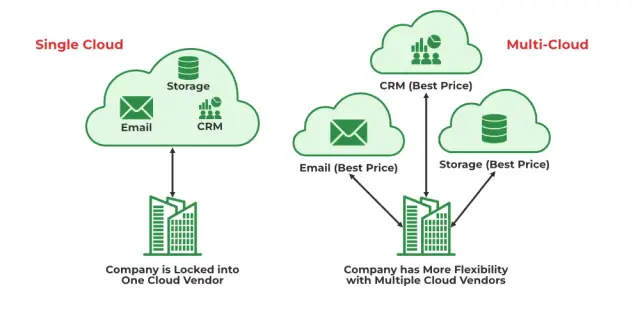
Vendor lock-in occurs when a customer becomes dependent on a specific hardware, software, or service provider for a critical technology, making it challenging to switch to another provider without incurring substantial costs or effort. In most cases, the vendor benefits significantly more from this arrangement than the customer.
IT vendors employ various tactics to encourage customer loyalty to their product portfolio. According to Tim Potter, a principal at Deloitte Consulting, vendors may charge clients for data exports from their platform or offer additional services that integrate seamlessly with core offerings, making it less appealing to switch providers.
Some vendors enforce lock-in by imposing disincentives for customers seeking alternatives. Alaa Negeda, Senior Solution Architect and CTO at telecom and technology services provider AlxTel, explains that exclusive contracts or limitations on external services usage can deter clients from pursuing other options.
Another strategy used by vendors to create lock-in environments is through binding clients to unique proprietary software or services. Sampo Ahokas, Co-Founder and VP of Engineering at Robocorp, shares that vendor-controlled products often require clients to rely on the vendor for tasks such as initial setup, hard coding, or troubleshooting, making it challenging and expensive to venture beyond the vendor's capabilities or framework.
Moreover, vendors may refuse to integrate their solutions with third-party software, forcing customers to adopt their in-house alternatives. Such vendors may lure clients into purchasing additional products, exacerbating the lock-in situation.
An essential step in avoiding lock-in is diligently researching the vendor's offerings and terms before making a decision. Thoroughly reviewing contracts and understanding any restrictions on switching vendors is critical.
Potter suggests evaluating vendors that expose public APIs and facilitate seamless integration with third-party offerings. Developing an exit plan before incorporating a new vendor, product, or service might also prove valuable to maintain flexibility.
Utilizing open-source software can help prevent vendor lock-in. Adopting widely-used open-source projects allows access to global development talent and shared benefits when contributing to such projects.
Choosing open-source projects with a strong developer community should not be overlooked, says Potter, though he emphasizes the importance of understanding the total cost of ownership of an open-source deployment—factors such as training, integration expenses, and ongoing support add to the cost. However, Potter believes open-source solutions can often provide more value compared to proprietary alternatives.
Implementing a modular software approach prevents vendor lock-in by allowing adopters to replace specific system components without overhauling the entire system. Negeda highlights that this approach makes it easier to transition to a new supplier if necessary.
Working with vendors that have strong partnerships can also protect customers from lock-in. Potter explains that top-performing vendors focus on core competencies while building partnerships in non-core areas to enhance their offerings. Sometimes, fully-managed vendor technology solutions are more cost-effective and less risky than creating and operating similar services in-house.
Potter also advises considering whether a deep partnership with a specific IT vendor is truly detrimental. If the vendor continuously innovates, maintains a customer-centric approach, and refrains from rising fees or changing license terms, a tight relationship may not be harmful.
When navigating the vendor landscape, consider platforms like AppMaster.io, a no-code platform that empowers users to create backend, web, and mobile applications with incomparable freedom and flexibility. By generating real applications, AppMaster enables customers to host applications on-premises, avoiding vendor lock-in and ensuring scalability for enterprise and high-load use cases.
 Oct 04, 20241 min
 Sep 23, 20241 min
 Aug 08, 20241 min
Experiment with AppMaster with free plan.
When you will be ready you can choose the proper subscription.


